EN
EN


Hat Patches: Types, Strengths, and Best Uses for Trucker Hats
Embroidered patches: premium durability and crisp brand logo reproduction
Embroidered hat patches deliver unmatched durability through tightly stitched thread construction that resists fraying and maintains dimensional stability across repeated wear and washing. Their raised texture conveys tactile prestige—making them ideal for corporate branding where longevity and professional appearance are priorities. This method excels at reproducing bold, high-contrast logos with sharp color separation, especially geometric shapes or clean typography. For complex logos, simplify gradients and fine details to preserve legibility at small scales.
Woven, PVC, and sublimated patches: balancing detail, texture, and weather resistance
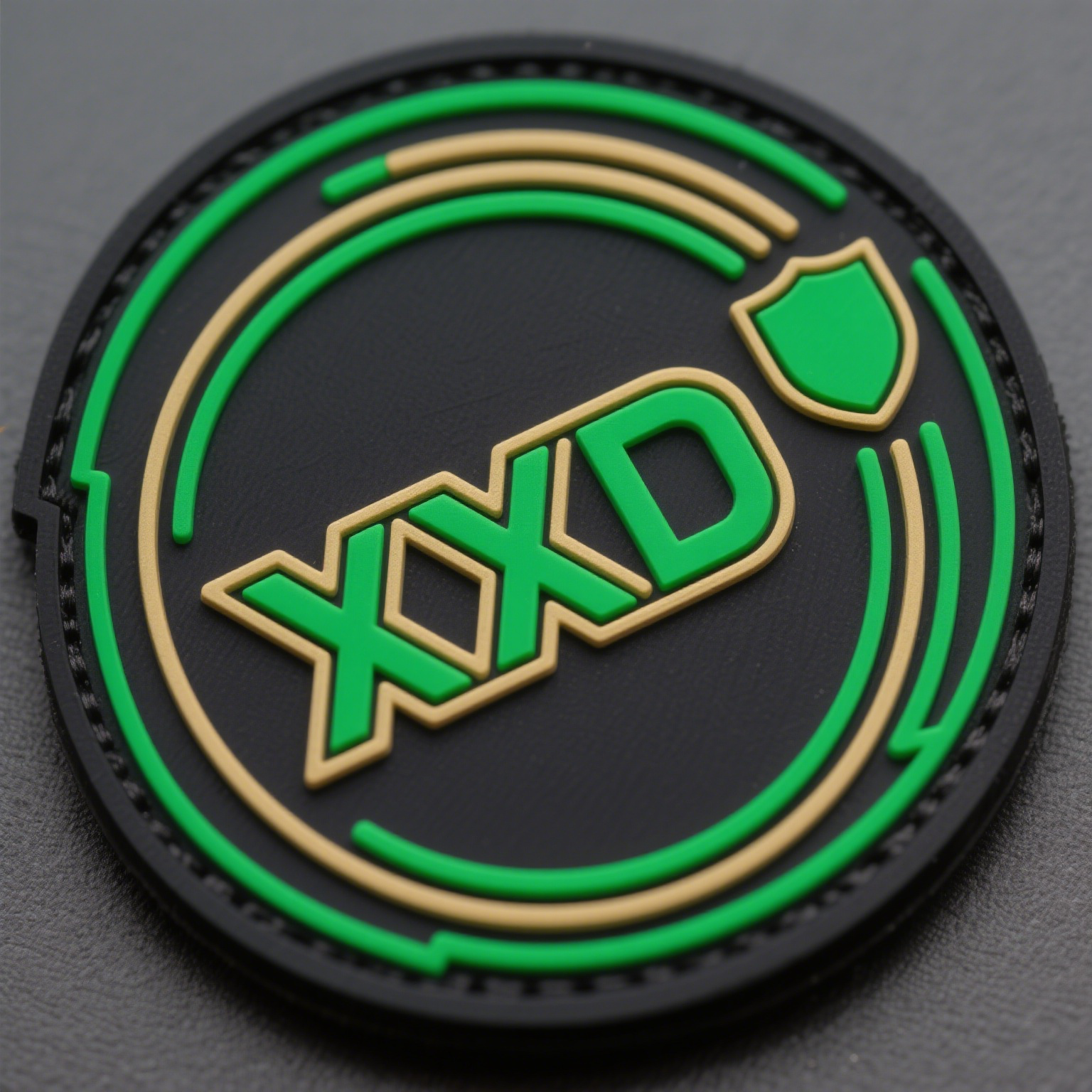
Woven patches offer photographic-level detail on a flat, smooth surface—ideal for intricate illustrations or multi-color gradients. PVC patches provide exceptional weather resistance with rubber-like flexibility, making them optimal for outdoor use exposed to moisture or UV. Sublimated patches achieve unlimited colors and seamless dye infusion into polyester-dominant fabrics, delivering vibrant transitions ideal for all-over prints.
| Patch Type | Detail Level | Weather Resistance | Texture Profile |
|---|---|---|---|
| Woven | High | Moderate | Flat, thin |
| PVC | Medium | Excellent | Raised, flexible |
| Sublimated | Highest | Good | Integrated with fabric |
Match patch type to your logo’s complexity and the hat’s intended environment: woven for photorealism, PVC for rugged conditions, and sublimated for full-color vibrancy on compatible fabrics.
Designing Logos for Optimal Hat Patch Reproduction
Simplifying gradients, fine text, and color count to match hat patch capabilities
Logos with subtle gradients, thin lines, or intricate fonts often lose clarity when translated to hat patches. Embroidery cannot replicate smooth color transitions, and text under 0.2 inches becomes illegible. To ensure crisp reproduction, convert gradients to solid color blocks, increase stroke widths to ≥0.1 inches, and limit text to essential keywords. These simplifications prevent distortion on curved, structured hat fronts—preserving brand recognition without compromising visual impact.
Why embroidered hat patches thrive with ≤9 colors—and when woven or sublimated excel
Embroidered patches perform best with nine or fewer thread colors; exceeding this increases production costs by up to 30% and risks visual clutter. Woven patches support 15+ colors with sharper edge definition than embroidery, while sublimated patches achieve unlimited color depth and gradient fidelity through dye infusion. A 2024 Textile Branding Study found logos with more than five colors achieved 40% higher recognition on sublimated patches versus embroidered versions. Reserve embroidery for bold, minimalist logos—and choose woven or sublimated options when detail, realism, or color richness is critical.
Trucker Hat Materials and Hat Patch Attachment: Matching Method to Fabric
Cotton twill, polyester mesh, and foam-backed fronts: adhesion compatibility by patch type
Fabric composition directly affects patch adhesion success. Cotton twill’s dense weave provides optimal anchoring for embroidered and woven patches. Polyester mesh’s porous structure limits heat-seal effectiveness and may require low-tack alternatives to avoid warping. Foam-backed fronts demand careful heat management—PVC patches bond reliably without melting risk, whereas woven patches may fray under tension. Leading suppliers report twice the failure rates when adhesives are mismatched to fabric composition, underscoring the need for intentional pairing.
Heat-seal, sew-on, and Velcro attachment: trade-offs in longevity, precision, and production cost
Attachment method influences both performance and economics. Heat-seal enables precise placement at $0.10–$0.30 per unit but can peel over time on curved surfaces—especially after repeated laundering. Sew-on offers maximum durability (5–8+ years) and superior abrasion resistance—industry testing shows it withstands three times more wear cycles than adhesive methods—but triples labor costs, making it best suited for premium applications. Velcro-backed patches support easy interchangeability at minimal production expense, though alignment inconsistencies may compromise brand consistency across distributed teams or events.
Hat Patch Sizing, Placement, and Brand Consistency on Trucker Hats
Proper sizing and positioning of hat patches directly affect brand visibility and recognition. The structured front panel accommodates larger patches (2"–3.5" wide), maximizing visibility without distortion on stiff foam fronts. Side panels suit subtler 1.5"–2" designs for understated branding.
| Placement Area | Ideal Patch Size | Key Consideration |
|---|---|---|
| Front Panel | 2"–3.5" width | Maximizes visibility |
| Side Panel | 1.5"–2" width | Subtle branding placement |
Maintain consistent brand identity by replicating patch designs across all promotional materials—from event giveaways to team uniforms. Uniform logo reproduction strengthens recognition and eliminates costly redesigns. Digital mockups are essential for validating sizing and placement before bulk production.
FAQs
What types of hat patches are most durable?
Embroidered patches are known for their unmatched durability and are ideal for corporate branding due to their longevity and professional appearance.
When should I use woven patches over embroidered patches?
Woven patches are suited for designs requiring photographic-level detail and multi-color gradients, offering flat and smooth surfaces perfect for intricate illustrations.
What is the best attachment method for trucker hat patches?
For precise placement and durability, sew-on methods are superior, while heat-seal and Velcro provide cost-effective alternatives depending on the application.