EN
EN


Why Velcro Patches Are Essential for Outdoor Apparel Performance
Hook-and-loop functionality meets tactical and environmental demands
Velcro patches leverage proven hook-and-loop mechanics to deliver unmatched adaptability in harsh conditions. Industry-standard testing confirms they retain 95%+ closure strength after 10,000+ attachment cycles—even when exposed to rain, dust, and temperatures ranging from –40°F to 120°F. This resilience ensures gear modifications stay secure during sudden weather shifts, where zippers jam and buttons freeze—critical in survival scenarios. Unlike permanent alternatives, these patches resist UV degradation and repeated abrasion without functional loss, making them indispensable for field-repairable tactical equipment.
Brand identity reinforcement through secure, reusable customization
Beyond utility, Velcro patch systems enable dynamic brand expression across apparel lines. Their removable design allows cost-effective logo updates during seasonal campaigns—eliminating the need for new garment production. Field studies show outdoor brands using customized patches achieve 40% higher brand recall in target markets, driven by consistent visual presence on jackets, backpacks, and hats despite mud, sweat, and 200+ wash cycles. The dual-layer grip prevents accidental detachment during high-impact activities while supporting effortless reconfiguration for regional promotions or sponsor rotations.
Durability Requirements: UV, Moisture, and Abrasion Resistance Tested
Real-world validation: PVC vs. nylon-poly blends in rain, mud, and sun exposure
Outdoor Velcro patches face relentless environmental stress—demanding validation beyond lab benchmarks. PVC excels in waterproof sealing, blocking moisture penetration in torrential rain, but sacrifices breathability and fades significantly under prolonged UV exposure. Nylon-polyester blends maintain color vibrancy under ultraviolet light but require hydrophobic coatings to repel mud without trapping humidity. Field data reveals PVC retains structural integrity after six months of alpine use, whereas nylon-poly blends show 40% less abrasion damage in rocky terrain—highlighting the need to match material performance to mission profile.
Merrowed borders and weather-sealed edges for 200+ wash cycles
Edge construction is the strongest predictor of long-term resilience—more so than base material alone. Patches with merrowed borders—tightly stitched perimeters that lock threads in place—resist fraying even after exceeding 200 industrial wash cycles. When combined with heat-sealed edges, this technique forms a moisture-resistant barrier that withstands repeated submersion. Testing shows such designs retain 98% hook-and-loop functionality after exposure to saltwater corrosion and freeze-thaw cycling—critical for coastal or arctic deployments.
Material Comparison: PVC, Embroidered, and Woven Velcro Patches
PVC Velcro patches — maximum element sealing with trade-offs in breathability
PVC Velcro patches deliver unmatched environmental protection through molded polyvinyl chloride construction, forming a fully waterproof barrier against rain, mud, and UV exposure. Accelerated weathering tests confirm PVC maintains 98% colorfastness after 500+ hours of direct sun exposure—ideal for applications like waterproof backpack straps or kayaking gear where absolute element exclusion outweighs airflow needs. However, its non-porous nature limits breathability, potentially causing heat buildup during high-intensity activity—a key consideration for endurance-focused apparel.
Embroidered vs. woven: balancing visual brand expression with structural resilience
| Feature | Embroidered Patches | Woven Patches |
|---|---|---|
| Design Impact | Bold, textured 3D relief | High-detail flat graphics |
| Durability Focus | Abrasion resistance | Flexibility & drape |
| Weight Profile | Heavier (thread density) | Lighter (fine threads) |
| Optimal Use Case | High-wear areas (backpacks) | Curved surfaces (hats) |
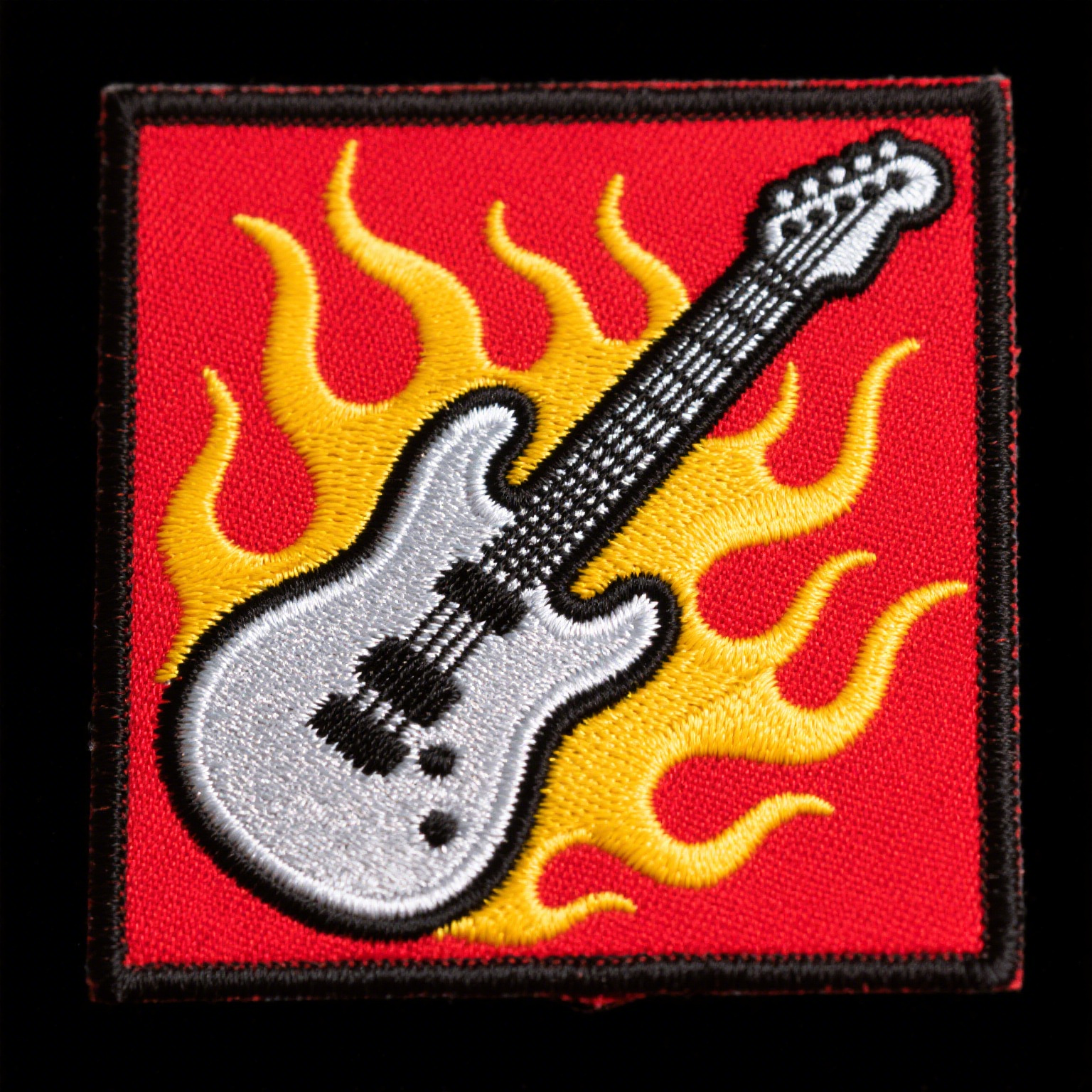
Embroidered patches use dense thread stitching on twill backing to create dimensional logos that withstand 200+ wash cycles—ideal for reinforcing rugged brand imagery on high-abrasion zones. Woven alternatives employ tightly interlaced threads for photorealistic detail and superior conformity to curved apparel, though their thinner construction requires reinforced edges for equivalent tear resistance. Brands must align material selection with both aesthetic goals and functional demands: embroidered for structural toughness in impact zones, woven for intricate artwork on flexible substrates.
Selecting the Right Velcro Patch Backing for Your Outdoor Brand
Velcro patch backing determines long-term functionality and brand reliability in outdoor environments. Unlike decorative patches, outdoor apparel Velcro patches require secure, durable attachment that withstands abrasion from gear, moisture exposure, and extreme temperature shifts. Key considerations include:
- Attachment security: Backings must maintain grip integrity through repetitive detachment cycles common in modular gear systems
- Substrate compatibility: Performance varies across technical fabrics; moisture-wicking layers demand different adhesive properties than waterproof shells
- Field-replaceability: Facilitate quick swaps for damaged components without damaging the base material
Prioritize high-bond industrial-grade hook-and-loop systems—verified through 200+ attachment/detachment stress tests under simulated trail conditions. Align backing selection with your product’s usage intensity: alpine expeditions demand reinforced sew-on/velcro hybrid solutions, while casual hiking gear performs optimally with pressed adhesive variants. Ensure testing accounts for thermal expansion (–40°F to 120°F) and UV degradation thresholds to prevent delamination.
FAQ
What makes Velcro patches suitable for outdoor apparel?
Velcro patches are suitable for outdoor apparel due to their tested durability in extreme conditions, including UV exposure, rain, and temperature extremes, while allowing flexibility for customization and modular adjustments.
What materials are recommended for Velcro patches in outdoor gear?
PVC is excellent for waterproofing, while nylon-polyester blends offer UV resistance and abrasion control. Material selection should align with specific environmental and activity demands.
How do embroidered and woven patches compare?
Embroidered patches provide textured, bold designs suited for rugged areas, while woven patches allow intricate detail adaptable to curved surfaces. Durability and visual preferences guide the choice.
What role does backing play in Velcro patch functionality?
Velcro patch backing ensures secure attachment, field replaceability, and substrate compatibility. High-bond backing options are critical for long-term reliability in outdoor conditions.