EN
EN


Why Embroidery Patches Strengthen Fashion Brand Identity
How custom embroidery patches reinforce premium positioning and collection cohesion
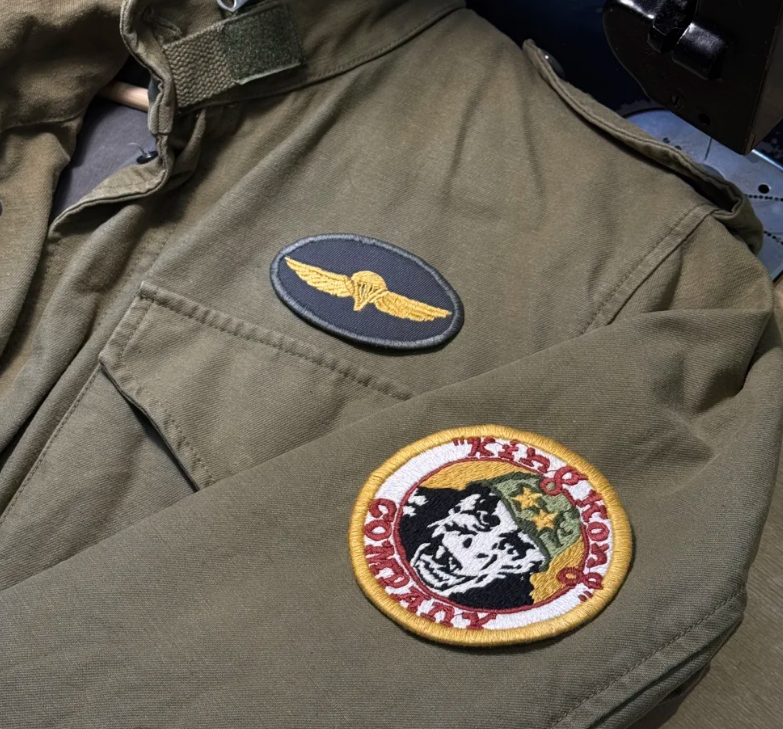
Embroidered patches turn clothing into real brand statements when they combine that nice touch of texture with consistent visuals. The raised fabric makes people see them as something special too. According to Textile Innovation Council numbers from last year, logos done in embroidery actually sell for about 18 percent more than just printed ones. Brands that stick to the same patch designs throughout their seasons build instant recognition because customers start to associate those particular stitches and colors with the brand itself. Big name companies use this trick all the time to keep their look uniform even as they bring out fresh collections. Every item then supports the overall style story without making production take longer than necessary.
Brand spotlight: Reformation and Stüssy's strategic use of embroidery patches in seasonal storytelling
Smart fashion brands are starting to see embroidered patches not just as decorations but as key pieces in their seasonal stories that still keep the brand's main look intact. Take Reformation for instance, they switch out their summer collection designs with different plant patterns made from threads that meet environmental standards. This connects their green message right into what customers can actually touch and see on clothes. Stüssy does something similar with old school style embroidered badges on their limited runs, these little symbols make people want to collect them because they hint at history and tradition. According to some research from the Textile Marketing Journal last year around 2022, clothes with these kinds of patches get noticed about three times more each day compared to regular branded stuff. Plus, designers can work on new looks much quicker between seasons maybe even close to 40% faster. When companies start thinking of patches as building blocks for telling stories, they gain a lot of freedom in marketing campaigns without messing up production processes when making large quantities.
Key Embroidery Patches Types for High-Volume Fashion Production
Merrowed, heat-seal, and hook-and-loop backing: durability, application speed, and garment compatibility
When making lots of clothing items at once, picking the right kind of patch backing makes a big difference in how fast things get done and how long they last. Merrowed edge patches have those neat overlocked borders around them which actually hold up better against fraying compared to regular cuts about half the time longer according to tests. The downside? They need to be sewn on, so each one takes extra time—maybe two or three minutes longer to attach properly. Heat seal backings work differently since they rely on special plastic glue that sticks instantly when heated up in industrial machines—just three seconds flat! Great for synthetic fabrics like polyester jackets, though keep in mind not all adhesives stand up equally well after multiple washes. Then there's hook and loop, stuff similar to Velcro that lets customers swap out patches easily if they want different looks for their capsule collection series. Problem is, these add weight—roughly eight tenths of an ounce per patch and the garments themselves need specific panels designed to work with this type of fastening system.
| Backing Type | Durability | Application Speed | Best Garment Matches |
|---|---|---|---|
| Merrowed Edge | Extreme | Slow (sewing) | Denim, canvas, workwear |
| Heat-Seal | Moderate-High | Instant (<5 sec) | Polyester blends, performance wear |
| Hook-and-Loop | Moderate | Medium (alignment) | Modular designs, seasonal pieces |
Balance these trade-offs: heat-seal suits high-turnover fast fashion, while merrowed edges maximize longevity for premium outerwear. For mixed-material collections, combine backings strategically—using heat-seal for lightweight layers and sewn merrowed patches on investment pieces.
Design & Material Decisions That Define Patch Quality and Perception
Twill vs. felt vs. ripstop bases — impact on drape, stitch definition, and luxury signaling
Twill fabric delivers great draping qualities and sharp stitch lines, giving off a luxurious vibe thanks to its distinctive diagonal weave pattern. This makes it perfect for high fashion pieces where clothes need to move gracefully across the body to tell their own story visually. Felt fabric brings something different to the table with its stable structure and old world texture. The material absorbs thick stitching well, creating a rich tactile experience that screams handcrafted quality. Ripstop nylon focuses on functionality first, featuring reinforced grids that resist tearing. But honestly, its stiffer nature works better for outdoor equipment rather than fancy designer collections. According to recent research from textile durability tests in 2023, twill fabrics scored highest with a drape rating around 0.87 compared to felt at 0.62 and ripstop at just 0.41 during clothing movement experiments. No wonder many luxury brands still go for twill when they want those flowing silhouette effects in their designs.
Thread count and stitch density: balancing visual richness with wash-and-wear resilience
More threads per inch create those amazing lifelike details we see in premium embroidery, but getting the right number of stitches matters for keeping things from falling apart. The best quality patches find that sweet spot between intricate artwork and lasting strength thanks to smart design techniques. Top notch work usually has around 60k to 75k stitches per square meter, which gives those rich color transitions and stands up to repeated washing. Fast fashion brands tend to cut corners somewhere around 40k stitches instead. When done right, this careful stitching prevents those annoying wrinkles that show up after dry cleaning or heavy use. Some studies actually found that well-made designs keep their colors about 12 percent better after going through fifty industrial wash cycles. These days most manufacturers use computer software to map out where to pack in extra threads for important parts of the design while thinning them out elsewhere so the whole piece doesn't become too thick or bulky, all while making sure it looks great for years to come.
Scalable Production of Embroidery Patches for Fashion Brands
Digital embroidery automation: MOQ flexibility, color consistency, and lead time advantages for bulk orders
The shift to digital embroidery has really changed how fashion brands handle large patch production, mainly because of three big benefits. With computer-controlled machines, there's much more flexibility on minimum order quantities. Brands can now order anywhere between 500 pieces and way over 10,000 without getting hit with extra charges, which works great for those limited edition runs or new season product drops. The machines also keep track of thread colors super accurately, so patches coming off the line look exactly the same batch after batch. This matters a lot for keeping brand standards intact, especially when trying to match tricky Pantone shades such as vibrant electric blue or shiny metallic finishes. What makes this technology stand out though is how fast it cuts down production time. Automated systems can cut lead times in half—sometimes even more than that compared to old school manual methods. Instead of waiting six weeks for patches, companies get them ready in around two weeks. Faster turnaround means brands can react quicker to what's hot in the market right now and they don't have to store as much inventory sitting around taking up space.
| Advantage | Impact on Fashion Production |
|---|---|
| MOQ Flexibility | Lowers inventory risk for limited editions |
| Color Consistency | Ensures uniformity across global collections |
| Reduced Lead Times | Enables 2—3 seasonal drops vs. traditional 1 |
These efficiencies make automated embroidery indispensable for brands scaling patch deployment across diverse product categories, from denim jackets to accessory lines.
FAQ
What are the main types of embroidery patch backings?
The main types include merrowed edge, heat-seal, and hook-and-loop backing, each offering different benefits in terms of durability, application speed, and garment compatibility.
How do embroidery patches impact brand identity?
Embroidery patches strengthen brand identity by becoming recognizable symbols that customers associate with the brand, reinforcing cohesive storytelling and premium positioning.
Why is digital embroidery important for scalable fashion production?
Digital embroidery allows for greater flexibility in order quantities, ensures color consistency, and significantly reduces lead times, enabling brands to efficiently scale production for diverse product categories.