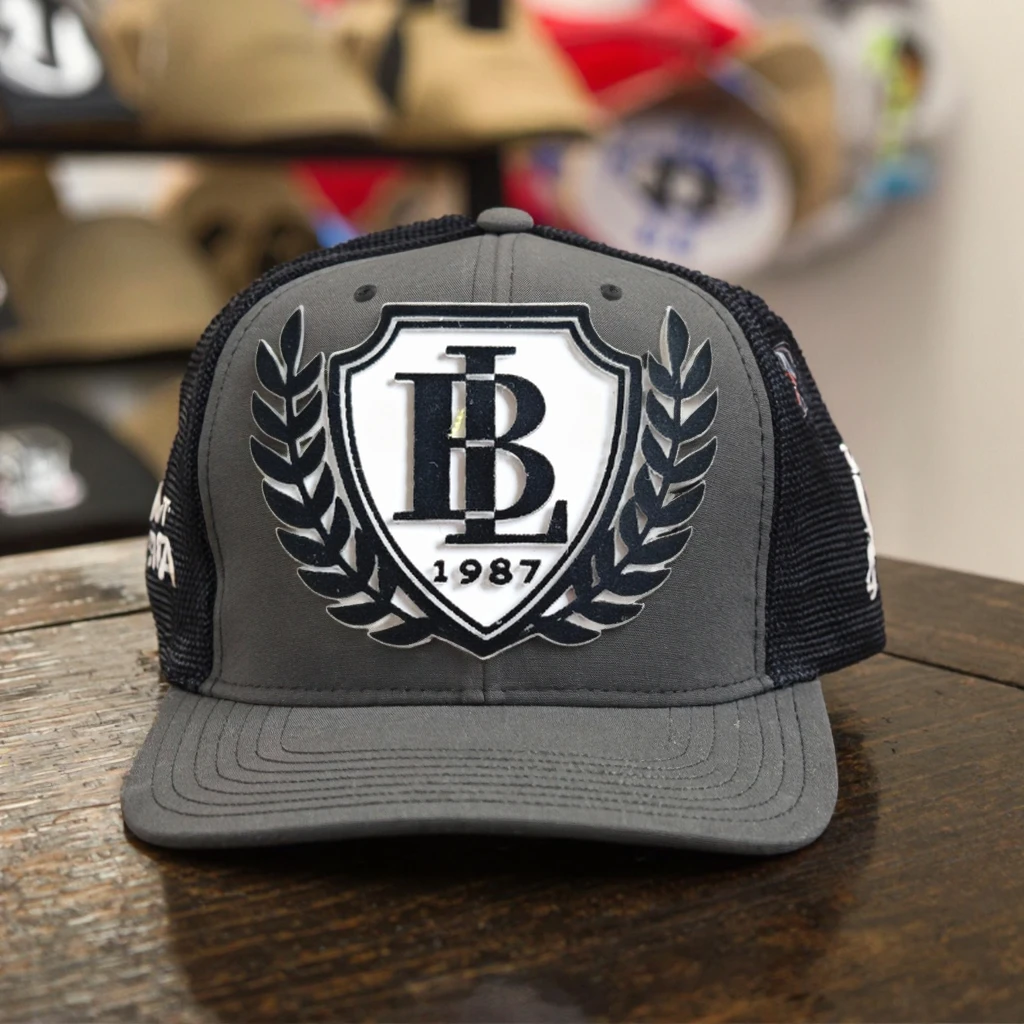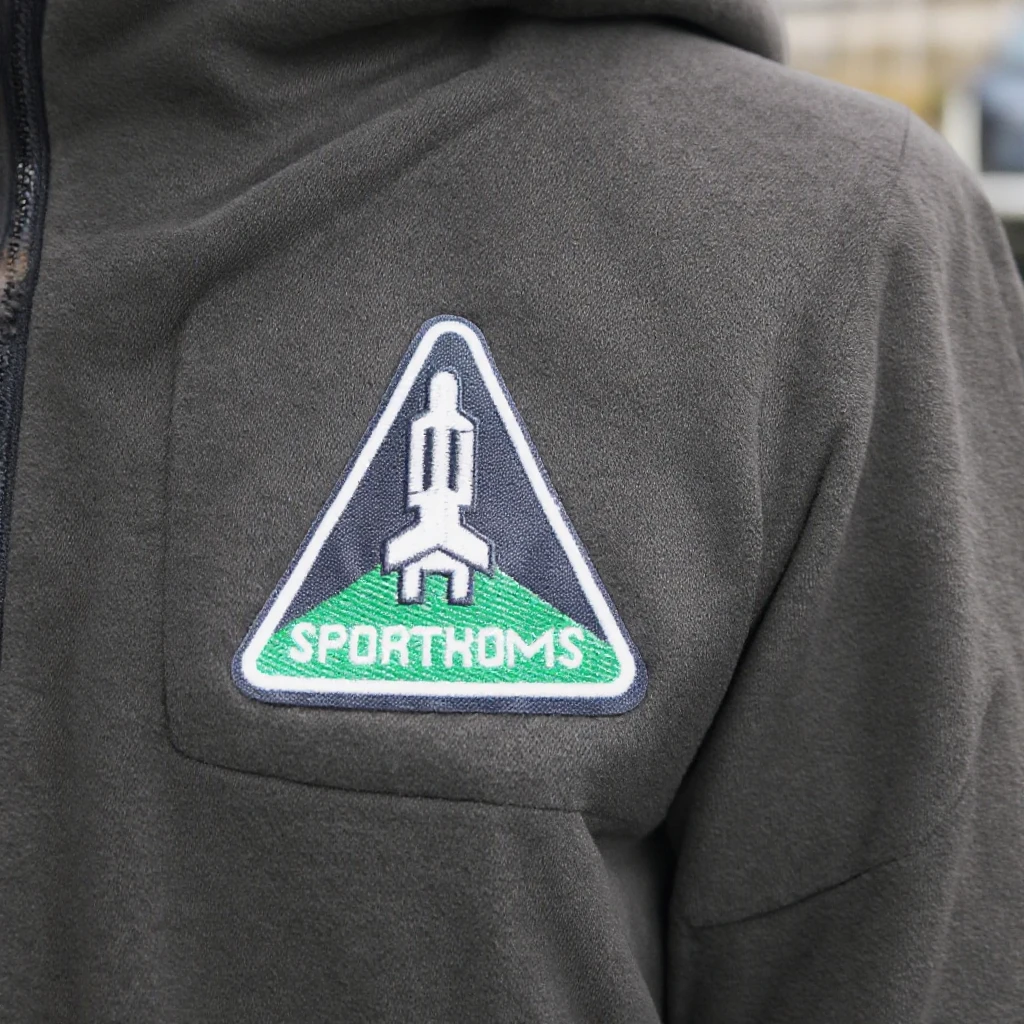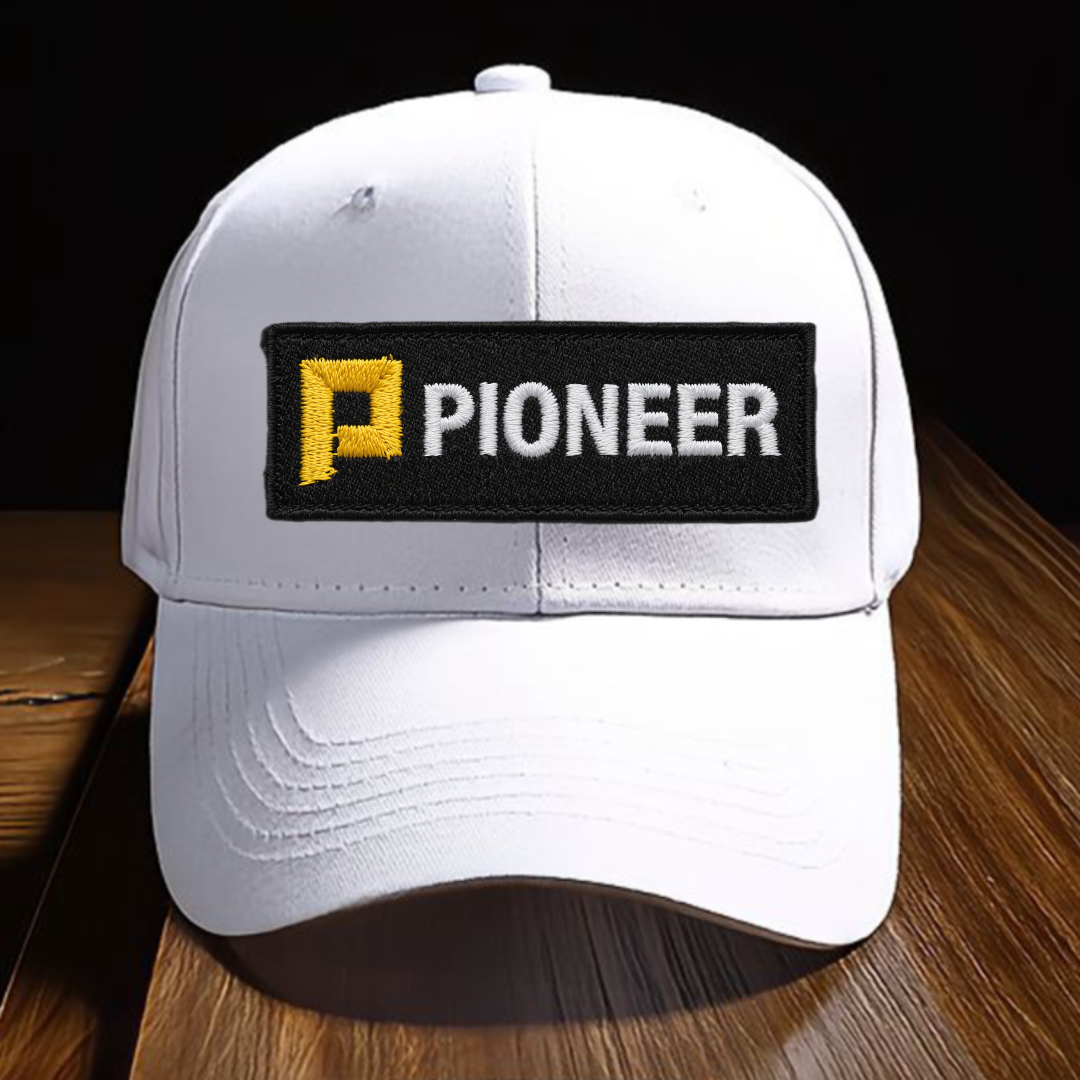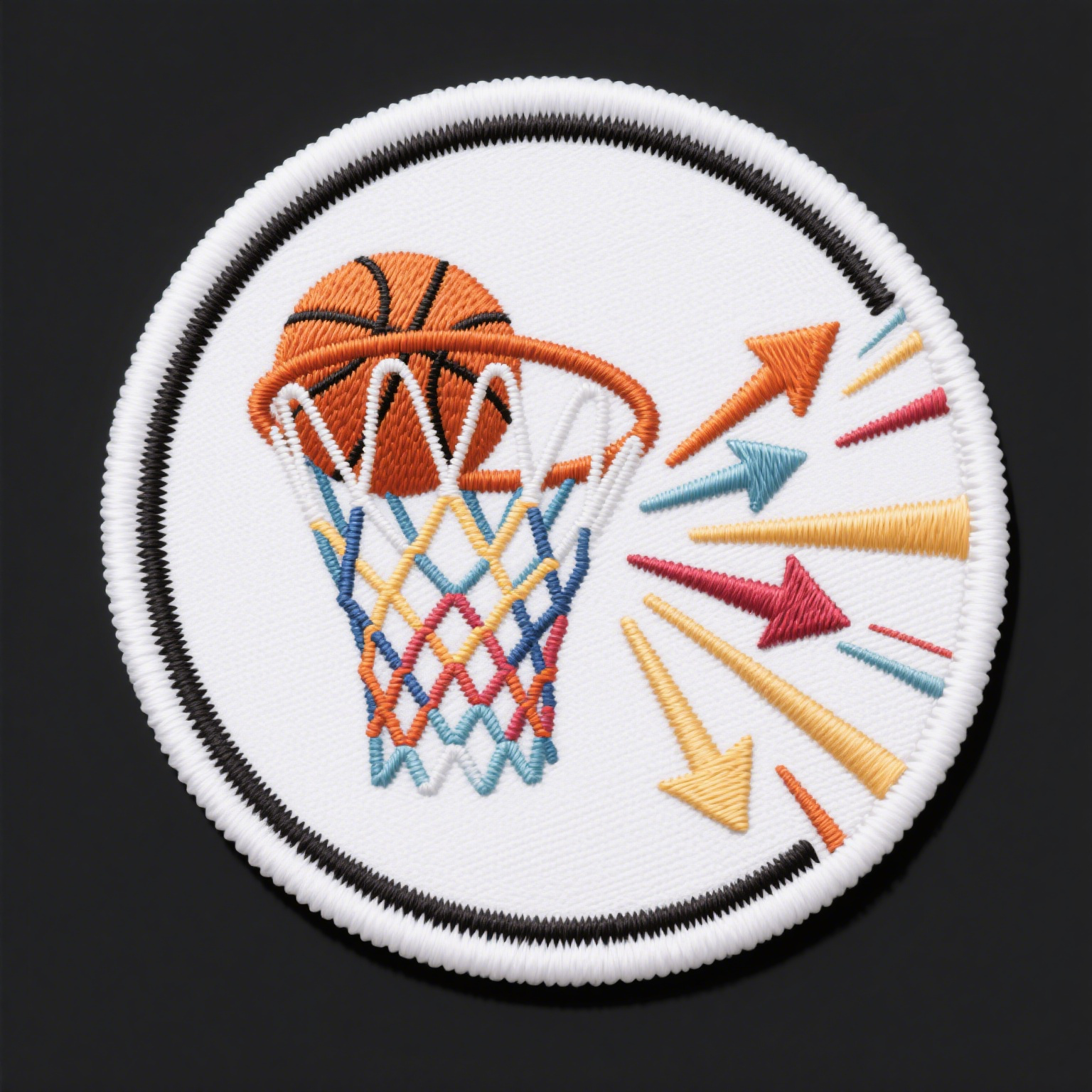

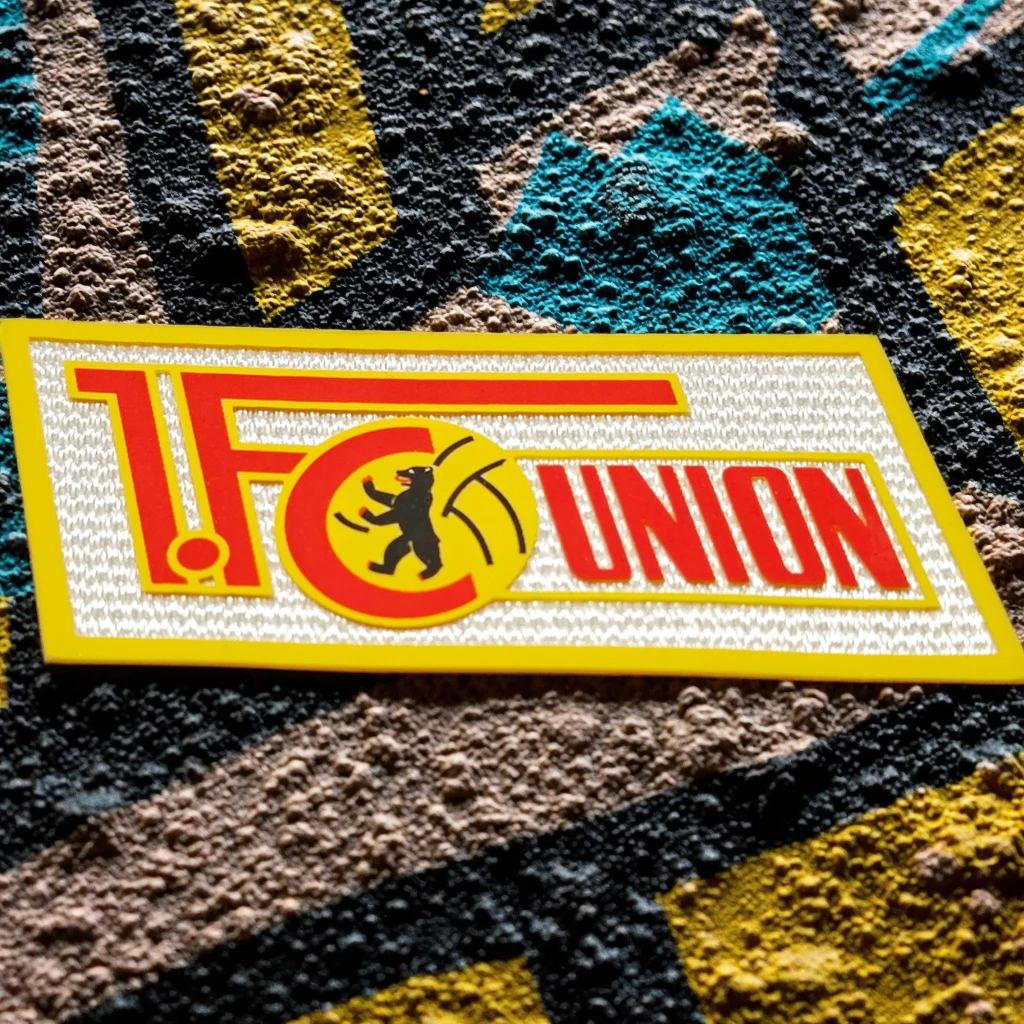
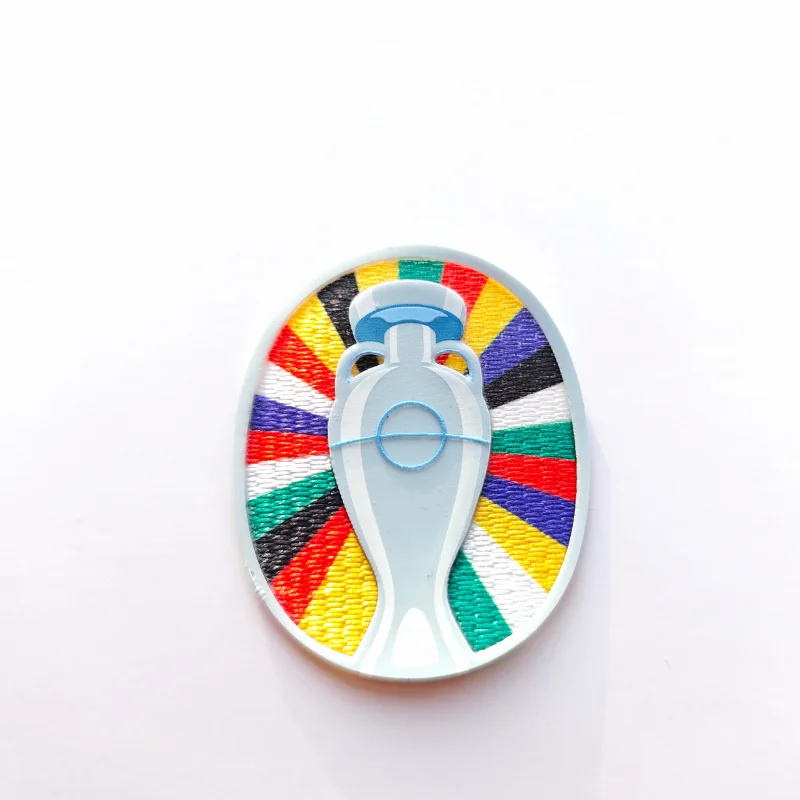
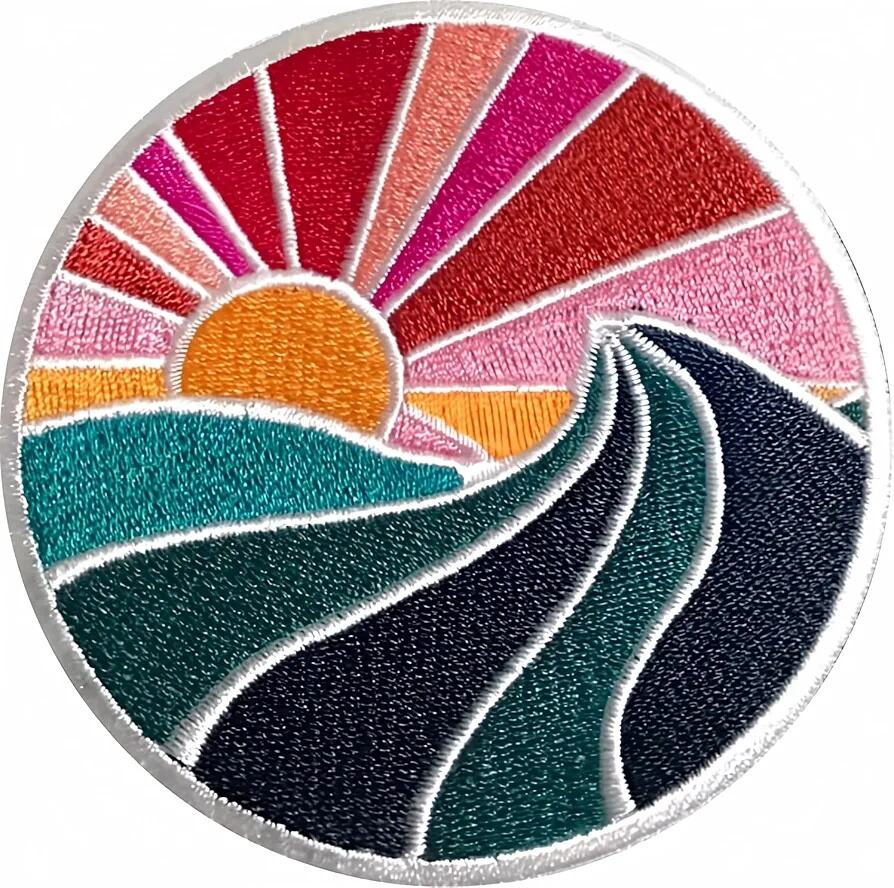
Embroidered patches represent a convergence of decorative art and industrial manufacturing, offering a durable and prestigious method of branding. The process initiates with a comprehensive design consultation, where client ideas are transformed into embroidery-ready digital files. This stage involves critical decisions regarding the scale of the design, the color palette, and the translation of visual elements into stitch patterns. Skilled digitizers use their expertise to determine the optimal path for the embroidery machine needle, sequencing the colors and stitch types to build the design efficiently and with the highest visual fidelity. This digital file is then loaded into the embroidery machine's controller, which synchronizes the movement of the embroidery frame (holding the fabric) with the needle and thread delivery system. Modern multi-head machines can produce dozens of identical patches simultaneously, ensuring high throughput for bulk orders. Quality control is embedded throughout the production process. Prior to full production, a sample patch is often created and subjected to tests for color accuracy, stitch formation, and adhesion strength. During mass production, automated vision systems may be employed to inspect patches for defects like skipped stitches, thread tension issues, or color deviations, flagging any non-conforming items for rework. The commercial viability of embroidered patches is evident in their widespread use. Corporations use them to foster team unity through branded workwear. Sports leagues use them to denote league membership, team affiliation, and championship wins. Government agencies use them for clear, standardized identification on uniforms. Furthermore, the rise of e-commerce and print-on-demand services has made small-quantity custom patches accessible to individuals and small businesses, fueling a market for personalized fashion and niche community identifiers. For accurate pricing, which is influenced by design complexity, stitch count, colors, size, and quantity, we recommend submitting your artwork for a formal quotation. Our customer service team is prepared to guide you through the ordering process and provide insights on how to optimize your design for both cost and visual impact.