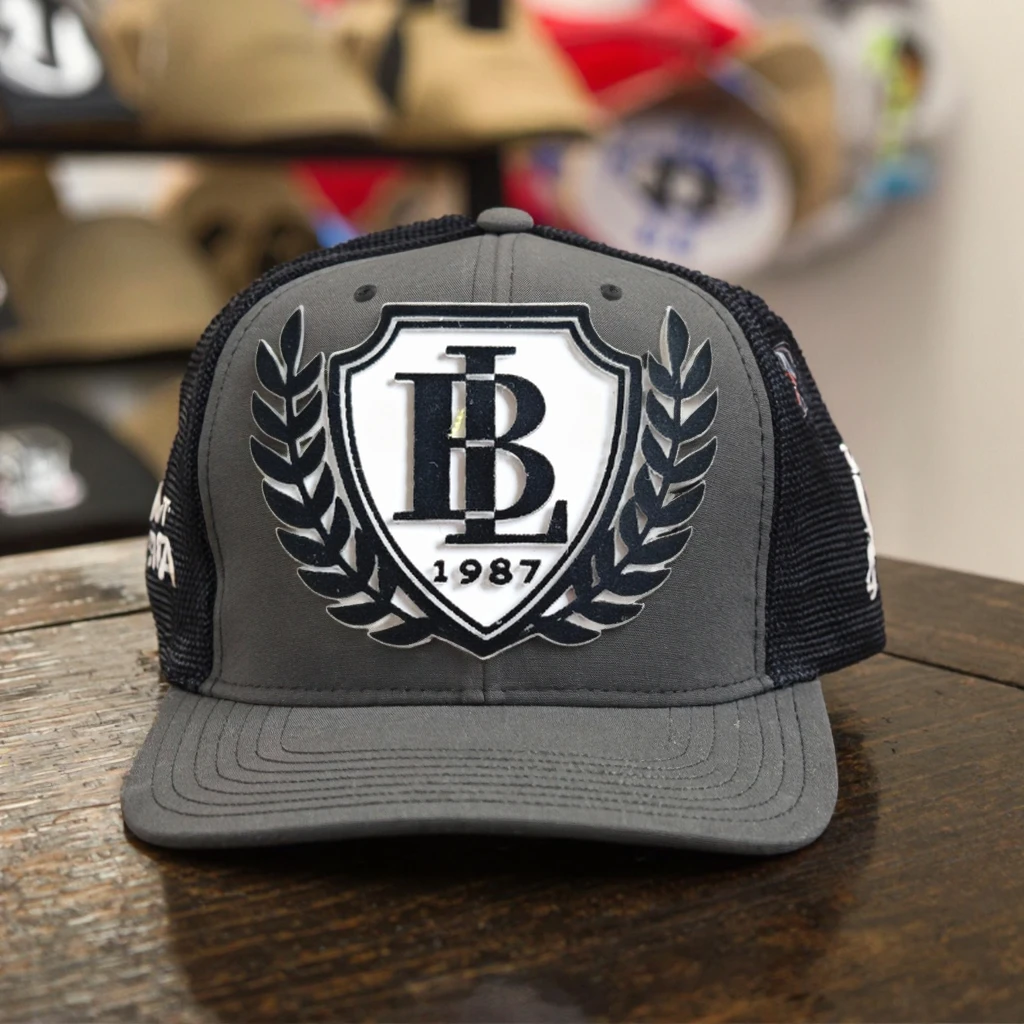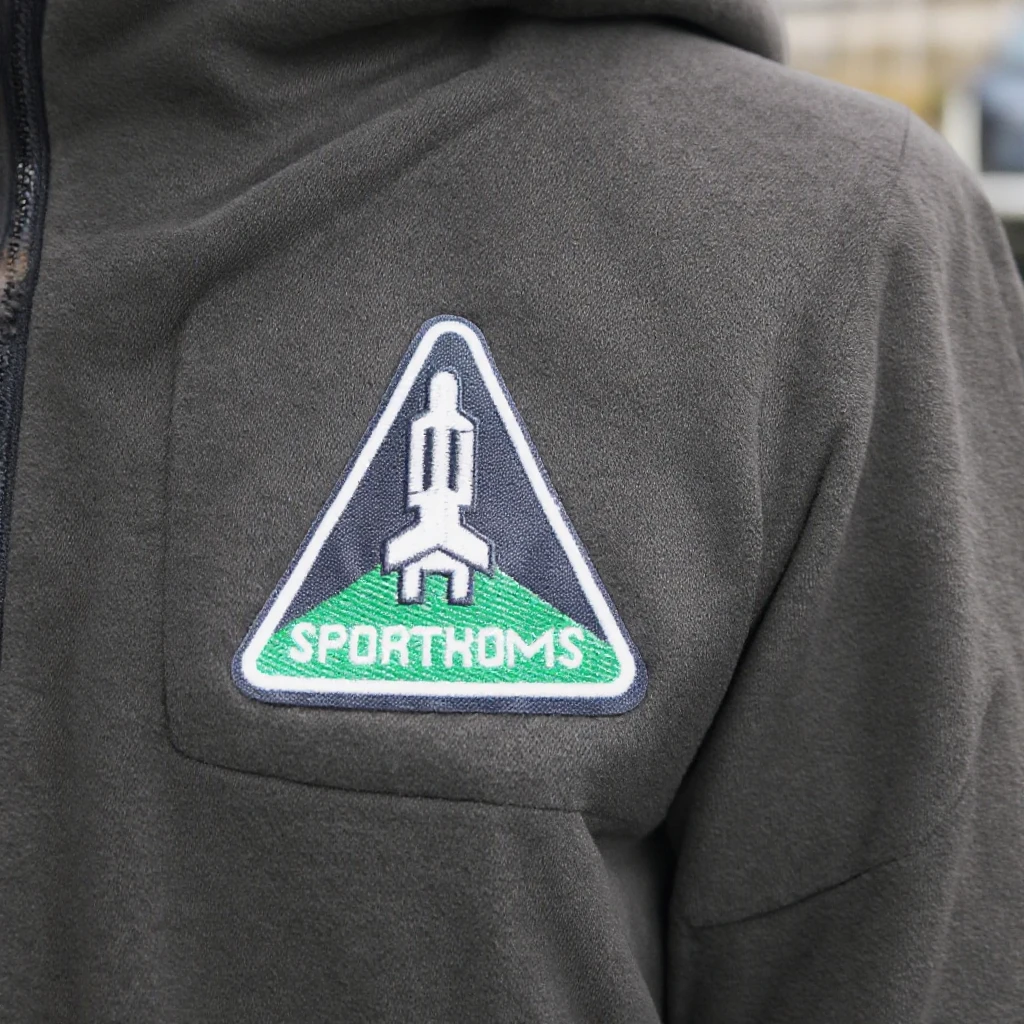

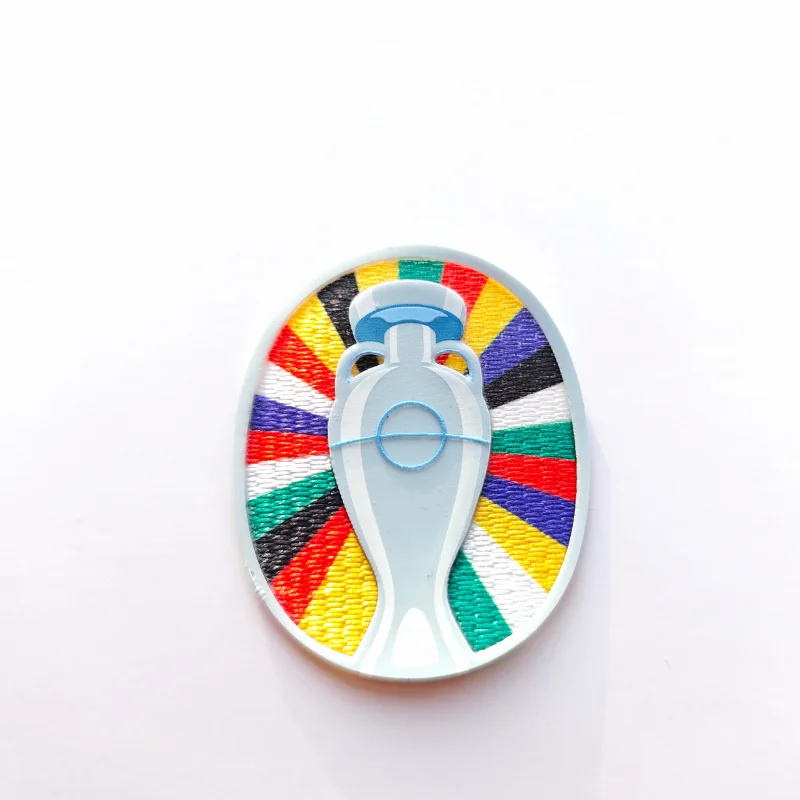
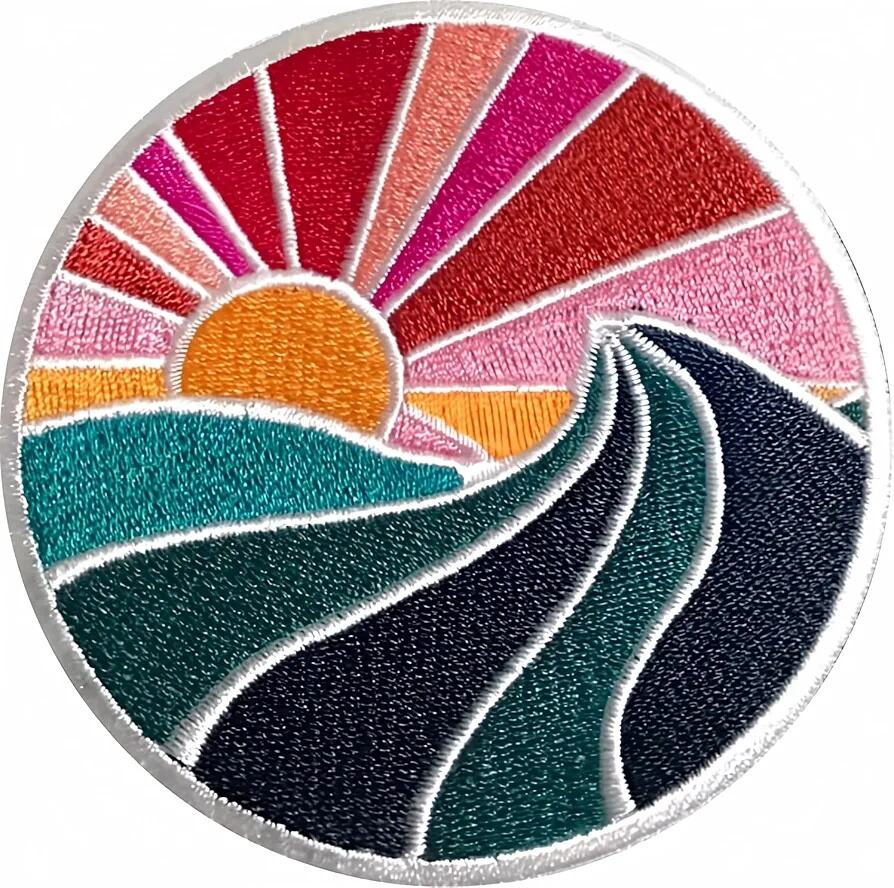
Investing in custom embroidered patches involves a detailed understanding of the interplay between design complexity, material selection, and production techniques to achieve the desired outcome. The initial design phase is paramount, where artwork is analyzed for its suitability for embroidery conversion. Elements such as extremely fine details, gradient color effects, and very small serif fonts may require simplification or modification to ensure they are rendered effectively in stitch form. The expertise of a graphic technician in this conversion process is critical for maintaining the design's intent while optimizing it for manufacturability. Once the design is finalized, the production phase commences with the hooping of the backing material, which is held under tension to provide a stable surface for the embroidery needles. The selection of needle size and type is tailored to the thread and backing material being used to prevent damage and ensure clean stitch formation. The global supply chain for embroidered patches is supported by a network of thread manufacturers, stabilizer producers, and machinery developers, all contributing to a consistent supply of high-quality raw materials. This enables producers to meet the demands of international clients across different industries, from promotional products and sports leagues to government contracts and fashion brands. The logistical aspect of delivering these patches, often in tight timeframes, is managed through efficient packaging solutions that protect the patches from moisture, crushing, and static electricity during transit. For clients with specific needs, such as patches for fire-resistant garments, materials and threads that meet relevant safety standards like NFPA or EN can be sourced. Similarly, for consumer goods targeting children, compliance with safety regulations concerning small parts and phthalates is rigorously maintained. The economic aspect of embroidered patch production is influenced by factors such as the total stitch count, the number of color changes, the size of the patch, and the order quantity. To receive a detailed cost breakdown and explore how these factors impact the pricing for your particular project, we invite you to submit your design specifications for a no-obligation quotation and expert analysis from our customer service representatives.