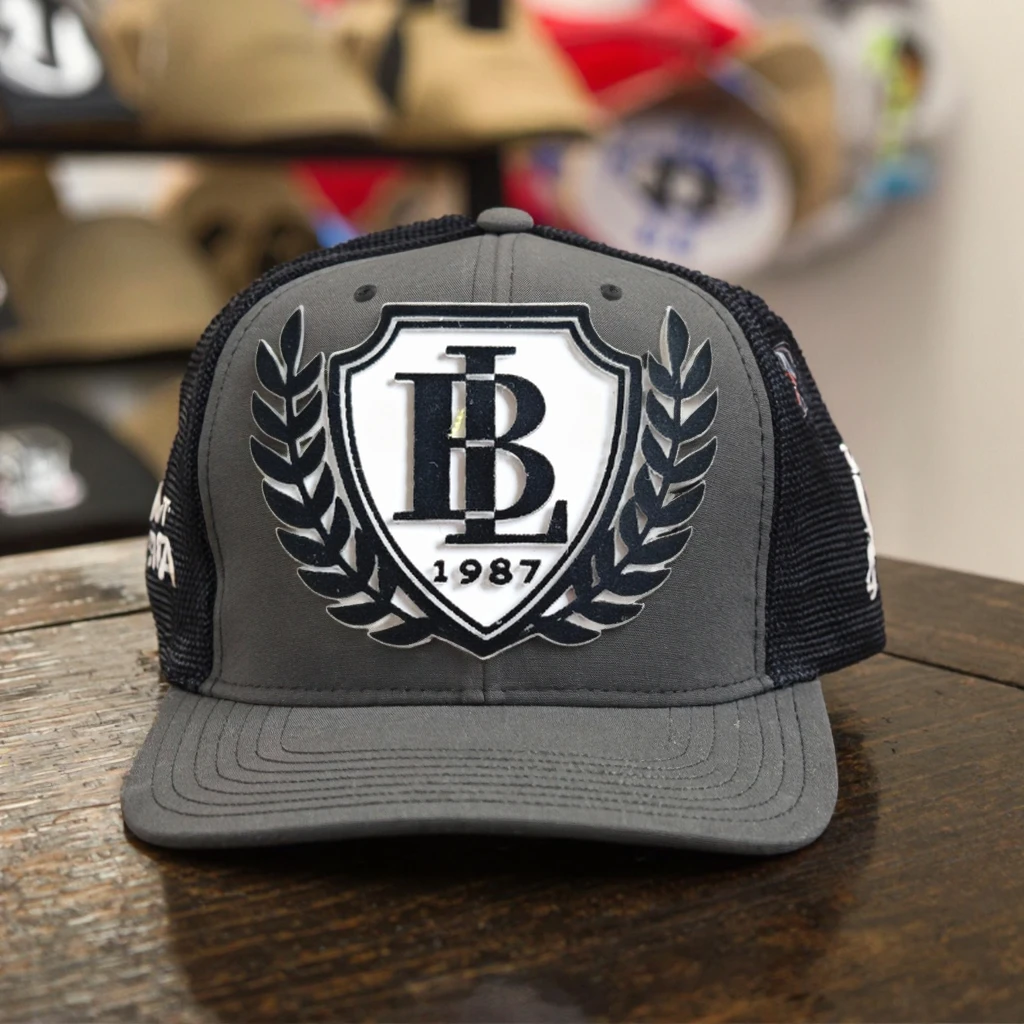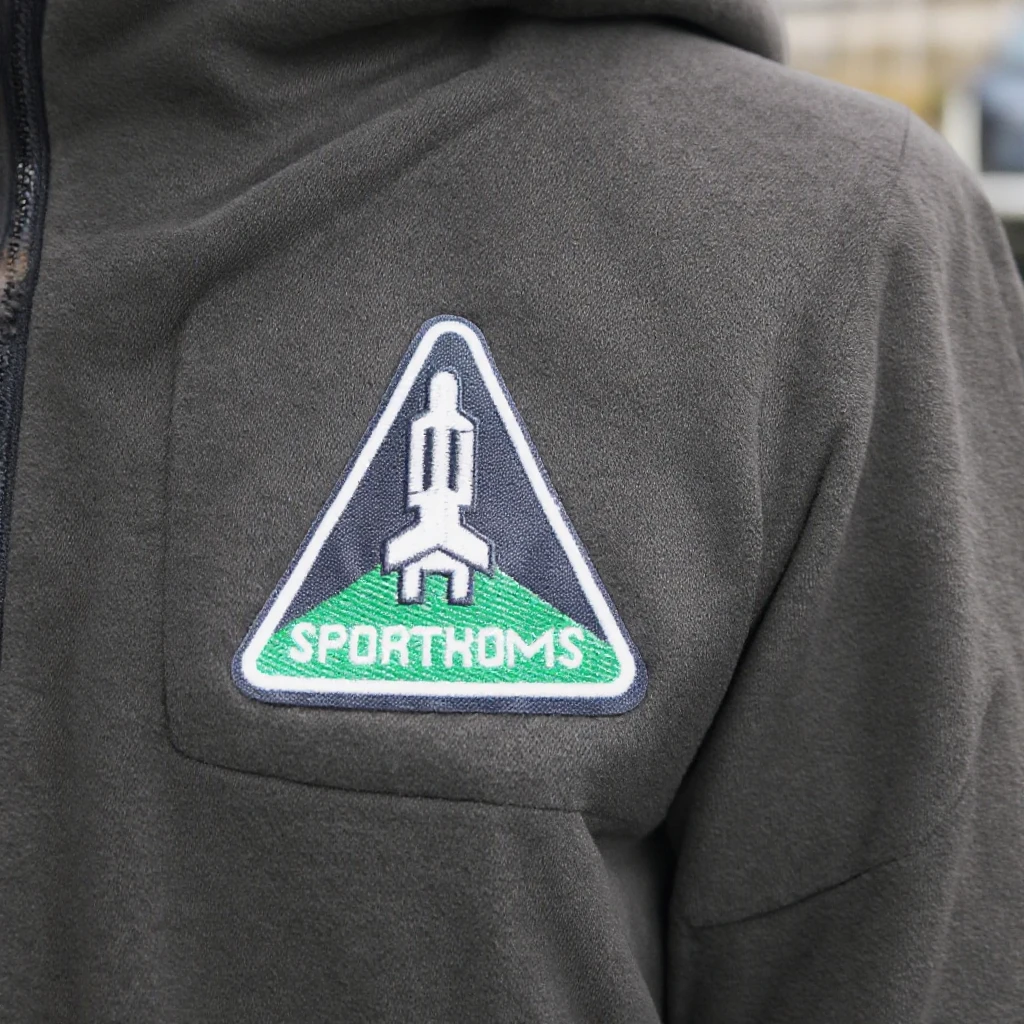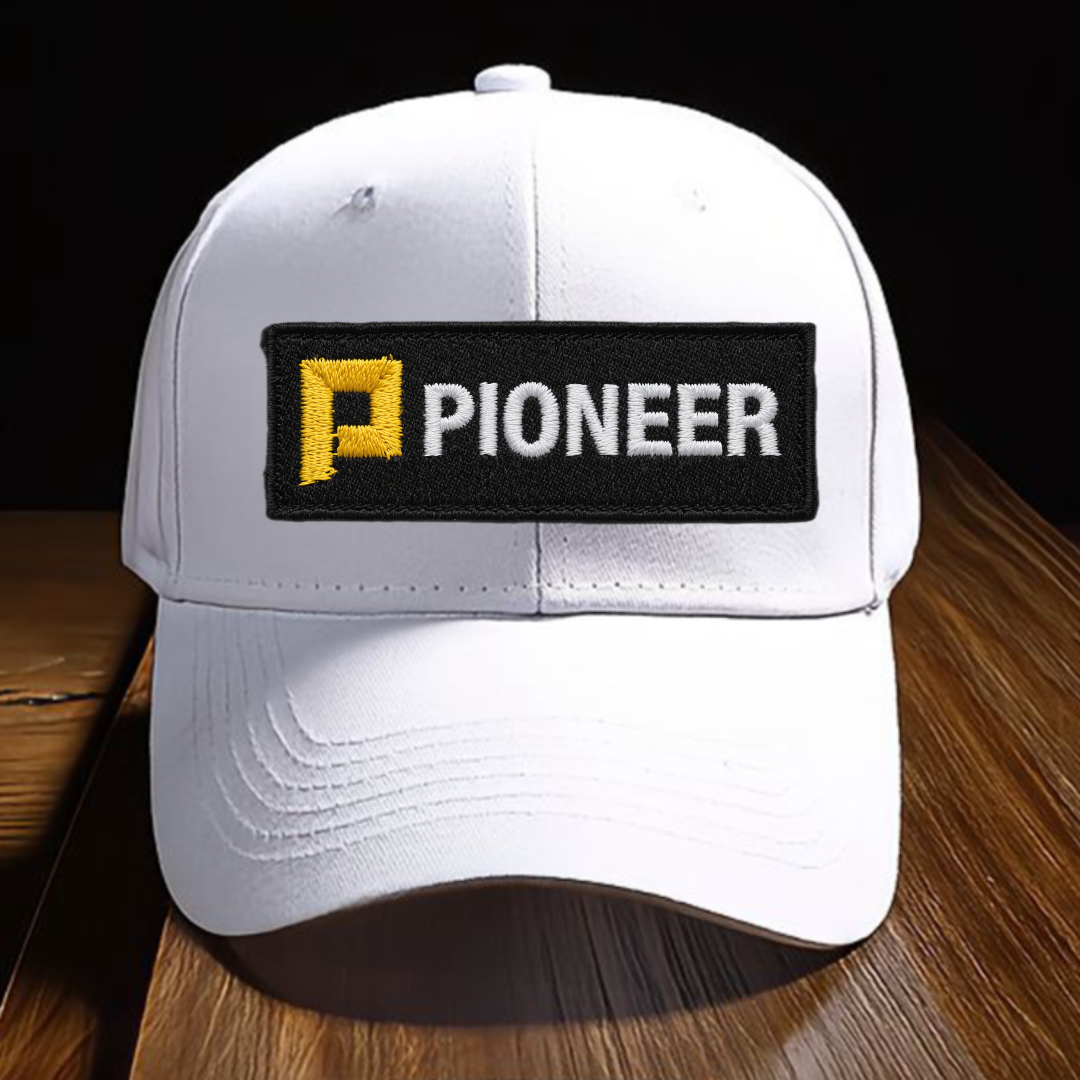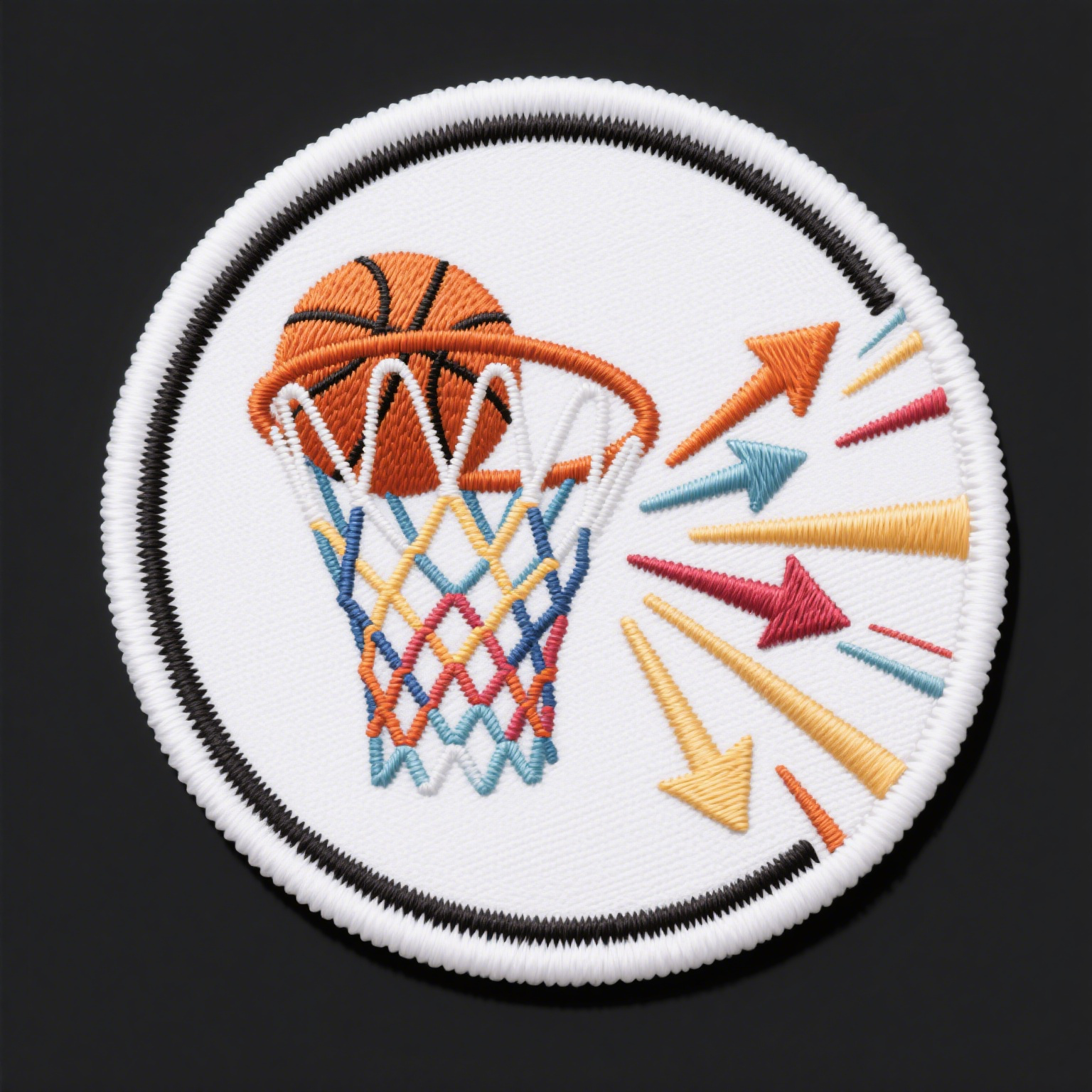
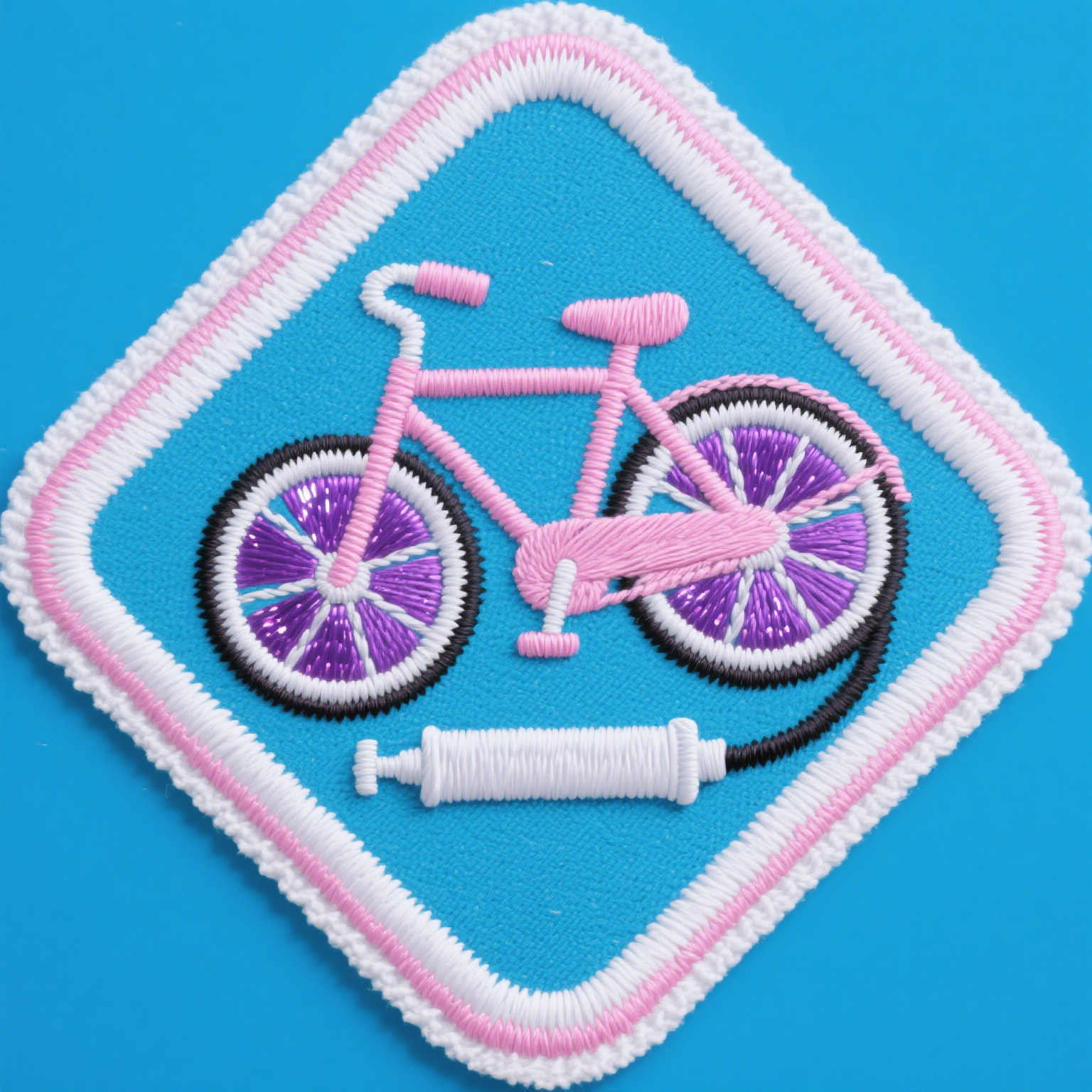

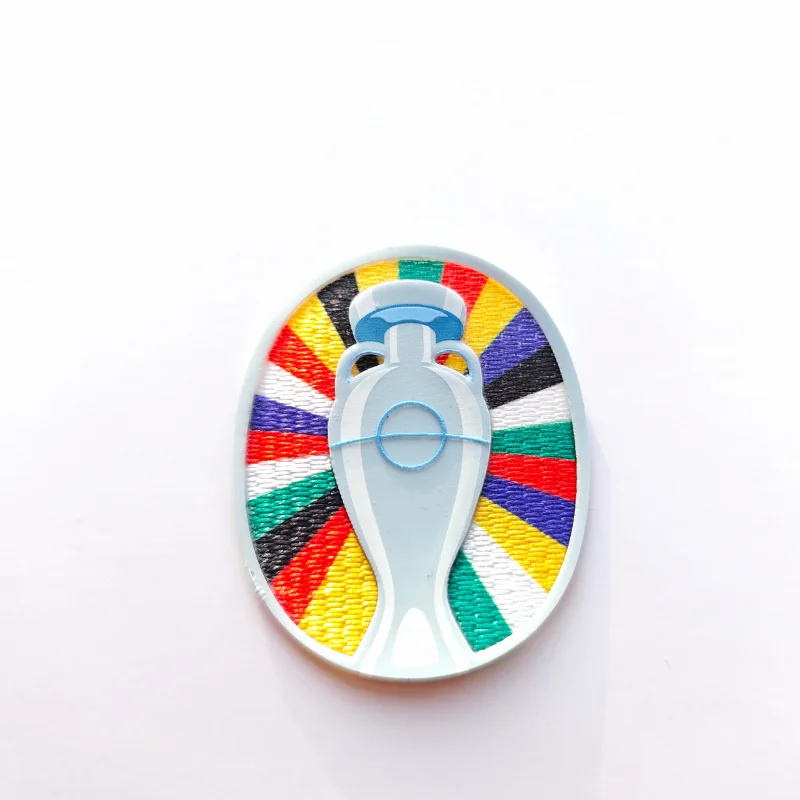
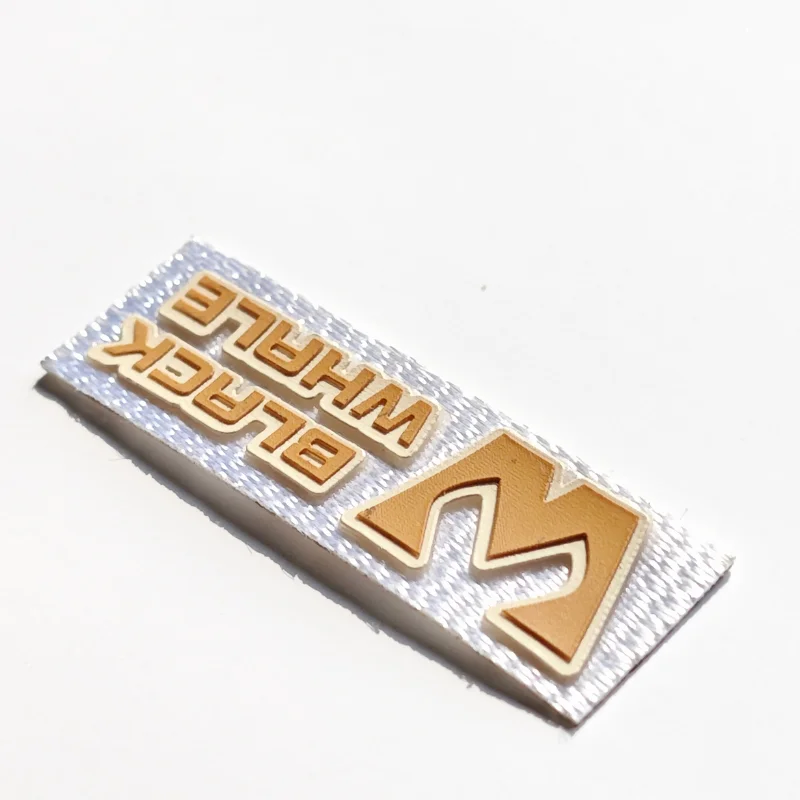
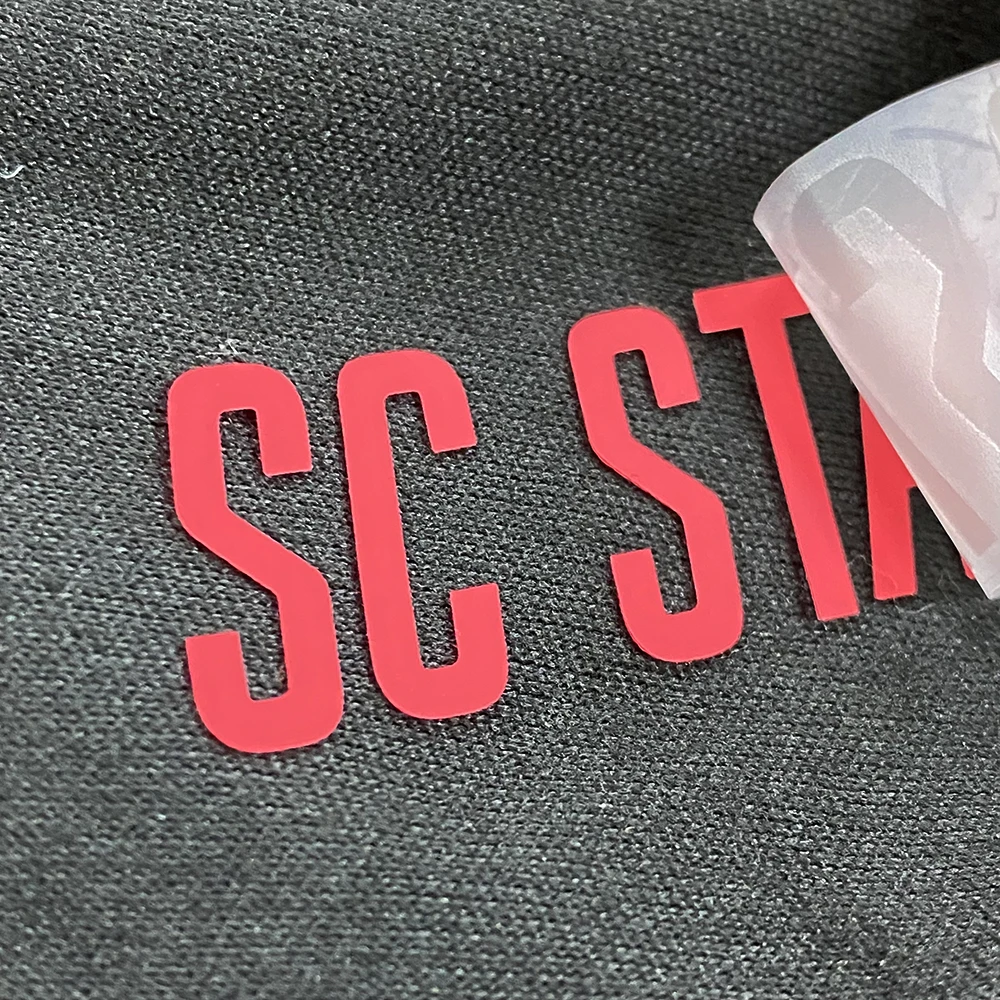
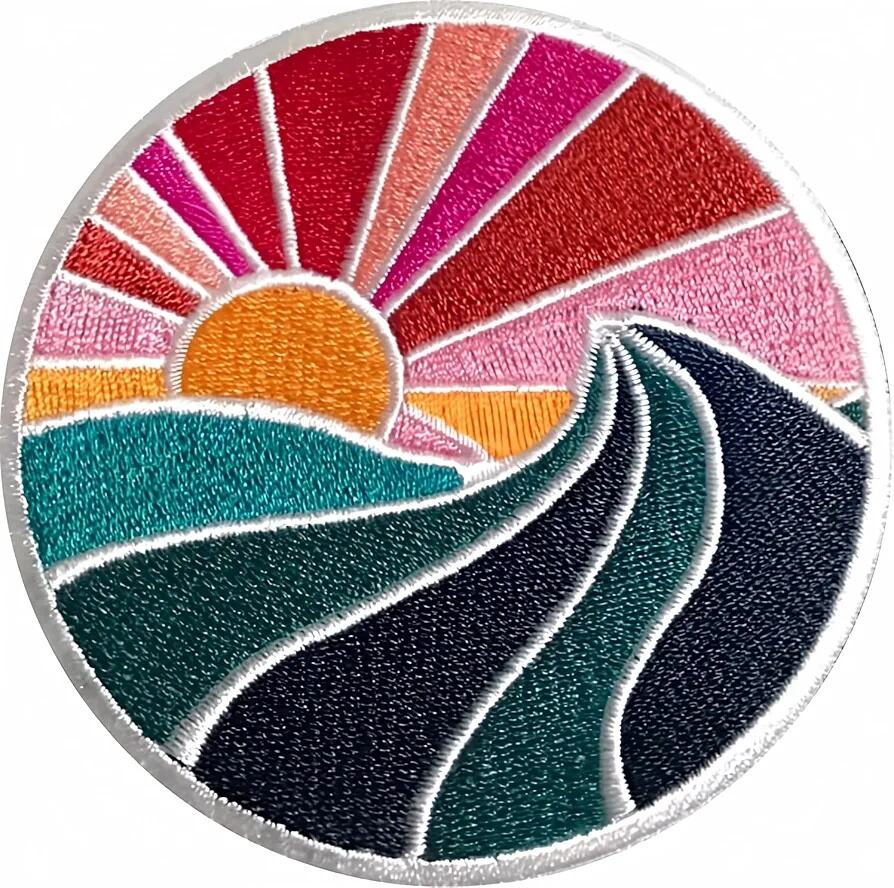
Embroidered patches represent a timeless and versatile embellishment technique that seamlessly merges traditional craftsmanship with modern technological advancements. These patches are meticulously crafted by stitching intricate designs onto a stable backing material, typically using high-grade polyester or rayon threads, which provide exceptional color vibrancy and resistance to fading. The fundamental manufacturing process involves sophisticated computerized embroidery machines that translate digital designs into precise stitch patterns, ensuring consistent replication across thousands of units. This technology enables the creation of highly detailed logos, complex graphical elements, and even three-dimensional textural effects through the strategic layering of stitches. A critical enhancement in contemporary production is the application of specialized heat-activated adhesives on the reverse side, facilitating straightforward thermal application to various garments and accessories. This fusion of aesthetic appeal and functional application makes embroidered patches immensely popular across numerous sectors. In the corporate environment, organizations utilize custom embroidered patches to reinforce brand identity on employee uniforms, promotional apparel, and corporate gifts, projecting an image of professionalism and attention to detail. Within the fashion industry, designers incorporate these patches as distinctive decorative elements on denim jackets, caps, backpacks, and footwear, enabling unique customization and limited-edition collections that resonate with consumer desires for individuality. The military and public services sectors rely heavily on embroidered patches for insignia, rank identification, and unit recognition, where durability, clarity, and colorfastness under demanding conditions are paramount. Furthermore, sports teams and educational institutions employ them for displaying achievements, membership identification, and fostering a sense of community and pride among participants. For optimal performance and longevity, several technical specifications must be considered during the design and ordering process. The density of stitches per square inch directly influences the patch's resolution and durability, with higher densities providing superior coverage and resistance to wear. The choice between merrowed or laser-cut edges affects both the aesthetic finish and the patch's ability to withstand repeated laundering and mechanical abrasion. Backing materials, such as durable plastic or flexible fabric, are selected based on the intended application surface and desired flexibility. Advanced production facilities now incorporate automated quality control systems that utilize high-resolution cameras to inspect each patch for stitching inconsistencies, color deviations, and adhesive coating uniformity, ensuring that every batch meets stringent quality standards. To explore the full potential of custom embroidered patches for your specific application and to receive detailed technical guidance, we encourage you to contact our specialist team for a comprehensive consultation and a precise quotation tailored to your project requirements.