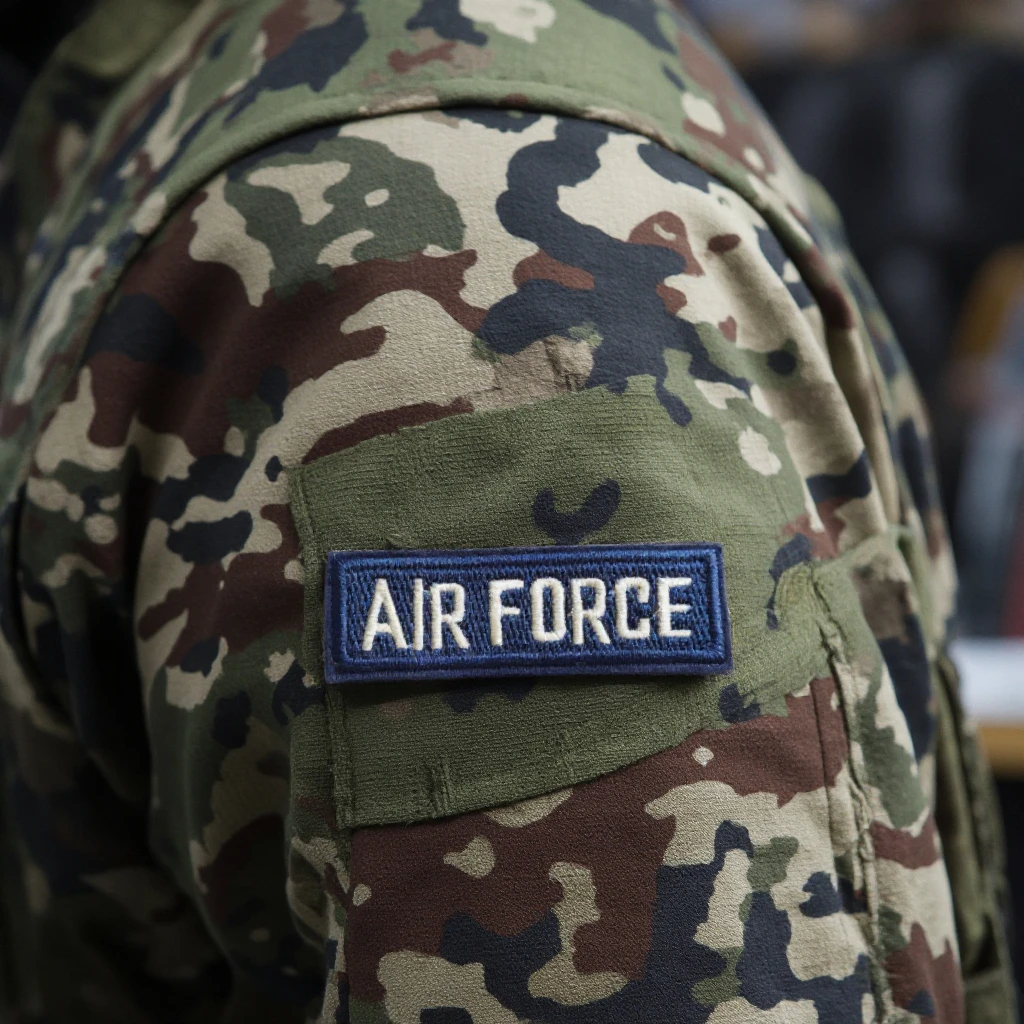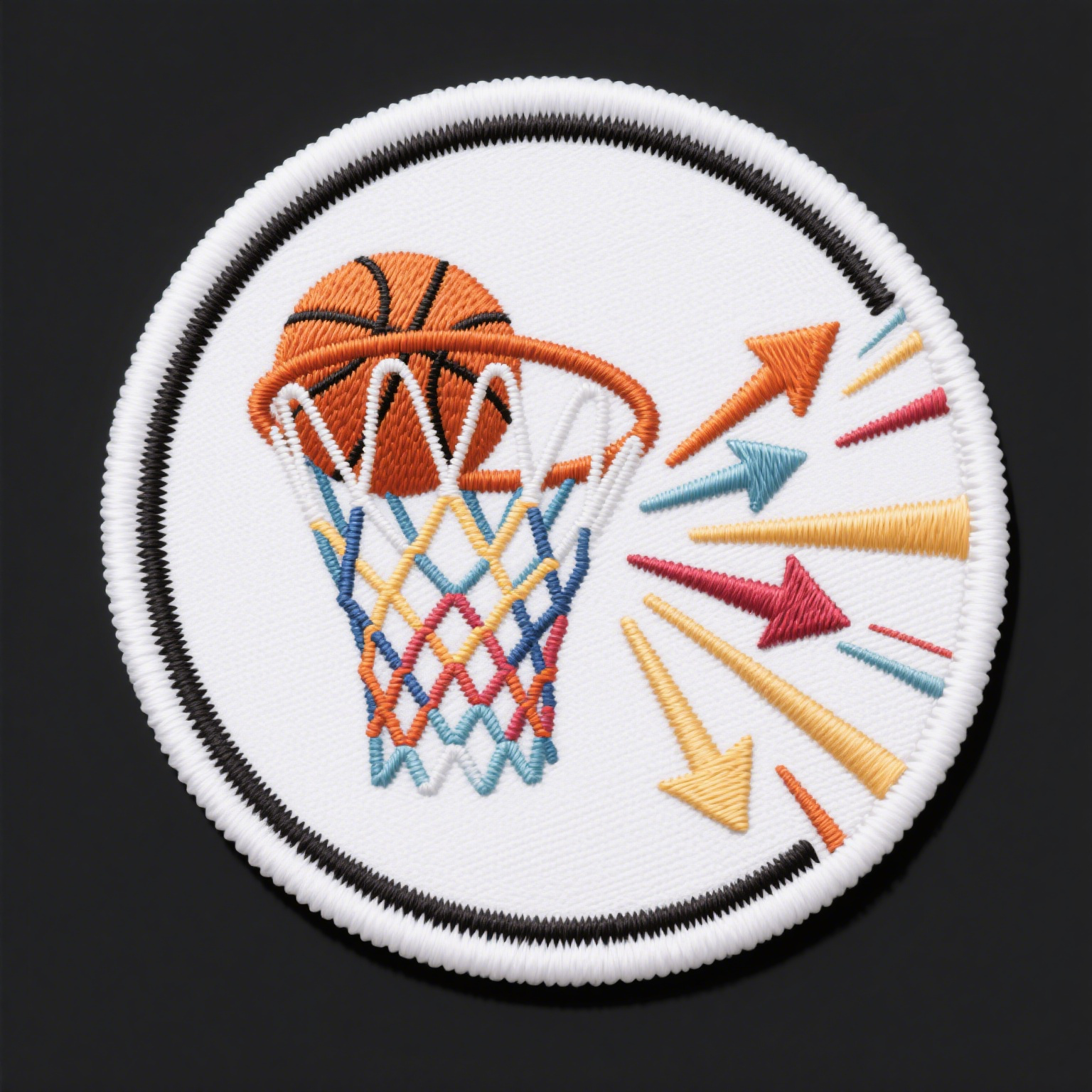
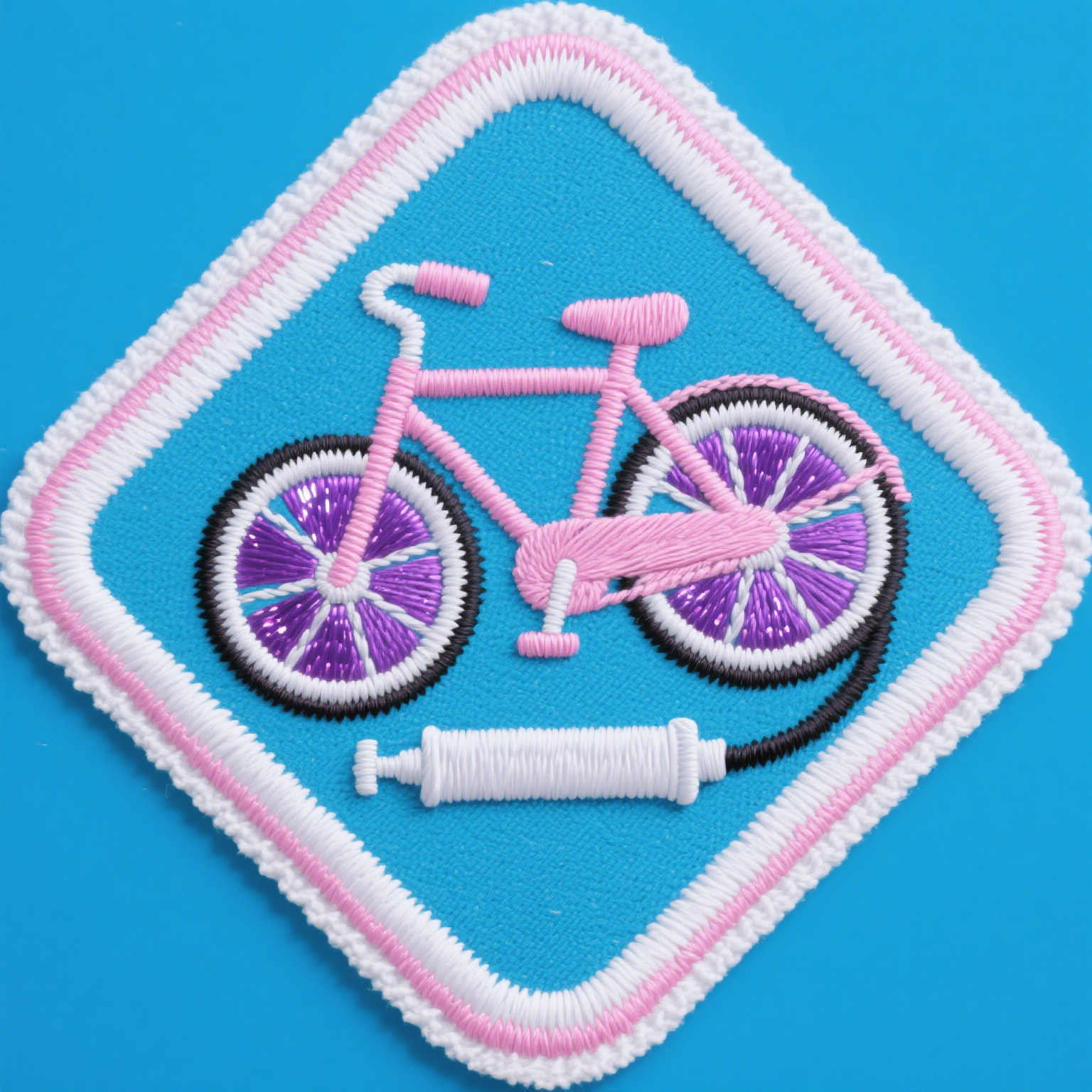
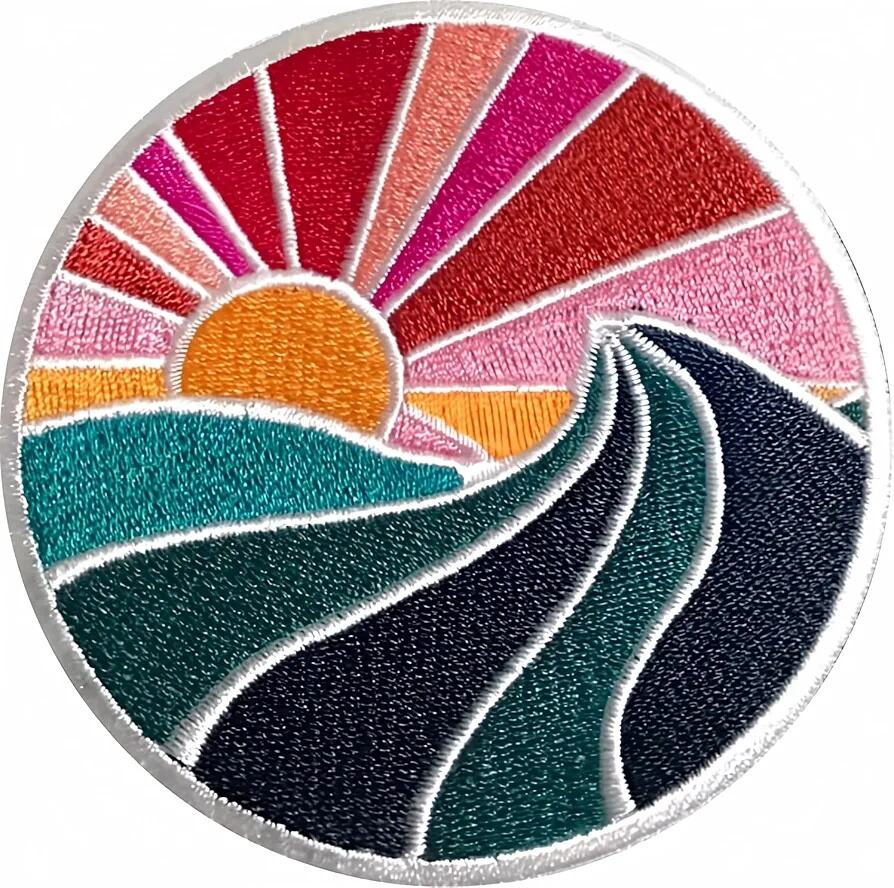
Embroidered patches are a cornerstone of textile decoration, prized for their durability, texture, and professional appearance. The creation process is a blend of digital design and physical manufacturing. The digital file, once created by the digitizer, contains a sequence of commands that tell the embroidery machine exactly where to move, what color thread to use, and what type of stitch to form. This file is often referred to as a .DST or .PES file, which are common formats in the industry. The production run is initiated by loading the digital file into the machine's memory and hooping the fabric with the appropriate stabilizer. The machine operator then starts the cycle, and the machine automatically proceeds through the color changes and stitching sequence. For large orders, the operator manages multiple machines, constantly reloading them with new blanks and monitoring for any issues. The economic model for embroidered patches involves a balance between setup costs and unit costs. The setup cost covers the time and expertise required for digitization and, if necessary, the creation of a cutting die. This is a one-time fee. The unit cost is then determined by the patch's size, stitch count, number of colors, and the total order quantity. As the order quantity increases, the setup cost is amortized over more units, reducing the price per patch. The commercial applications for embroidered patches are extensive. They are used for branding on corporate uniforms in industries such as hospitality, healthcare, and aviation. They are used for team identification in sports, from little league to professional leagues. They are used for recognition and reward in organizations like the military, scouts, and law enforcement. They are also a huge market in fashion and personal expression, with consumers applying them to everything from jeans and jackets to shoes and hats. To determine the most cost-effective and visually appealing approach for your embroidered patch needs, obtaining a professional quotation is an essential first step. For a prompt and detailed quote, please provide your design artwork, desired dimensions, approximate quantity, and any specific material requests to our quotation department.