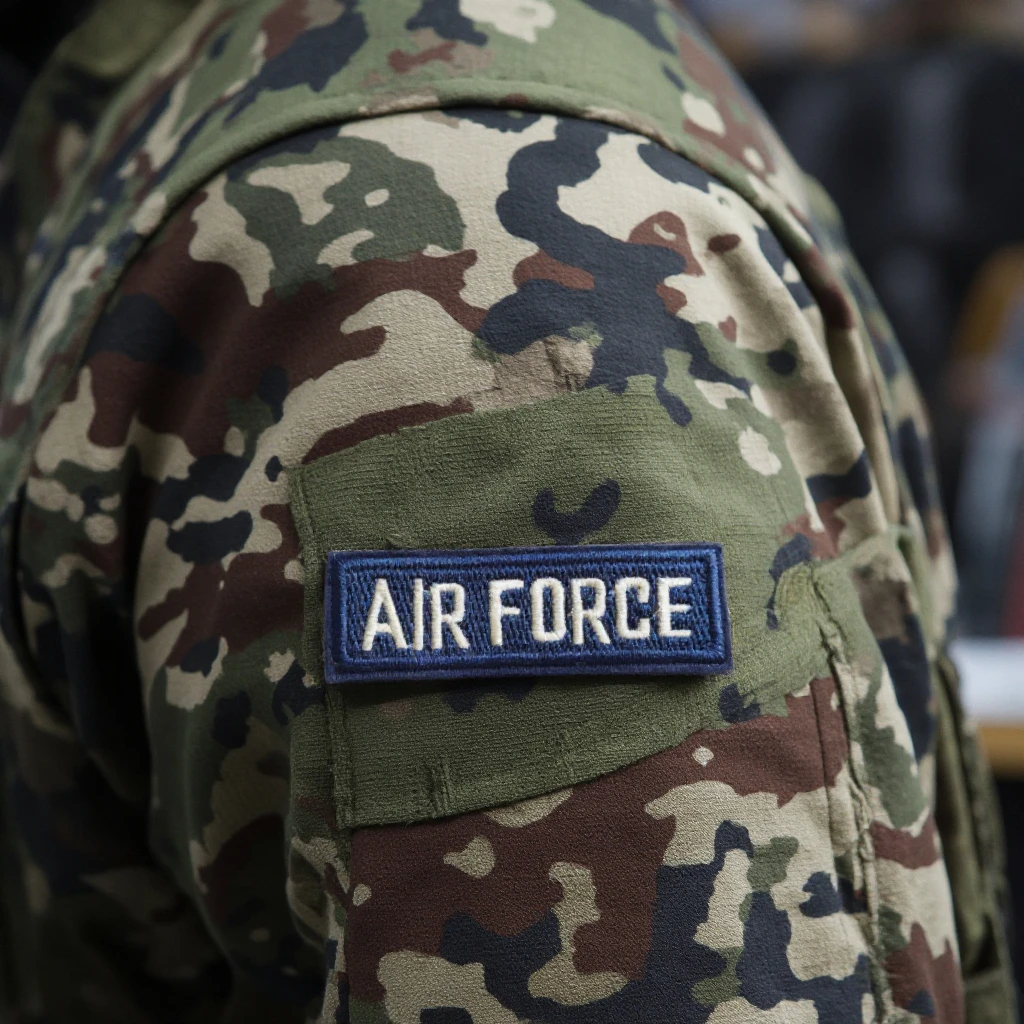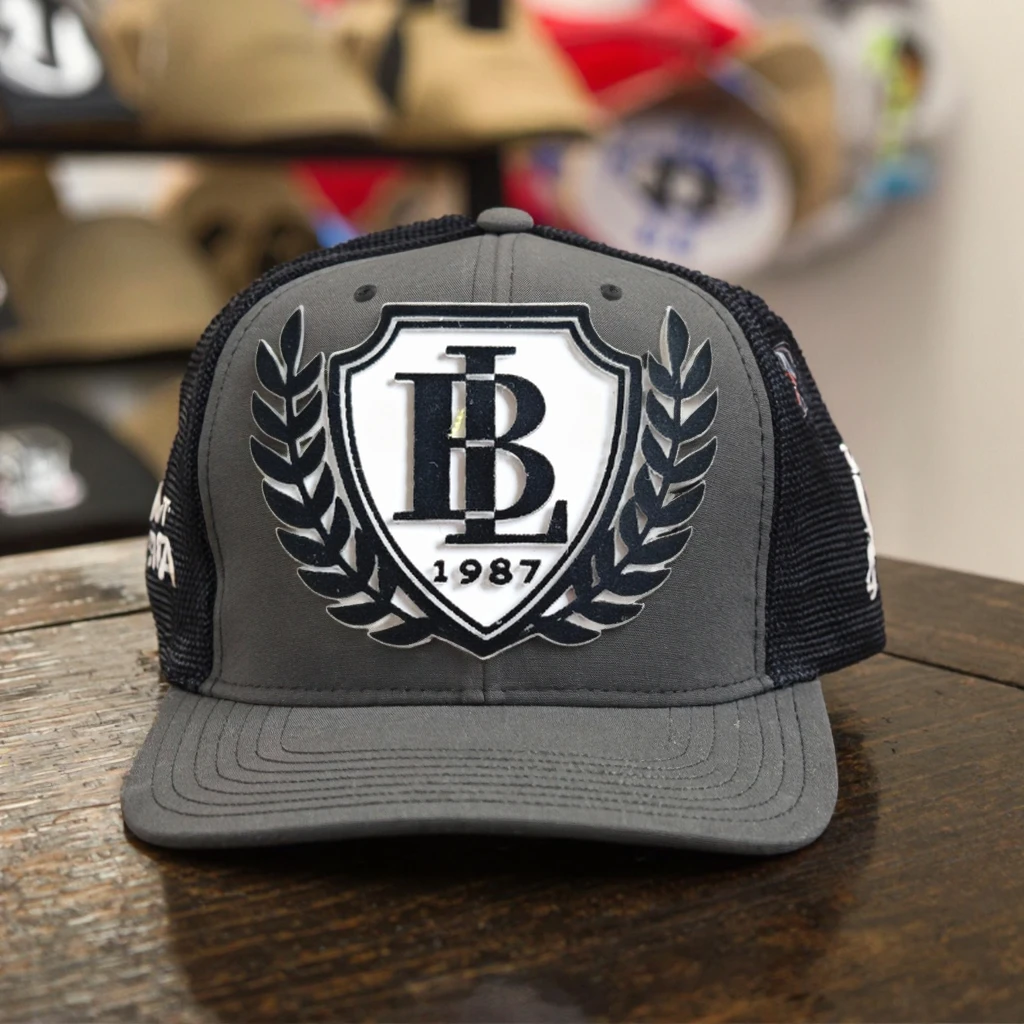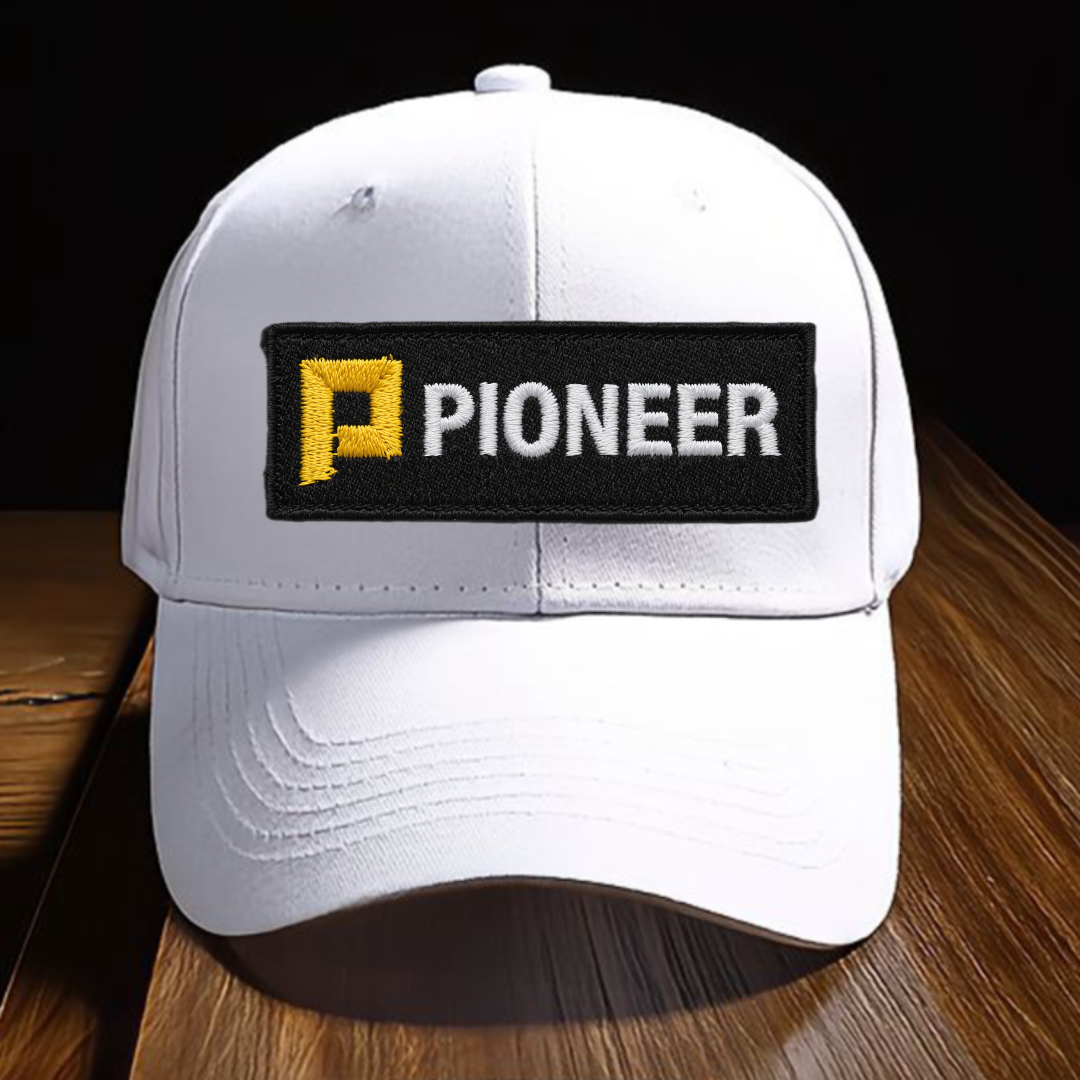
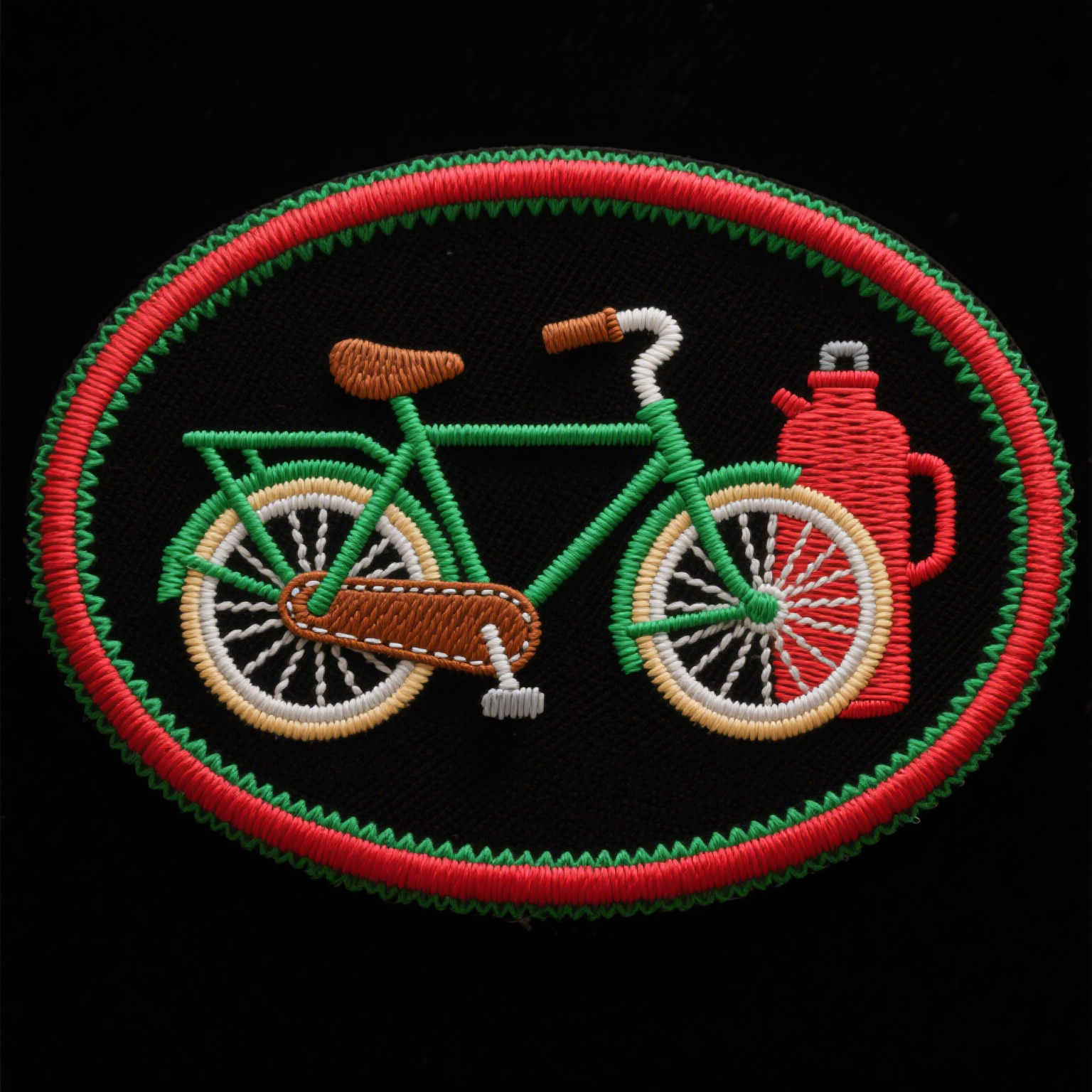


Embroidered patches offer a unique combination of tactile elegance and industrial strength, making them a preferred choice for permanent branding across diverse sectors. The journey from a digital image to a physical patch involves a specialized process called "punching," where an operator uses software to define every stitch. This includes specifying the stitch type (satin, fill, run), the stitch length, the stitch direction, and the order of operations. A well-punched design will have minimal thread jumps (where the machine moves without stitching), efficient color changes, and will be structured to minimize push and pull on the fabric. The production machinery is a significant investment. Multi-head embroidery machines represent the industry standard for bulk production, with each head capable of producing a separate patch. These machines are networked to a central computer that uploads the design files and monitors production progress. For cutting, besides lasers, high-precision hydraulic clicker presses with steel rule dies are used for high-volume orders of standard shapes, as they offer speed and consistency. The application of the patch is the final critical step. For heat-seal patches, a commercial-grade heat press is recommended over a household iron, as it provides even pressure and precise temperature control across the entire platen. The garment care label should always be consulted to ensure the application temperature does not exceed the fabric's tolerance. For items that will be subjected to extreme conditions, such as military uniforms or outdoor gear, sewing the patch on in addition to (or instead of) heat sealing provides an extra layer of security. The market for embroidered patches is global and fragmented, serving clients from small Etsy shops to Fortune 500 companies. This has led to a high degree of specialization among manufacturers, with some focusing on the fashion market, others on military contracts, and still others on promotional products. To identify the right manufacturing partner for your needs and to gain a clear understanding of the associated costs and timelines, we recommend contacting multiple suppliers for quotations. For a detailed and competitive quote from our facility, please provide your design and quantity requirements to our sales team, who will respond promptly with a comprehensive proposal.