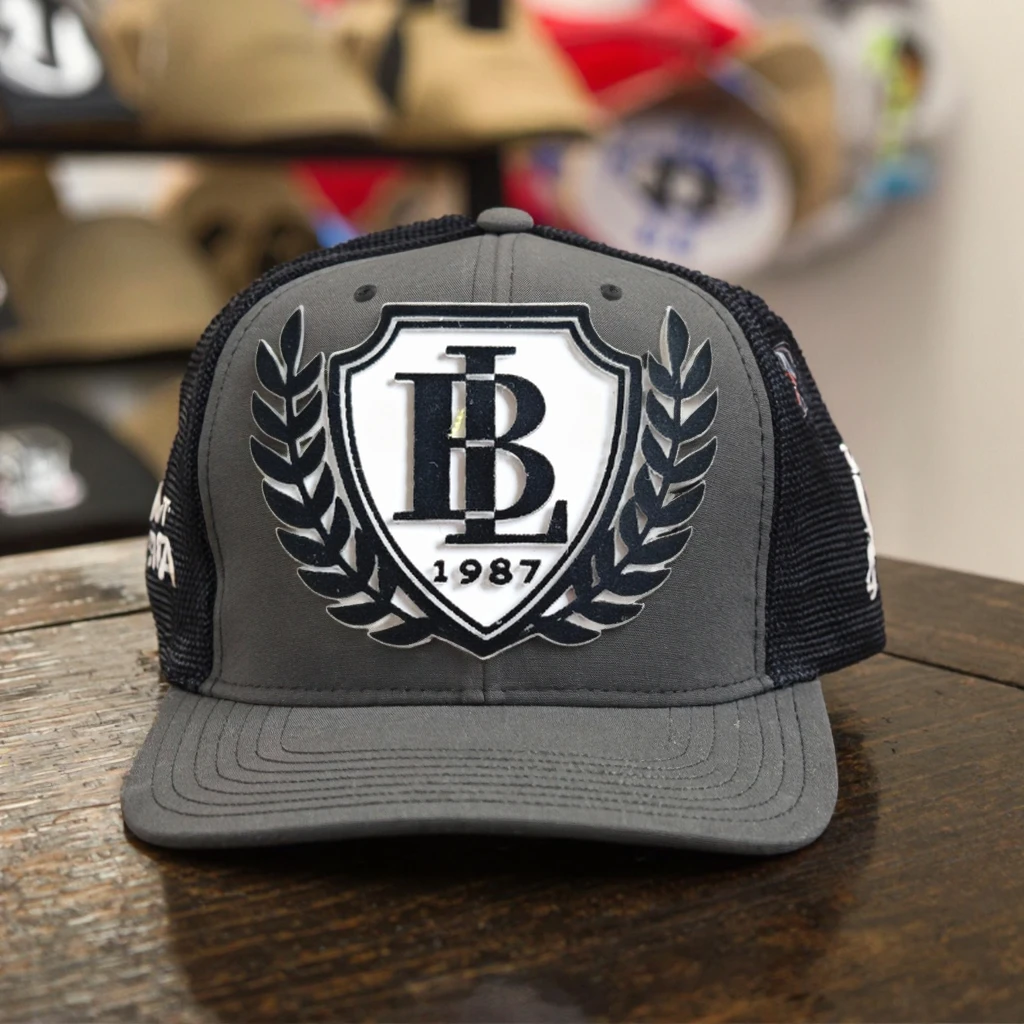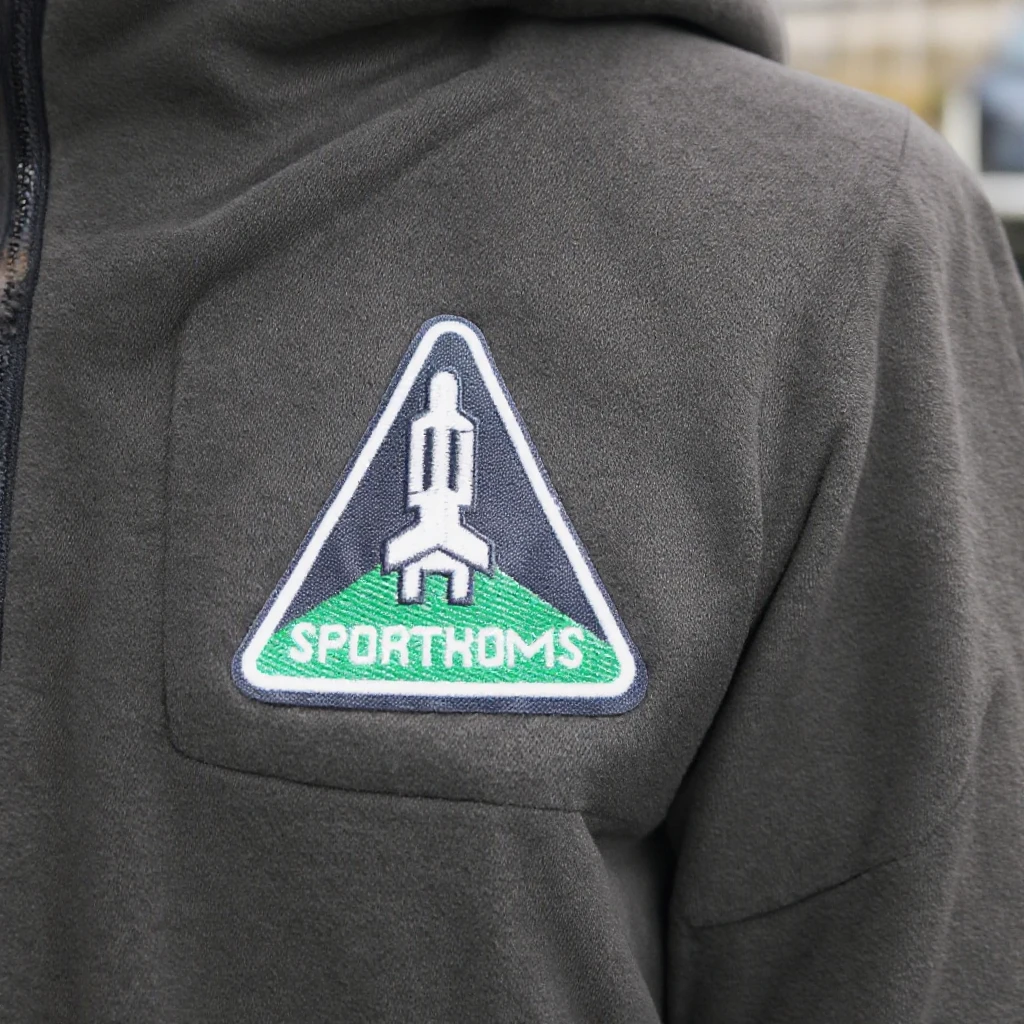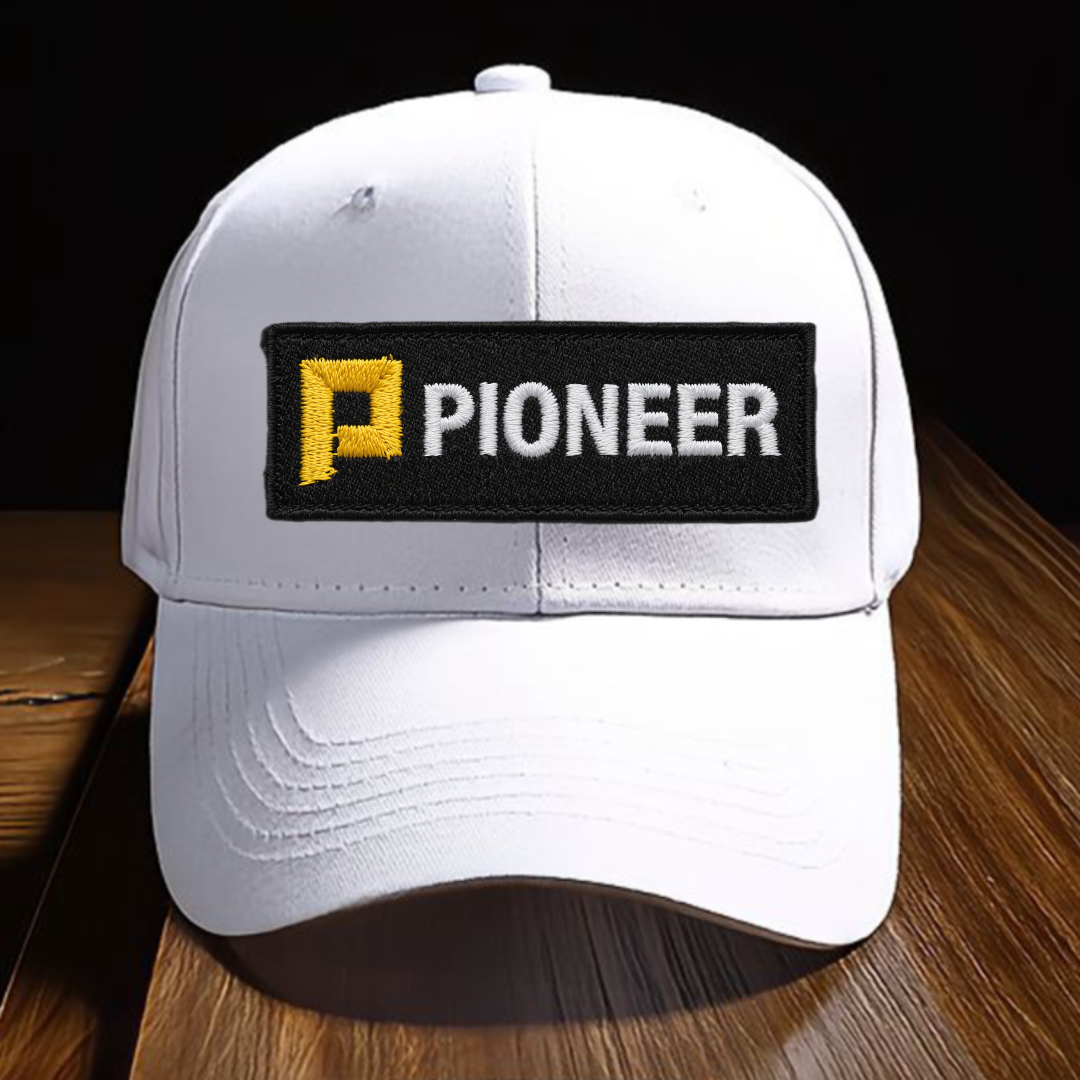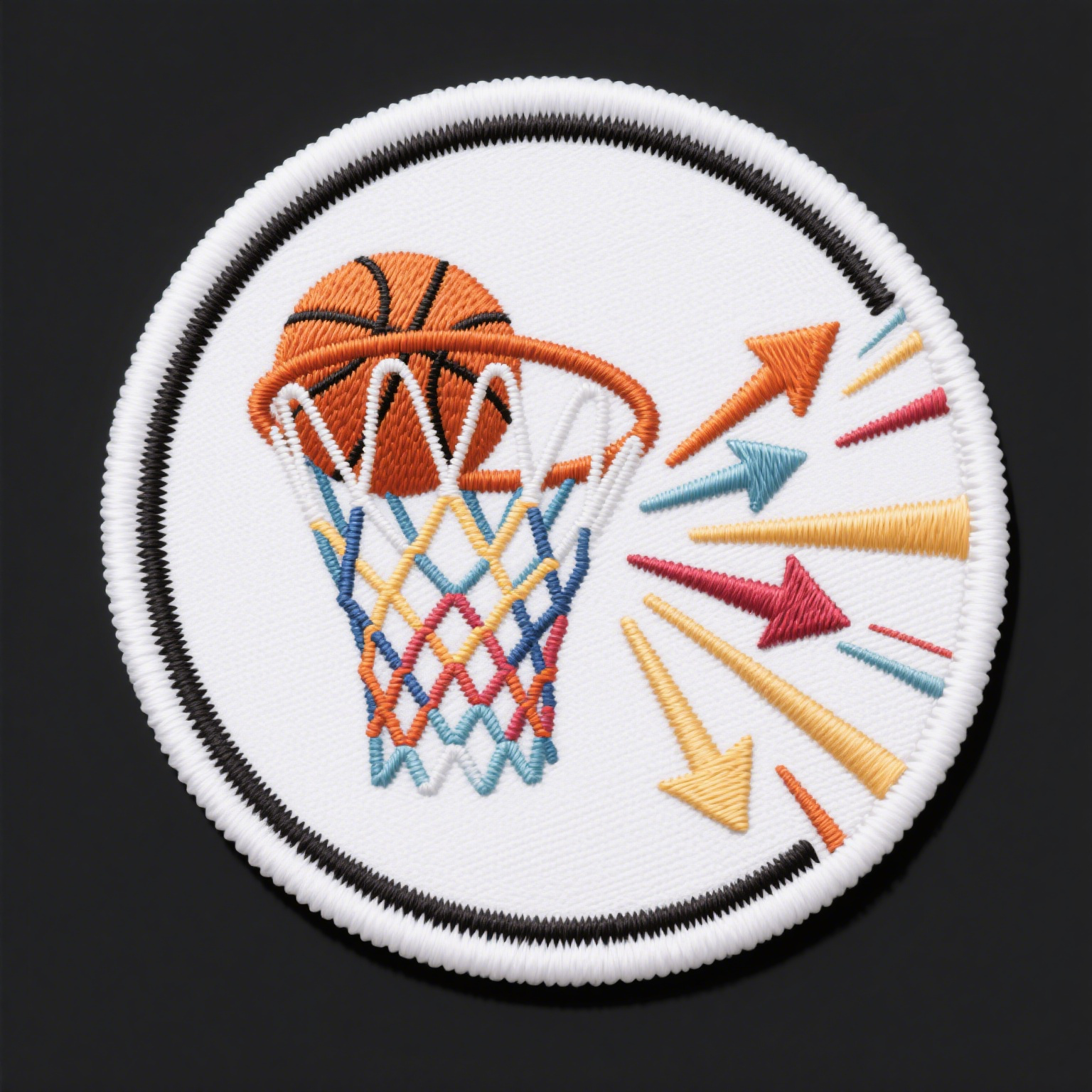


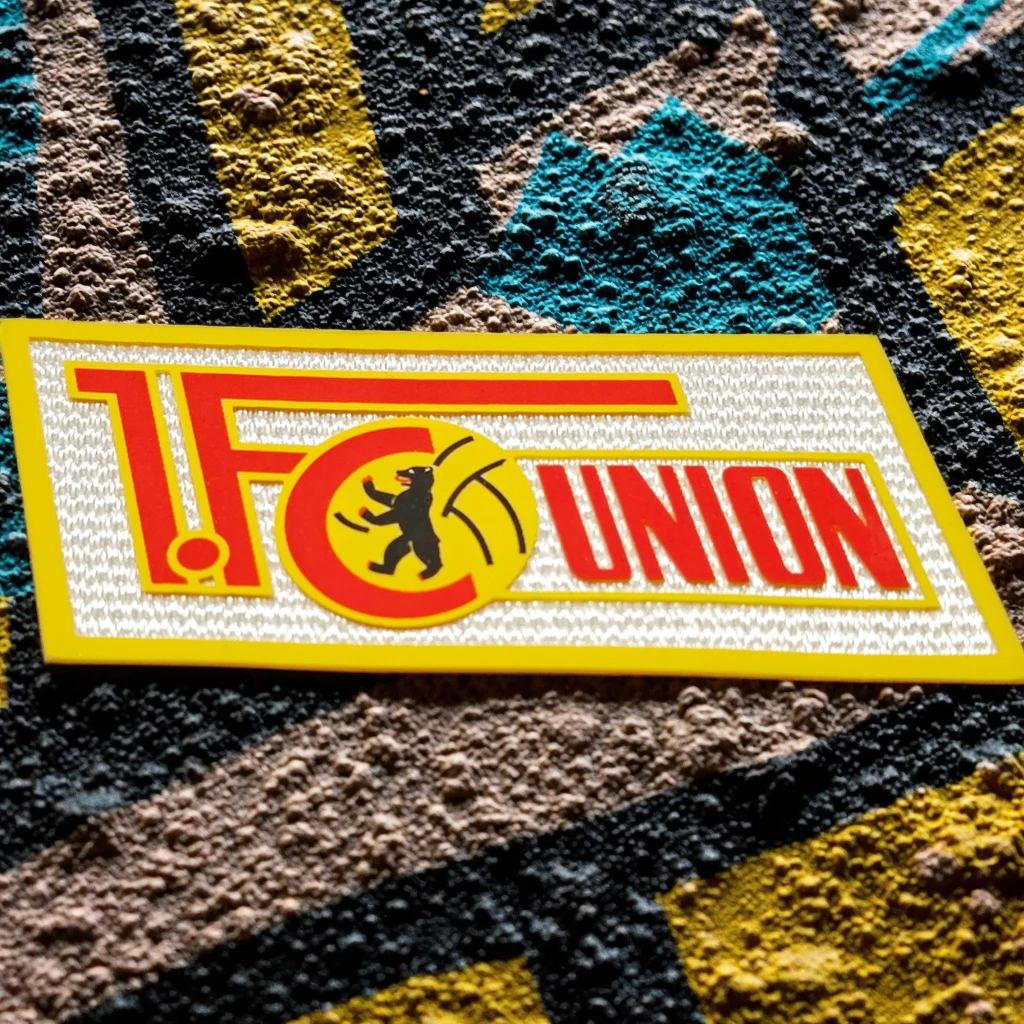
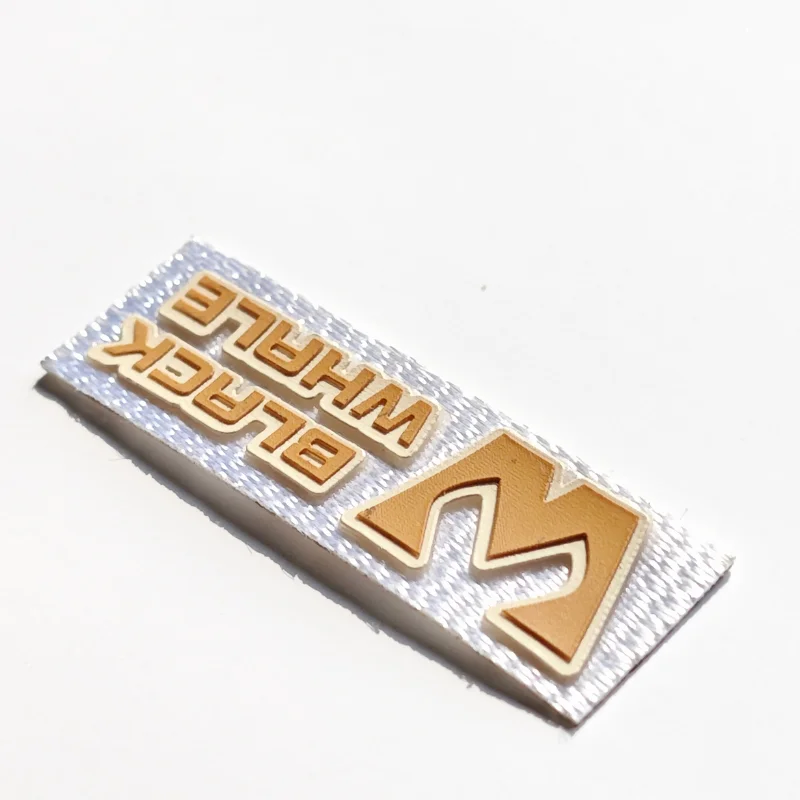
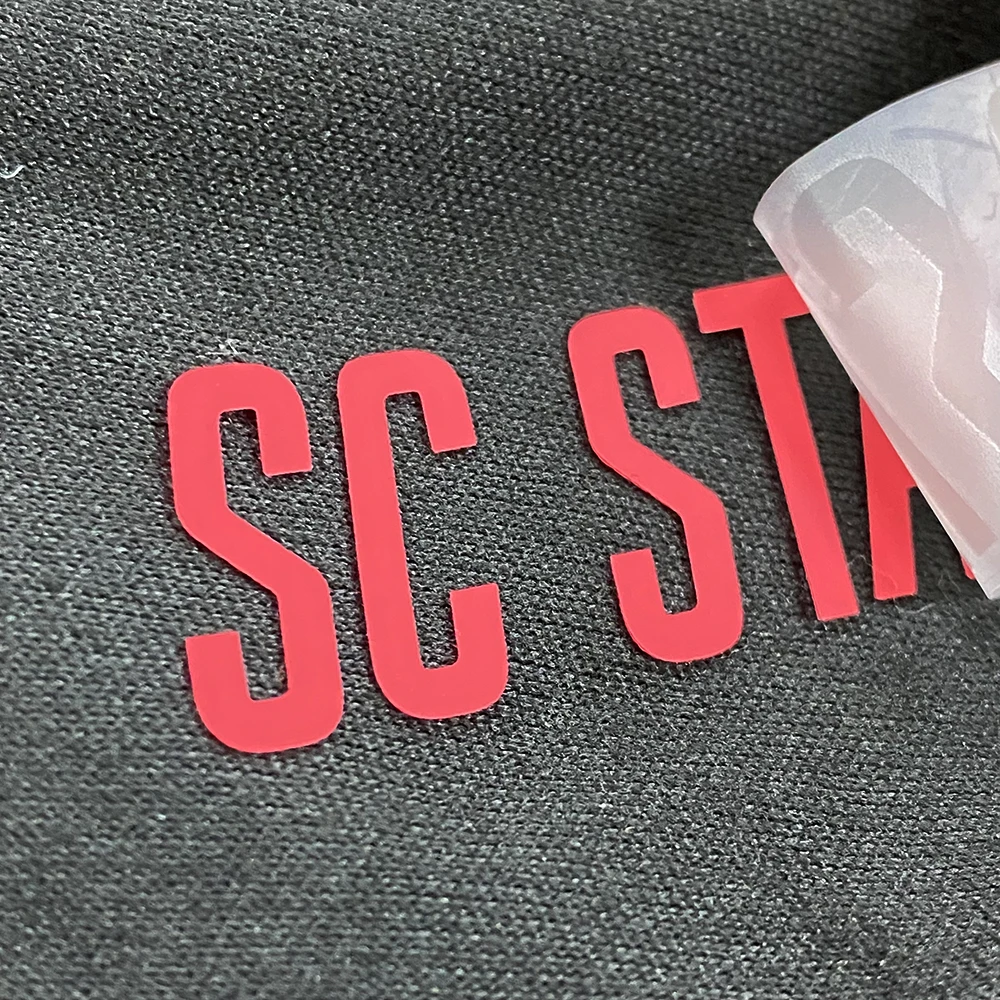

The aesthetic and functional appeal of embroidered patches is largely determined by the technical execution of the embroidery process and the quality of materials employed. A fundamental aspect is the digitization process, where a two-dimensional design is converted into a set of commands that an embroidery machine can execute. This involves defining stitch types—such as satin stitches for borders and text, fill stitches for large areas, and running stitches for fine details—and their respective angles and densities. Poor digitization can lead to issues like thread breaks, poor coverage, and design distortion. Therefore, partnering with a manufacturer that possesses advanced digitization capabilities and experienced technicians is crucial for a successful outcome. The physical application of the patch onto a garment is another area where technology has made significant strides. Automated patch-setting machines can now precisely position and apply heat and pressure to attach patches onto pre-defined locations on garments at high speeds, a vital capability for large-scale uniform producers. This automation ensures consistent placement and bond strength across thousands of garments, a level of uniformity difficult to achieve with manual methods. Beyond apparel, embroidered patches are applied to a diverse range of substrates, including leather goods like handbags and wallets, heavy-duty canvas for tents and tactical equipment, and even corporate gifts like laptop bags and portfolios. The adhesion process for these non-standard materials often requires customized temperature and pressure settings, and in some cases, the development of specialized adhesive formulations. The longevity of an embroidered patch is a direct function of its construction. A high stitch density, combined with superior quality threads and stabilizers, results in a patch that can endure over 50 industrial wash cycles, making it a permanent part of the garment. For clients interested in exploring the full range of possibilities, including the integration of embroidered patches with other technologies like RFID tagging for inventory management or smart fabrics, we offer dedicated R&D support. To initiate a conversation about these advanced applications and to receive specific information regarding their implementation and cost, please contact our innovation team directly.