EN
EN



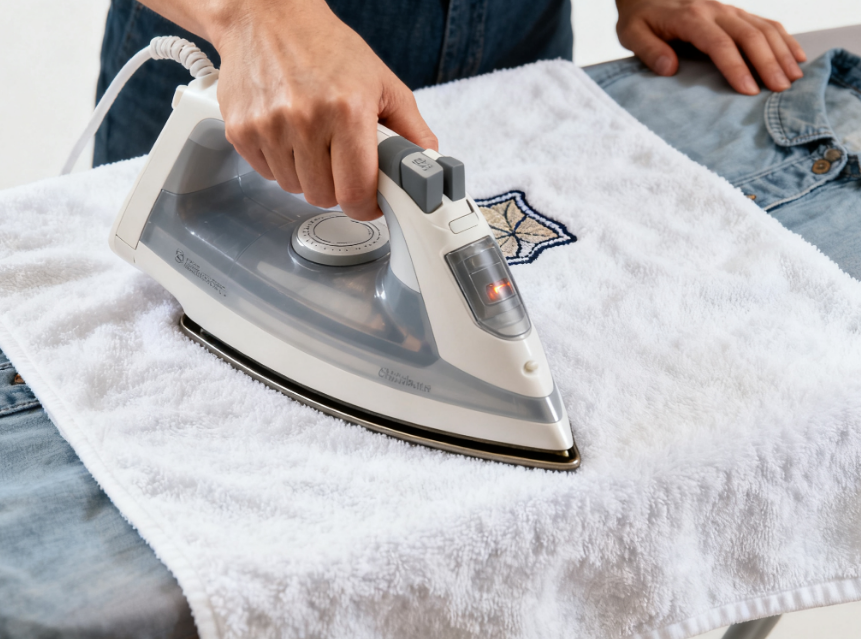
Heat-Activated Adhesive Mechanism in Iron-On Patches
Iron-on patches bond to fabrics through thermoplastic polymer layers that activate at specific temperatures (typically 300–350°F). When heated, this adhesive liquefies and penetrates fabric fibers, re-solidifying upon cooling to create a semi-permanent bond. The process requires no sewing and works best on stable materials like cotton or denim.
Key factors for success:
- Even heat distribution across the patch surface
- Direct contact between the adhesive layer and fabric substrate
- Activation within the polymer’s glass transition temperature range
Fabric Preparation and Compatibility for Iron-On Adhesives
Pre-treat fabrics by washing (without fabric softeners) and ironing to remove wrinkles or coatings that hinder adhesion. While cotton and denim achieve high bond retention rates, avoid synthetics like nylon or rayon, which often melt or warp under high heat.
| Fabric Type | Adhesion Success Rate | Max Safe Temperature |
|---|---|---|
| Cotton | 95% | 400°F |
| Denim | 90% | 375°F |
| Polyester | 75% | 350°F |
Temperature, Pressure, and Curing Requirements for Durable Adhesion
Household irons should maintain 30–45 seconds of direct pressure at 350°F for most patches. Industrial heat presses yield stronger bonds by delivering 15 PSI pressure at 320°F for 20 seconds. After application, allow 24 hours for full adhesive crystallization before washing.
Cooling and Bond Testing After Application
Let patches cool to room temperature undisturbed (10–15 minutes). Test adhesion by gently lifting edges with a fingernail—properly bonded patches show no lifting. If edges detach, reapply heat for 10-second intervals with a pressing cloth until secure.
Preparing Materials and Fabrics for Patch Application
Proper surface preparation before applying iron on patches
Begin by washing and drying your garment to remove chemical residues or fabric softeners that hinder adhesion. Iron the area flat, removing wrinkles that create air pockets. Use isopropyl alcohol to eliminate oils from high-contact zones like collar edges or bag straps.
Recommended fabrics for optimal iron-on patch adhesion
These materials work best with heat-activated adhesives:
- Medium/heavyweight cotton (t-shirts, jackets)
- Denim (jeans, overalls)
- Polyester blends (uniforms, athletic wear)
- Canvas (tote bags, aprons)
Always verify fabric content via clothing care labels – synthetic percentages above 65% may require adjusted heat settings.
Avoiding common fabric incompatibilities with heat-activated adhesives
Heat-sensitive fabrics like rayon or nylon melt at standard ironing temperatures (300°F/149°C). Moisture-wicking athletic materials often have coatings that repel adhesives. For delicate fabrics or waterproof gear, consider hybrid attachment methods: apply minimal heat for temporary positioning, then reinforce edges with fabric glue or stitching.
Step-by-Step Guide to Applying Iron-On Patches
Correct Placement and Alignment of Patches
Put the clothing item down flat on something that can handle heat, maybe an old ironing board works best. Get out a ruler or measuring tape to make sure that patch is centered just right. Trust me, even if it's off by a little bit less than half an inch, people will spot it once it's actually applied. Give the patch a gentle tap with your finger to see how it sits. If it moves around at all, adjust its position until it stays put without sliding when touched. Most patches stick pretty well once they find their sweet spot.
Iron-On Patch Application: Household Irons vs. Heat Press Machines
Regular household irons can handle quick fixes around the house, though they just don't match up to what professional heat press machines offer when it comes to consistent pressure. For best results, turn that iron up to about 320 degrees Fahrenheit medium high setting and really press down for somewhere between twenty to thirty seconds. Move it in circles slowly across the area, kind of like how those big industrial machines spread out the pressure evenly. The real advantage of heat presses lies in their ability to stick things together better because they distribute heat so uniformly. But here's the catch they need temperature adjustments depending on how thick or thin the fabric actually is.
Using Protective Layers Like Parchment Paper or Cloth During Ironing
When working with patches, it's best practice to cover both sides with parchment paper or maybe even an old cotton cloth to keep things from getting scorched. What this does is focus all that heat right where it needs to go - on the glue part - instead of letting it melt those delicate embroidery threads we so carefully stitched there. If dealing with synthetics such as polyester though, throw in another layer of protection just to be safe. And don't leave that iron pressing down for too long either; around 15 seconds max should do the trick without causing any unwanted warping effects. Give everything plenty of time to cool off fully before trying out how strong that bond actually is between fabric and patch.
Optimizing Heat, Pressure, and Curing for Long-Lasting Results
Recommended Temperature and Time Settings for Ironing Patches
Proper thermal management ensures activation of the patch’s adhesive layer without damaging fabrics. For most synthetic adhesives, optimal bonding occurs between 300–350°F (149–177°C) applied for 30–60 seconds. Cotton and polyester blends typically require 20–30 seconds at 320°F (160°C), while heat-sensitive materials like nylon need reduced temperatures below 285°F (140°C).
Applying Consistent Pressure for Uniform Adhesion
Distribute 15–20 lbs of downward force across the entire patch surface using a household iron. For curved surfaces like caps, apply targeted pressure to edges first. Industrial heat presses outperform standard irons, delivering 25% stronger adhesion through calibrated pressure systems.
Common Mistakes in Heat and Pressure Settings and How to Avoid Them
Three frequent errors compromise results:
- Overheating (above 375°F/191°C): Melts adhesives into fabric fibers, causing residue buildup
- Insufficient preheating: Fails to activate thermoset polymers in modern patches
- Intermittent pressure: Creates weak zones where edges lift prematurely
Completing the Curing Process After Initial Ironing
Allow 24-hour curing before washing or stretching garments. Test bond strength by gently lifting opposing edges—successful adhesion resists separation with moderate finger pressure. Post-curing heat cycles (10 seconds at 300°F/149°C) reinforce molecular bonds for heavy-use items.
Caring for Garments with Iron-On Patches After Application
Cooling Period and Initial Bond Strength Testing
Once those iron-on patches are applied, give them time to cool down fully, around 15 to 20 minutes works best. The cooling period lets the heat activated glue really set in and form a strong hold. To check if it's sticking properly, try gently tugging at the corners. If it starts moving around, just put some heat back on it with a cloth between the iron and patch for about half a minute. Don't rush things though. Washing clothes or actually wearing them while the glue is still setting can ruin all the work. Most people find their patches last much longer when they wait patiently through this drying process.
Washing and Maintenance Tips to Extend Patch Longevity
To preserve iron-on patch integrity:
- Wash garments inside-out on cold cycles (below 30°C/86°F) to minimize adhesive stress
- Skip fabric softeners and bleach, which degrade thermal adhesives
- Air-dry instead of machine-drying—high heat reactivates glue unevenly
- Iron around (never directly on) patches using medium heat if pressing is necessary
Proper care helps maintain bond strength through 20+ wash cycles, outperforming standard heat-seal applications in durability tests.
FAQ
Can iron-on patches be applied to all fabric types?
No, iron-on patches work best on stable materials like cotton and denim. Avoid using them on synthetics such as nylon or rayon, as these fabrics may melt or warp under high heat.
How can I ensure a patch sticks properly?
Apply even heat distribution across the patch surface, ensure direct contact between the adhesive layer and fabric substrate, and activate within the polymer's glass transition temperature range. Always test adhesion by gently lifting edges to check proper bonding.
What's the best way to maintain garments with iron-on patches?
Wash garments inside-out on cold cycles, avoid fabric softeners and bleach, and air-dry instead of machine drying to preserve patch integrity. Proper care helps maintain bond strength through multiple wash cycles.
Table of Contents
- Heat-Activated Adhesive Mechanism in Iron-On Patches
- Fabric Preparation and Compatibility for Iron-On Adhesives
- Temperature, Pressure, and Curing Requirements for Durable Adhesion
- Cooling and Bond Testing After Application
- Preparing Materials and Fabrics for Patch Application
- Step-by-Step Guide to Applying Iron-On Patches
- Optimizing Heat, Pressure, and Curing for Long-Lasting Results
- Recommended Temperature and Time Settings for Ironing Patches
- Applying Consistent Pressure for Uniform Adhesion
- Common Mistakes in Heat and Pressure Settings and How to Avoid Them
- Completing the Curing Process After Initial Ironing
- Caring for Garments with Iron-On Patches After Application
- FAQ