EN
EN


Understanding Embroidered Hat Patches and Their Custom Design Potential
What Are Embroidered Patches and Why They Dominate Custom Hat Design
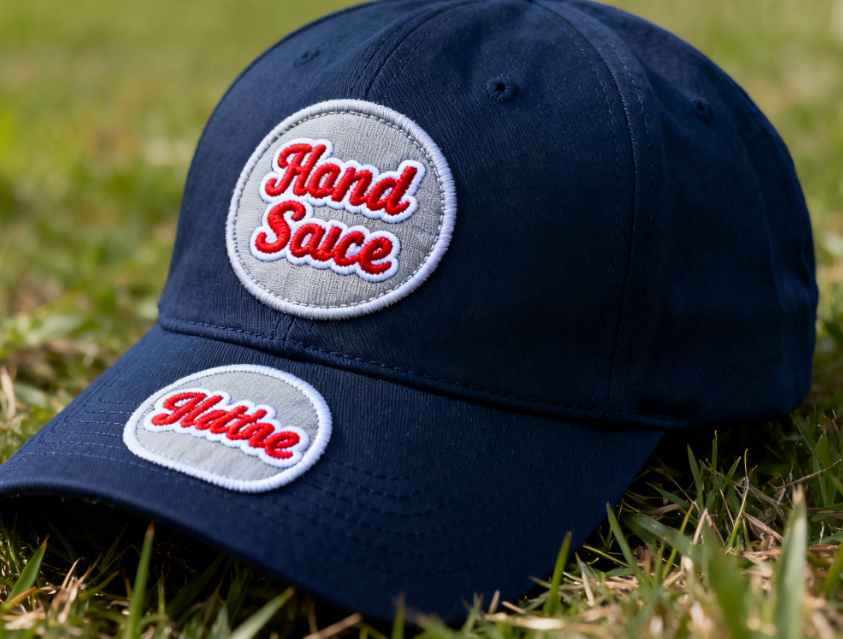
Embroidered hat patches basically consist of fabric designs made by sewing colored threads onto some tough backing material, which creates those nice raised textures that work great for logos or other artwork. A lot of people prefer these patches when designing custom hats because they feel good and look professional. According to a recent survey by PPAI in 2023, almost all promotional product buyers (like 97%) say embroidery is still their top choice for decorating headwear. The thick stitching on these patches doesn't fray easily either, so they hold up really well on those curved hat surfaces that get used every day.
How Custom Patch Options for Hats Enhance Brand Identity and Personalization
When it comes to custom embroidery, regular hats get turned into real brand statements. The process uses color matched threads that hit those exact Pantone colors companies want for their logos. Logos can range from small 1.5 inch monograms right up to bigger 4 inch designs featuring detailed mascots. Special edge treatments like merrowed borders keep everything intact even after multiple washes in the machine. For places like local coffee shops or school sports teams, this kind of customization means they can keep their look consistent on all sorts of gear and apparel. Customers start to recognize those colors and designs everywhere they go, which makes the brand stick out more over time.
Embroidered vs. Woven vs. PVC Patches: Best Types for Hat Applications
| Feature | Embroidered | Woven | PVC |
|---|---|---|---|
| Detail Capacity | Medium (100-8,000 stitches) | High (micro-text) | Low (solid shapes) |
| Texture | 3D raised surface | Flat, smooth finish | Glossy, plastic-like |
| Durability | 50+ industrial washes | 30-40 washes | Weatherproof |
| Best For | Curved cap fronts | Flat hat panels | Outdoor/adventure hats |
Embroidered styles dominate curved baseball caps due to their ability to conform to contours, while woven patches suit flat-brimmed hats requiring fine detail. PVC is best reserved for all-weather performance gear but lacks breathability and softness.
Top Embroidered Patch Styles Ideal for Custom Hats
Selecting the right patch style influences brand perception while balancing aesthetics and functionality. Three dominant styles stand out for promotional caps, corporate uniforms, and fashion headwear.
Standard Embroidered Patches: Versatility and Popularity in Custom Designs
According to the Textile Branding Trends Report from 2023, around two-thirds of all custom hats feature those standard embroidered patches we see everywhere these days. What makes them so popular? Well, they work pretty well on almost any material and can be designed in countless ways. The actual patches themselves are made with tightly stitched polyester threads that bring logos, words, or pictures to life with neat edges and some nice shading effects too. Because they're so flat, these patches stick to curved surfaces like baseball caps and beanies without looking out of place. Even when tiny, say about 1.5 inches across, most people can still make out what's printed there without squinting too hard.
3D Puff Embroidered Patches: Adding Depth and Texture to Hat Branding
Chenille Patches: Vintage Appeal and Durability for Caps
Key Design Considerations for Custom Embroidered Hat Patches
Optimal Size and Shape for Embroidered Patches on Hats
Detail Level Limitations: Thread Count and Stitch Precision in Embroidery
Embroidery machines handle up to 12,000 stitches per square inch for optimal clarity. Text below 0.2" tall becomes illegible, and photorealistic gradients require advanced techniques like thread blending. Designers must balance complexity with practicality:
| Design Element | Minimum Viable Size | Recommended Thread Colors |
|---|---|---|
| Logo Text | 0.3" height | 3 colors for 1" letters |
| Fine Lines | 0.15" width | High-contrast pairings |
| Iconographic Elements | 0.5" diameter | 5 colors per element |
Color Selection and Palette Constraints in Custom Embroidered Logo Patches
Most thread libraries offer 150–200 colors, but logos exceeding eight colors increase production costs by 25–35%. Pantone-matched threads ensure brand consistency, though metallic and neon shades often require additional understitching for stability. A strategic approach uses 3–5 primary colors with high-contrast outlines to enhance depth and readability.
Minimalist vs. Intricate Designs: Balancing Aesthetics and Wearability
Simple designs with fewer than five colors and strong shapes tend to keep their colors looking fresh after about fifty industrial washes, according to recent studies in textile engineering from last year. Complex patterns might look great at first glance but require some serious streamlining for practical use. Most designers suggest cutting out any details smaller than a tenth of an inch since these tiny features just don't hold up well over time. A lot of fashion companies are going for this mixed approach nowadays where there's a fancy main design surrounded by clean, simple borders made of basic shapes. This lets them stay creative without sacrificing how long the garment will actually last before it starts to fade or wear down.
Proper Placement and Application Methods for Hat Patches
Front, Side, or Back? Strategic Patch Placement on Caps and Hats
Where something gets placed makes a real difference in how visible it is and what it does. Putting things on the front gives maximum brand exposure and works great for main logos. The sides are good spots for secondary stuff we want people to notice but not necessarily focus on first. Back placements tend to be better for special edition items or when someone wants to make a strong statement about their style. According to research from last year on headwear comfort, around two-thirds of professionals actually like having patches facing forward at work because they need to be recognized quickly without turning around all the time.
Iron-On vs. Sew-On Patches: Comparing Ease and Longevity
Iron-on patches offer a quick, DIY-friendly solution using household tools, making them suitable for temporary or seasonal campaigns. Sew-on patches provide superior longevity, surviving 50+ industrial washes (Ponemon 2023). Premium brands often combine methods–applying heat-activated adhesive first, then reinforcing edges with stitching for lasting hold on high-end headwear.
Velcro and Adhesive-Backed Patches: Reusability vs. Permanent Attachment
Patches with Velcro backing make it simple to switch them out on different hats, something we're seeing more of lately in sports franchises and corporate training programs that need their logos to stay fresh without buying new gear every season. The sticky stuff works pretty well on round surfaces for a while, though most folks find it starts to slide loose after maybe ten or fifteen times of taking it off and putting it back on again. For places where things get really rough, like construction zones where hats take constant punishment, many companies go with a combo approach these days. They'll slap on some heavy-duty glue around the edges and then sew the patch down too just to be extra sure nothing falls off mid-job when someone needs visibility.
Material Compatibility and Future Trends in Custom Hat Patches
Matching Patch Backing to Hat Fabrics: Cotton, Polyester, and Blends
The kind of fabric makes all the difference when it comes to how well something sticks and stays put. Cotton works great with sew on patches because of those little holes in the weave where thread can actually grab hold. When dealing with polyester or those sporty blend materials though, we need something different. Adhesive backed patches work better here since they come with special glue that activates when heated up to around 160 degrees Fahrenheit. And what about those tricky combinations? Take 65/35 poly cotton twill for instance. These hybrids need patches that do double duty. Look for ones with embroidered designs but also have sticky borders running around them. This setup stops edges from coming apart while making sure everything adheres properly even after multiple washes.
Durability and Wash Resistance: Ensuring Long-Term Patch Performance
Thread density directly influences resistance to washing and UV exposure. Nylon-66 threads meet ISO 6330 standards, retaining color through 50+ wash cycles, while polyester resists sun fading. Merrowed borders reduce edge wear on high-flex areas like adjustable straps. Designs with minimal stitch-angle changes (<15°) preserve clarity under prolonged use.
Sustainable Materials and On-Demand Manufacturing in Custom Hat Patches
Sustainability is a priority for 61% of buyers (2024 textile industry survey). Recycled polyester threads and water-based, PVC-free adhesives now match traditional materials in durability while reducing environmental impact. On-demand digital embroidery reduces overstock by 40%, enabling micro-batch production aligned with real-time orders–a practice adopted by 33% of custom apparel brands since 2022.
Frequently Asked Questions
What makes embroidered patches ideal for custom hats?
Embroidered patches are preferred for custom hats due to their durability, professional appearance, and ability to maintain color and structure even with frequent use.
How do embroidered patches enhance brand identity?
They can be customized with specific Pantone colors and logos, ensuring consistency and helping brands become more recognizable.
Which patch type is best for outdoor hats?
PVC patches are best for all-weather hats due to their weatherproof properties.
What are the advantages of Velcro-backed patches?
Velcro-backed patches allow easy swapping and updating without replacing entire hats.
Are sustainable options available for custom hat patches?
Yes, options include recycled polyester threads and water-based adhesives that match traditional durability standards.
Table of Contents
- Understanding Embroidered Hat Patches and Their Custom Design Potential
- Top Embroidered Patch Styles Ideal for Custom Hats
- Key Design Considerations for Custom Embroidered Hat Patches
- Proper Placement and Application Methods for Hat Patches
- Material Compatibility and Future Trends in Custom Hat Patches
- Frequently Asked Questions