EN
EN


Understanding the Standard Production Timeline for Custom Patch Hats
What is the average turnaround time for custom patch hats?
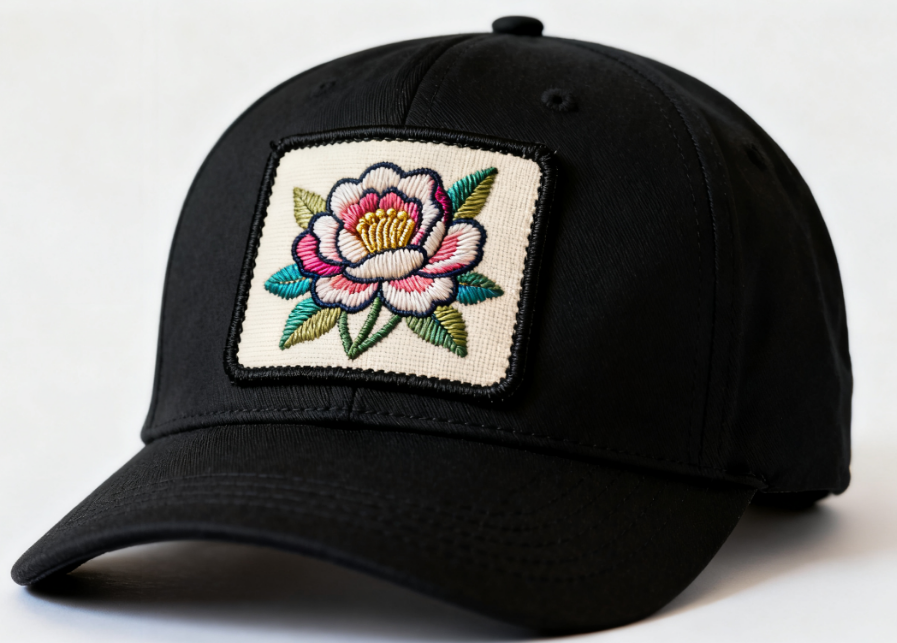
Custom patch hats generally head out the door around 10 to 15 business days once we get the green light on the final design. The process covers converting artwork into digital files, getting all the right materials, doing the embroidery work, running quality inspections, and then packing everything up properly. For smaller runs between 25 and 50 hats, things tend to move faster, usually taking about 7 to 10 days total. When folks order over 100 units though, production can stretch out to somewhere near three weeks sometimes. We do offer expedited services for those really tight deadlines too, which will cut down delivery times to between 5 and 10 days but comes with an extra charge for the speed bump.
| Order Size | Standard Production Time | Rush Option Availability |
|---|---|---|
| 1–25 hats | 7–10 business days | 5 days (+20–30% cost) |
| 26–100 hats | 10–14 business days | 7 days (+15–25% cost) |
| 100+ hats | 15–20 business days | 10 days (+10–20% cost) |
Key stages that define the overall production duration
Every order follows five core phases:
- Design digitization (1–3 days): Converting logos into machine-readable stitch files
- Material sourcing (2–5 days): Procuring hat blanks, threads, and backing fabrics
- Embroidery production (3–8 days): Stitching patches using computerized machines
- Quality assurance (1 day): Checking color accuracy, stitch density, and placement
- Final assembly (1–2 days): Attaching patches to hats and preparing for shipment
While this sequence remains consistent, timing varies with design complexity and order size. Multi-colored or gradient designs add 2–3 days during digitizing, whereas simple single-color logos streamline early processing. Manufacturers provide detailed timelines during quoting to help clients align production with event launches or retail schedules.
How Design Complexity and Approval Impact Embroidery Time
The role of stitch count and design detail in production speed
Stitch count directly affects embroidery duration. A basic logo with 8,000 stitches takes 2–3 days to produce, while intricate designs exceeding 20,000 stitches require 5–7 days due to slower machine speeds needed for dimensional effects (500–600 stitches per minute). Text-heavy layouts or gradients often trigger additional digitizing revisions, adding 24–48 hours per round of adjustments.
Simple vs. intricate designs: Comparing production timelines
Flat embroidery for clean, geometric shapes typically completes in 3 days post-approval. In contrast, 3D puff lettering or gradient shading extends production to 7–10 days–up to 150% longer. Multi-layered patches using specialty threads or reinforced backings add another 1–2 days for material preparation and finishing.
Why timely design approval is critical to avoid delays
Each unapproved revision delays production by 48 hours. Industry data shows that 72% of missed deadlines stem from bottlenecks in the initial digitizing phase, particularly when approvals stretch beyond 5 days. Confirming artwork within 48 hours of submission keeps projects on track, especially during peak seasons when capacity is limited.
Order Quantity and Batch Processing: Scaling Production Efficiency
How Bulk Orders Affect the Manufacturing Timeline for Custom Patch Hats
When companies place bulk orders instead of small batches, they typically save around 40 to 60 percent on production time for each item made. The reason? Manufacturers can distribute those initial setup costs across many more products. Think about it like this: when setting up machines for digitizing work or calibrating equipment, these tasks take the same amount of time whether making 50 hats or 500. That's why a big order of 500 hats might actually finish in just 7 to 10 days, whereas a smaller run of only 50 units could still take 5 to 7 days because all those setup steps remain constant regardless of quantity. Modern factories now rely heavily on automated trimming tools and multi-head embroidery systems which really boost productivity during large production runs. These technologies help keep quality consistent even as speeds increase significantly.
Differences Between Small and Large Batch Production Workflows
For small runs between 1 and 100 hats, manufacturers typically rely on single needle machines where workers have to manually align everything. These setups take around 12 to 18 minutes per individual hat. When companies scale up production though, they switch to synchronized machines with anywhere from 6 to 12 needles. These industrial grade systems can handle 4 to 6 hats at once, bringing down the time needed per unit to just 4 to 6 minutes. Big operations get another advantage too when it comes to materials. Suppliers know these larger clients need stuff quickly so they prioritize shipping threads, backing materials, and even blank hats ahead of regular orders. All this means that when someone wants over 1,000 units, most shops can deliver them in 2 to 3 weeks flat something simply impossible with those tiny batch sizes that get stuck waiting for parts and labor.
Step-by-Step Breakdown of the Custom Embroidered Patch Hat Process
Digitizing Your Design: The Foundation of Accurate Embroidery
Embroidery starts when artists take their designs and turn them into files ready for machine work. Software programs then plot out each individual stitch, laying out exactly where threads go, how tight they need to be packed together, and when colors should change. A recent study from the textile sector back in 2023 found that getting this digitization right cuts down mistakes during production by around two thirds specifically for those custom patches on hats. Getting these small details right matters a lot too. Text needs to stay legible after stitching and subtle gradient effects must show up properly on fabric. Without good digitization, even the best design ideas might end up looking sloppy once sewn onto actual products.
Sourcing Materials and Preparing Fabrics for Patch Application
Material choice influences both durability and visual impact. Leading manufacturers select based on performance and compatibility:
| Material | Durability | Best Use Case | Thread Compatibility |
|---|---|---|---|
| Twill | High | Logos/Text | Polyester/Cotton |
| Felt | Medium | Casual Designs | Rayon/Metallic |
| Polyester | Very High | Outdoor/Hats | All Types |
Fabrics undergo pre-treatment with stabilizers or starch to prevent shifting or puckering during stitching, ensuring clean, professional results.
Embroidery, Trimming, and Backing: Core Production Steps
Industrial multi-head machines embroider at speeds over 1,200 stitches per minute. After stitching, technicians:
- Trim excess threads with surgical precision
- Apply heat-activated or adhesive backing
- Inspect stitch tension and consistency
This phase accounts for 40–60% of total production time and sets the standard for patch quality before attachment.
Quality Inspection and Secure Packaging Before Shipment
Each patch undergoes rigorous evaluation:
- Stitch count verification (±2% tolerance)
- Color accuracy under standardized LED lighting
- Backing adhesion strength testing
Approved patches are packed in crush-proof containers with moisture barriers to ensure they arrive undamaged and ready for final assembly.
Integrating Patches Into Hats: Final Assembly Considerations
Attachment method depends on hat material:
- Sewn: Offers 94% retention after 50+ washes (2024 textile durability tests)
- Heat-Sealed: Best for synthetic fabrics, preserves shape and structure
Alignment templates guarantee uniform placement across all hats, maintaining brand consistency regardless of order size.
Final Delivery: Shipping Options and Rush Turnaround for Custom Patch Hats
Standard vs. Expedited Production and Shipping Timeframes
Most orders deliver within 6–8 weeks via standard service, while expedited options cut total time to 3–4 weeks. These estimates combine production and transit:
| Service Type | Production Time | Shipping Method | Total Timeframe |
|---|---|---|---|
| Standard | 3–5 weeks | Ground transport | 6–8 weeks |
| Expedited | 2–3 weeks | Air freight | 3–4 weeks |
Rush orders incur 15–30% higher costs due to priority scheduling and overnight shipping. Timely design approval is essential to meet accelerated deadlines.
Logistics and Transit Times for Domestic and International Orders
Domestic U.S. shipments arrive in 3–7 business days after production. International deliveries take 10–25 business days, with customs clearance adding 2–8 days depending on destination regulations (2024 Global Trade Analysis). To ensure on-time arrival:
- Track shipments through carrier portals
- Account for holiday season delays (October–January)
- Verify HS codes early for accurate duty calculations
For overseas events or uniform rollouts, build in a 2–3 week buffer to accommodate unforeseen transit delays.
FAQs about Custom Patch Hats Production
What affects the production time for custom patch hats?
The main factors influencing production time include order size, design complexity, and timely approval of designs. Larger orders benefit from batch efficiency, whereas intricate designs with high stitch counts may extend embroidery duration.
Is expedited service available for custom patch hat orders?
Yes, expedited services are available, reducing production and shipping timeframes significantly. However, expedited services come with additional costs.
How does order size impact the production timeline?
Order size affects the timeline due to setup costs and batch processing efficiency. Larger orders distribute setup time across more units, creating significant time savings compared to smaller batches.
How long does it take for custom patch hats to be delivered internationally?
International delivery typically takes 10-25 business days after production, with additional customs clearance time depending on the country's regulations.
What should I do to ensure timely delivery of my custom patch hat order?
Ensure prompt design approval, opt for expedited services if necessary, and consider potential delays during peak seasons when planning order timelines.
Table of Contents
- Understanding the Standard Production Timeline for Custom Patch Hats
- How Design Complexity and Approval Impact Embroidery Time
- Order Quantity and Batch Processing: Scaling Production Efficiency
- Step-by-Step Breakdown of the Custom Embroidered Patch Hat Process
- Final Delivery: Shipping Options and Rush Turnaround for Custom Patch Hats
-
FAQs about Custom Patch Hats Production
- What affects the production time for custom patch hats?
- Is expedited service available for custom patch hat orders?
- How does order size impact the production timeline?
- How long does it take for custom patch hats to be delivered internationally?
- What should I do to ensure timely delivery of my custom patch hat order?