EN
EN


Design and Material Options That Elevate Brand Identity with Custom Patches
Fabric Integration: Choosing Backings, Threads, and Materials for Drape, Stretch, and Garment Performance
Getting the right backings and threads makes all the difference when it comes to how custom patches interact with clothing materials. Stretchy garments such as activewear need special treatment. Merrow edges combined with flexible adhesive backings help keep things elastic enough so the fabric doesn't stiffen up or lose its natural drape, which matters a lot for knits that rely on stretch. Most manufacturers go for polyester threads in areas where patches get worn down because they stand up to washing better and don't shrink much over time. Cotton threads create that old school look many customers want, though they demand softer handling during maintenance. Twill backings give extra rigidity needed for tough jobs in workwear settings, whereas ultrasuede feels almost like real fabric itself, making it great for upscale fashion lines. According to tests published last year, patches without proper backing can fall apart within only 15 heavy duty wash cycles. That's why checking if materials actually work together should happen way before sending anything to mass production.
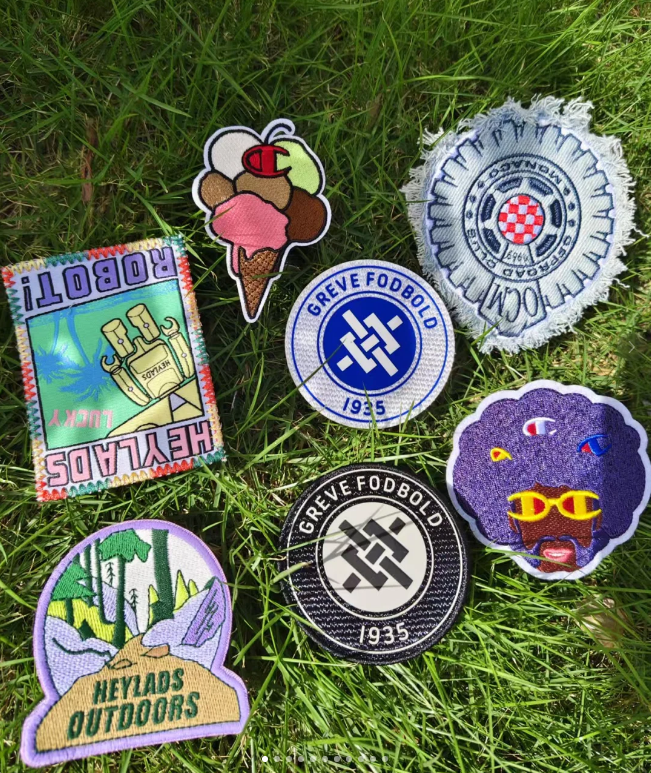
Embroidered, Woven, PVC, and Chenille Custom Patches — Matching Aesthetic Language to Brand Segments
Different patch types serve distinct brand positioning strategies through tactile and visual properties:
| Patch Type | Ideal Brand Segment | Key Characteristics | Durability Rating* |
|---|---|---|---|
| Embroidered | Heritage/Luxury | 3D texture, premium feel | 9/10 |
| Woven | Corporate/Technical | Fine detail reproduction | 8/10 |
| PVC | Streetwear/Urban | Weatherproof, bold colors | 10/10 |
| Chenille | Collegiate/Retro | Soft pile, vintage appeal | 7/10 |
*Based on abrasion resistance testing per Industry Standard ATTS-2024
Heritage brands often go for embroidered patches because they scream craftsmanship. For younger audiences, PVC patches work great since they hold onto colors so well and can withstand pretty harsh weather conditions. Campus wear still loves those fuzzy chenille patches that bring back memories of college days. And then there are woven patches which give that sharp look needed for technical branding on sports uniforms. Studies have shown that when materials match what people expect from certain products, they remember them better too. One study found around a 47% boost in recall rates when this happens. Makes sense really, since our brains connect with things that feel right for their purpose.
Pricing, Logistics, and Value Optimization for Bulk Custom Patches Orders
Tiered Volume Pricing, Hidden Fulfillment Costs, and Total Cost-of-Ownership Analysis
Strategic sourcing of bulk custom patches requires evaluating tiered pricing alongside often-overlooked logistics expenses. While volume discounts typically reduce per-unit costs by 30–50% at higher quantities, hidden fees—including setup charges, material surcharges, rush processing, and dimensional shipping premiums—can significantly erode margin gains. Representative pricing tiers illustrate this dynamic:
| Order Quantity | Avg. Price per Patch |
|---|---|
| 100–500 | $1.75–$2.50 |
| 1,000–5,000 | $0.75–$1.25 |
A robust total cost-of-ownership (TCO) analysis must incorporate shipping, revision cycles, and fulfillment timelines—not just unit price. Fashion distributors benefit most from suppliers offering transparent, bundled logistics and consistent quality across seasonal runs, enabling reliable forecasting and reduced operational friction.
Performance Validation: Durability Testing of Custom Patches on Apparel Fabrics
Rigorous durability testing ensures custom patches maintain visual and functional integrity through real-world use. Before approving bulk orders, fashion distributors should validate three core performance metrics:
- Wash resistance: Simulate 50+ industrial laundry cycles to assess colorfastness and adhesion strength under detergent exposure, mechanical agitation, and high-heat drying
- Abrasion resistance: Evaluate rub-cycle endurance using Martindale or Wyzenbeek testers—high-contact zones (e.g., sleeves, knees) demand ≥20,000 cycles before visible thread degradation
- Environmental stress: Test UV exposure (per ASTM G154) and thermal cycling (-20°C to 60°C) to prevent cracking, delamination, or dimensional instability
Third-party lab certification provides objective assurance of longevity. Reputable manufacturers supply test reports confirming compliance with ISO 6330 (washing) and ISO 12947 (abrasion), directly mitigating costly post-launch failures such as peeling, fraying, or color bleed during consumer use.
FAQ
What materials are best for activewear patches?
Patches for activewear should use Merrow edges and flexible adhesive backings to retain elasticity. Polyester threads are suitable due to their durability and resistance to shrinkage.
Which patch type is most durable for outdoor use?
PVC patches are the most durable for outdoor use as they are weatherproof and maintain bold colors.
How can I ensure my custom patches last through washes?
Perform wash resistance tests simulating over 50 industrial laundry cycles to ensure colorfastness and adhesion strength are maintained.