EN
EN


What Is 3D Embossed Design—and Why It Matters for Hat Patches
Defining True 3D Embossing: Puff Foam, Domed Effects, and Contour Stitching
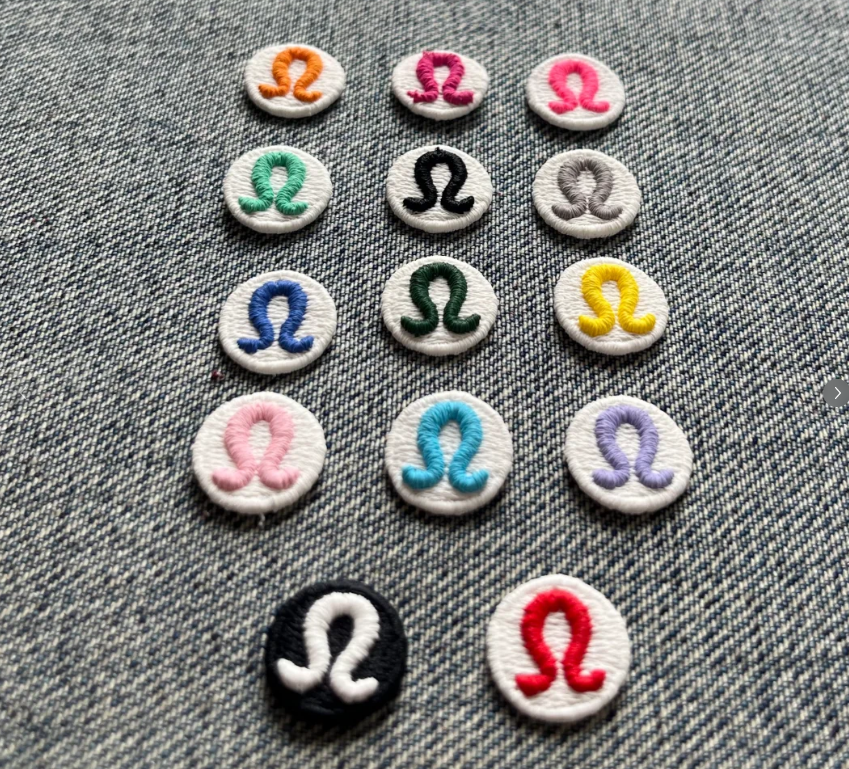
Three-dimensional embossing takes ordinary hat patches and turns them into real brand statements by employing several key approaches. First there's the puff foam technique where extra material is added beneath the embroidery to make it stand out from the fabric surface. Then we get those dome shaped effects created when special backings combine with tight stitching patterns to form smooth curves. And finally there's the contour stitching method which follows every bump and ridge exactly, holding everything together so it maintains its shape. These aren't just surface level changes either. The way they build strength right into the embroidery means the raised designs stay intact even after countless washes, daily wear, and all the bending and stretching hats naturally go through over time.
How 3D Embossed Hat Patches Enhance Brand Visibility and Tactile Appeal
What makes 3D embossed patches stand out? Their actual depth creates interesting interactions with light. The way they cast subtle shadows and catch highlights can boost visual contrast by around 70% when compared to regular flat embroidery. People just notice them more. Research on how we perceive textiles shows something fascinating too. When looking at logos with dimension, people tend to spend about 40% more time engaging with them than flat designs. Touch matters as well. Brands that incorporate unique textures get remembered better. Studies suggest customers remember logos with distinctive textures three times more effectively than those without. That's why these 3D patches work so well as memory triggers for brands. The construction itself is part of the stitching process rather than something slapped on later. This means the details stay sharp even after repeated use. Whether hanging on a jacket or displayed in store, the brand image remains clear and consistent through all sorts of different conditions and handling.
Hat Patch Types That Fully Support 3D Embossed Design Customization
Structured Cotton Twill Hats with 3D Embroidered Patches (5-Panel, Trucker Styles)
When it comes to making those eye-catching 3D patches really pop, structured cotton twill hats like the classic 5-panel and trucker styles are hard to beat. These hats have that firm crown shape which creates even tension across the surface. That means when applying puff foam, it can stand up straight at around 5mm tall without sagging or warping. The material itself is pretty thick and tightly woven, so it handles complex embroidery designs with thousands of stitches without losing definition along the edges. Brands that need their gear to last through rough conditions will find these hats work well for outdoor jobs, work uniforms, and activewear alike. Want the best look? Put the patch right in the center of the front panel where the natural curve of the hat actually makes the design appear deeper and catches light better from all angles.
Unstructured Low-Profile Caps Featuring FlexStyle® Domed or 3D Contour Stitch Patches
Low profile caps that aren't too structured focus on comfort while still looking good these days, which means manufacturers need to get creative with their 3D designs. The FlexStyle doming technique combined with shallow stitching adds depth without making the cap too thick, usually keeping foam around 2 to 3mm high so heads don't get sore spots from wearing them all day. What makes these caps work is how they actually follow the fabric's natural shape instead of trying to force it into something else. This creates nice shadows that give visual interest without needing big raised areas. Most fashion brands targeting younger customers go for this approach because it fits better with today's sleek hat styles. When adding patches, put them a bit lower on that curved front part where light hits just right, helping the cap stay comfortable throughout the day while still feeling distinct to the touch.
Critical Technical Constraints When Applying 3D Embossed Hat Patches
Crown Curvature, Stitch Density, and Foam Height Compatibility
The shape of a hat's crown really affects how well it works in three dimensions. Crowns that curve sharply like those found on snapbacks and fitted hats limit how thick the foam can be without problems. Most manufacturers stick to 3mm max because anything thicker tends to cause distortion when stitching, makes needles bend awkwardly, or squishes the foam altogether. When it comes to stitch spacing, there's a sweet spot somewhere near 0.16mm apart. This keeps the foam covered properly but stops the fabric from bunching up or threads snapping mid-stitch. Many pros also suggest sticking to designs no bigger than about 10 by 5 centimeters on curved parts of the hat. This helps maintain the correct proportions after manufacturing. Before going into mass production though, nobody should skip testing these settings on actual fabric samples first. Doing so catches any hidden compatibility problems way ahead of time and saves everyone headaches later on in areas where wear and tear happens most often.
Placement Guidelines: Front Panel vs. Side/Back Panels for Optimal 3D Effect
When it comes to 3D embossed patches, the front panel is still where they work best. The flat surface there gives maximum visibility and lets people feel the patch clearly, which matters a lot for brands wanting instant recognition. Side panels and backs tell another story though. Those areas have all sorts of curves and angles that actually squish or distort raised designs, making them look flatter and less durable over time. Want something that stands out? Put the main patch right in the middle of the front panel away from any seams or those little vents that break up the surface. Save the sides and back for simpler stuff like regular embroidery jobs where depth doesn't matter as much and the design needs to hold up through normal wear and tear.
How to Specify & Order 3D Embossed Hat Patches for B2B Production
Want to get the most out of ordering patches in bulk? There are really just four things worth focusing on when placing large orders. Start with getting those specs right down to the last detail. The minimum thread count should be at least 40,000 stitches, aim for a foam height somewhere between 1.5 and 3mm so they look good and hold up over time, and make sure colors match exactly using proper Pantone codes instead of trying to guess with RGB or CMYK values. Next up is quantity. Most manufacturers offer around a 30% discount when ordering 500 pieces or more according to industry standards set back in 2023 by the American Apparel & Footwear Association. Don't skip this step because bulk pricing matters a lot. Always ask for actual samples before going ahead with full production runs. These samples let us check how dense the stitching looks, see if the foam behaves properly, test color accuracy across different lights, and even touch them to get a sense of texture. Lastly, talk through delivery schedules early on. Production usually takes anywhere from 10 to 15 days plus extra time for quality checks. Good suppliers will send digital previews within two business days and handle everything needed for shipping directly to customers without any hassle from our side.
Frequently Asked Questions
What is 3D embossed design for hat patches?
3D embossed design in hat patches utilizes techniques like puff foam, domed effects, and contour stitching to add depth and tactile appeal to the patches, enhancing visual and brand recognition.
Why is 3D embossed design important for branding?
3D embossed patches create visual contrast and tactile appeal that increases customer engagement and memory retention, making brands more recognizable and memorable.
What hat types are suitable for 3D embossed patches?
Structured cotton twill hats, such as 5-panel and trucker styles, and unstructured low-profile caps are suitable for 3D embossed designs, offering flexibility and enhancing visual appeal.
What should I consider when ordering 3D embossed hat patches?
When ordering, focus on details like thread count, foam height, color accuracy using Pantone codes, order quantity for discounts, and request samples for quality checks before full production.