EN
EN


What Are 3D Embossed Custom Embroidery Patches?
Understanding 3D Embroidered Patches
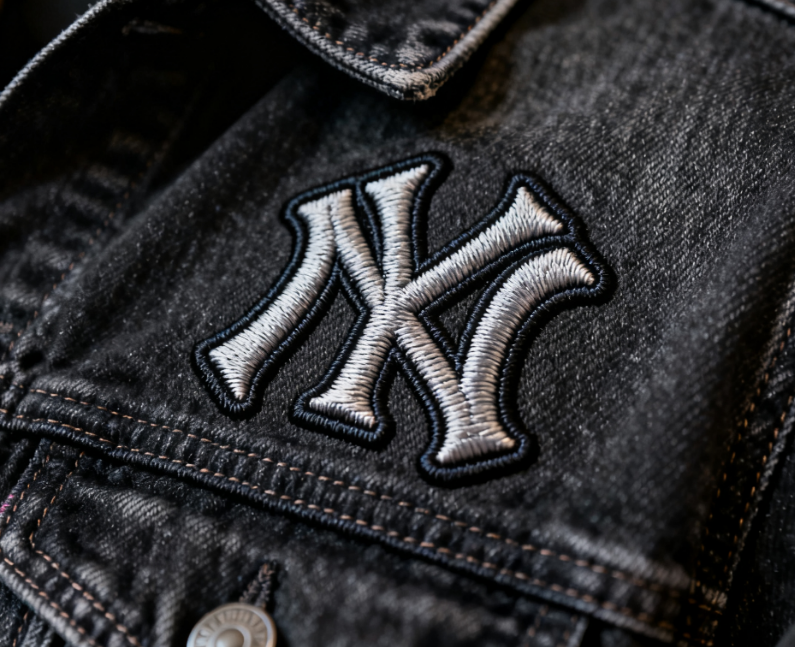
Three dimensional embroidery patches take ordinary flat designs and turn them into something customers can actually feel when wearing branded clothing. What makes these different from regular patches is the way they're constructed with layers of foam underneath the tight stitching, creating that nice raised effect on fabric. Most quality patch makers manage to get between half a millimeter to almost a full millimeter lift, which really helps logos pop off garments without falling apart after multiple washes in the machine. Back in the day, soldiers wore these kinds of patches as part of their uniforms, but nowadays fashion brands are catching onto what makes them special. The texture adds an extra dimension to logos that just plain embroidery cant match, making products look and feel more premium overall.
How "Embossed Logos on Patches" Create a Premium Look
When logos are embossed, they play with light and shadow to create a sense of higher value. The way threads move across foam backed designs actually creates tiny shadows that give things depth, something our eyes automatically connect with expensive items. A study done last year at the Material Perception Institute found that when companies use these raised branding elements like 3D patches instead of regular flat ones, people remember them better about 38% more often. Luxury car manufacturers, premium clothing labels, and even some big corporations have started embracing this approach because those intricate three dimensional patterns just scream quality workmanship to customers looking for signs that someone cares about the details in their products.
The Role of Puff Embroidery in Achieving Raised Embroidery Patches
Puff embroidery refers to stitching over foam padding to create dimension. Success depends on three key factors:
- Foam thickness: 1.5–3 mm layers balance flexibility with structural integrity
- Thread density: 8–12 stitches per millimeter prevent foam compression
- Design simplicity: Bold shapes and text maximize the 3D effect
This process requires specialized embroidery machines capable of adjusting tension dynamically as needles penetrate multiple material layers. When executed precisely, puff embroidery produces patches that retain their raised profile through 50+ industrial washes.
Materials and Techniques Behind 3D Puff Embroidery Patches
Foam Backing and Its Impact on Elevated Logos With 3D Embroidery
The base layer for creating those raised 3D logos is usually made of foam backing, which gives the embroidered parts their lift off the fabric surface. Most commonly, manufacturers work with either polyurethane or EVA foam materials. These foams get shaped according to the logo design using either heated tools or laser cutting techniques. Thickness varies quite a bit across projects, typically somewhere between 2 millimeters all the way up to 6 mm thick. When working with thicker foam options, designers need to adjust their stitching approach since these require much tighter stitch patterns just to keep everything stable during washing and wear. Many professionals find that around 3 to 4 mm works best for detailed corporate logos where both depth and fine stitching details matter most in maintaining quality appearance over time.
Stitch Density and Thread Selection in Custom 3D Patches
The number of stitches packed into a given area makes all the difference when it comes to how long something lasts and how deep those colors look visually. When we talk about high density stitching around 6 to 7 stitches per millimeter, this actually holds the foam in place better and creates those nice smooth transitions especially important for any design that curves or bends. Most manufacturers go with 40 weight polyester thread because it stands up to wear and tear plus keeps colors looking good over time something really important for things like sports uniforms or equipment used outside. There are also these special threads out there metallic ones that sparkle or even glow in the dark which definitely catch attention but they need different tension settings during production so the foam doesn't get messed up in the process.
Custom Embroidery Techniques That Enhance the 3D Effect
Techniques such as underlay stitching stabilize foam before top-layer embroidery, while directional stitching angles threads to maximize light reflection. For multi-level textures, technicians stack foam pieces vertically—a method often seen in military insignia where detailed elements like eagle feathers demand layered depth.
Comparing Flat vs. Puff Embroidery for Logo Patch Options
| Feature | Flat Embroidery | 3D Puff Embroidery |
|---|---|---|
| Structure | 2D, seamless surface | Raised, tactile depth |
| Best For | Detailed text, fine lines | Bold logos, standalone icons |
| Material Compatibility | Works on all fabrics | Requires structured fabrics (e.g., twill) |
| Maintenance | Machine-wash safe | Hand-wash recommended |
Flat embroidery suits minimalist branding, while puff embroidery excels in applications requiring instant visual recognition, such as sports team logos or luxury fashion accents.
Design and Manufacturing Process for 3D Embossed Patches
Designing Raised Logo Patches Using Digital Mockups
The process of making 3D embossed patches typically starts with creating digital mockups based on vectors. Most designers work with SVG files when they want to define those raised sections of the design, something that helps keep those edges sharp and the dimensions spot on. A recent look at how textiles are being produced these days shows that about three out of four professionals working on patches incorporate Pantone colors right here during development, mainly because brands need that consistent look across all their products. What makes vector files so useful? They let artists tweak those stitch lines with pinpoint accuracy, something absolutely necessary if we're talking about getting that even height throughout puff embroidery pieces.
Software Tools for Visualizing Embossed Logos in Embroidery
Advanced digitizing software like Wilcom Hatch or PulseID converts 2D designs into optimized stitch patterns for 3D effects. These programs simulate thread layering over foam, projecting height variances between 0.2–1.7 mm. Real-time rendering helps identify zones needing density adjustments—over-embroidered sections can compress foam, diminishing the embossed appearance.
Step-by-Step Guide to How 3D Embroidered Patches Are Made
- Digitizing: Approved designs are converted into machine-readable files specifying stitch types (satin, fill, running) and sequence.
- Foam Placement: Laser-cut foam inserts are positioned under areas requiring elevation.
- Stitching: Industrial multi-head machines embroider the design in layers, typically using 12,000–15,000 stitches per patch for complex logos.
- Curing: Heat presses bond foam and thread layers permanently at 150–160°C.
- Finishing: Excess materials are trimmed, and edges sealed via merrow borders or laser cutting.
Quality Control in Producing Consistent Puff Embroidery for 3D Effect
Manufacturers follow a three-stage inspection process to ensure consistency:
- Thread tension testing within ±5% tolerance
- Elevation verification using laser profilometers
- Wash durability checks across 50+ industrial laundering cycles
Patches meeting ASTM D4771-09 standards show 95% less dimensional variance after repeated use than non-certified alternatives. High-density polyester threads (₵120D) are now standard for preserving structural integrity under real-world conditions.
Applications and Value of Custom 3D Embroidery Patches Across Industries
Uniform Branding with Custom Embroidery Patches in Corporate Apparel
More companies are turning to 3D embroidered patches these days to really make their brand stand out on employee uniforms. The extra dimension makes logos pop on everything from hotel staff outfits to doctor's scrubs and police uniforms, giving them that professional look that holds up even after countless washes. According to a recent study in the textile business (around 2023 timeframe), businesses that switch to embroidered patches see about 34 percent better brand recognition compared to places still using regular printed logos. People actually notice the texture when they touch it, which helps keep the brand fresh in their minds during face-to-face encounters.
Sports Teams and Tactical Gear Using Raised Embroidery Patches
Sports teams go with puff embroidery because it makes their branding stand out more. The three dimensional look helps keep team logos clearly visible on jerseys, hats, and those big equipment bags, whether they're catching light from stadium spotlights or getting snapped during actual game action. Manufacturers who make tactical clothing prefer these kinds of patches too for uniforms worn by military personnel and police officers. Even when covered in dirt or grime from real world conditions, the raised design still lets people read what's printed there without confusion.
Fashion Brands Leveraging 3D Embroidered Patches for Streetwear
Luxury streetwear labels incorporate custom 3D patches into limited-edition collections. Raised surfaces interact uniquely with light, giving hoodies, denim jackets, and bucket hats a premium tactile quality. Designers often pair metallic threads with puff embroidery to create textured focal points on minimalist garments.
Cost, Durability, and Future Trends in 3D Custom Embroidery Patches
Price Factors for Custom 3D Patches Based on Complexity
Design complexity drives pricing, with four main considerations:
- Size: A 2" 3D patch averages $1.50 each; 6.5" versions exceed $5.00 due to material demands
- Stitch Density: Full-coverage embroidery costs 30% more than standard fills
- Textures: Metallic threads or layered puff techniques increase production time and cost by 20–40%
- Order Volume: Bulk orders reduce per-unit costs by up to 70%, with 1,000+ units dropping prices below $0.90 each
A recent industry survey shows 63% of buyers prioritize durability over initial savings when selecting embossed logo patches.
Wash Resistance and Longevity of Puff Embroidery Patches
Well-constructed 3D patches endure 50+ industrial washes through:
- Heat-Sealed Edges: Prevent thread unraveling
- UV-Resistant Threads: Maintain color vibrancy
- Puff Stabilizers: Foam retains shape despite friction
Field tests indicate double-stitched border patches last 2.3 times longer than standard embroidery in high-wear environments like tactical gear.
Sustainable Materials in Puff Embroidery for Eco-Friendly Patches
Eco-conscious manufacturers now offer:
- Recycled Polyester Threads (42% lower carbon footprint)
- Water-Soluble Puff Foam (biodegrades within 18 months)
- Organic Cotton Backings (GOTS-certified)
These innovations help brands meet sustainability goals without sacrificing the visual impact of raised embroidery.
Emerging Demand for Personalized 3D Patch Designs
The $4.1B custom patch market is seeing rising demand for:
- Hybrid Textures: Combining puff embroidery with metallic foil accents
- Glow-in-the-Dark Threads: 37% year-over-year growth in nighttime visibility requests
- Micro-Patches: Sub-1" designs for luxury accessories
Personalization platforms now provide real-time 3D previews of embossed logos, reducing design approval times by 65% compared to traditional methods.
FAQ
What is the main advantage of using 3D embossed embroidery patches?
The main advantage is the raised, tactile depth that they provide, making logos and designs pop and creating a premium look that stands out.
How do puff embroidery patches compare to flat embroidery?
Puff embroidery provides raised, tactile depth perfect for bold logos, while flat embroidery offers a seamless 2D surface suitable for detailed text and fine lines.
What materials are commonly used in 3D embroidery patches?
Common materials include polyurethane or EVA foam for backing, and polyester threads for stitching. Sometimes metallic or glow-in-the-dark threads are used for special effects.
Table of Contents
- What Are 3D Embossed Custom Embroidery Patches?
- Materials and Techniques Behind 3D Puff Embroidery Patches
- Design and Manufacturing Process for 3D Embossed Patches
- Applications and Value of Custom 3D Embroidery Patches Across Industries
- Cost, Durability, and Future Trends in 3D Custom Embroidery Patches
- FAQ