

How to Iron On Patches: Step-by-Step Guide for Perfect Application

Get a Free Quote

Our representative will contact you soon.
Email
Mobile/Whatsapp
Name
Company Name
Message
0/1000
How to Iron On Patches: Step-by-Step Guide for Perfect Application

How to Iron On Patches: Step-by-Step Guide for Perfect Application

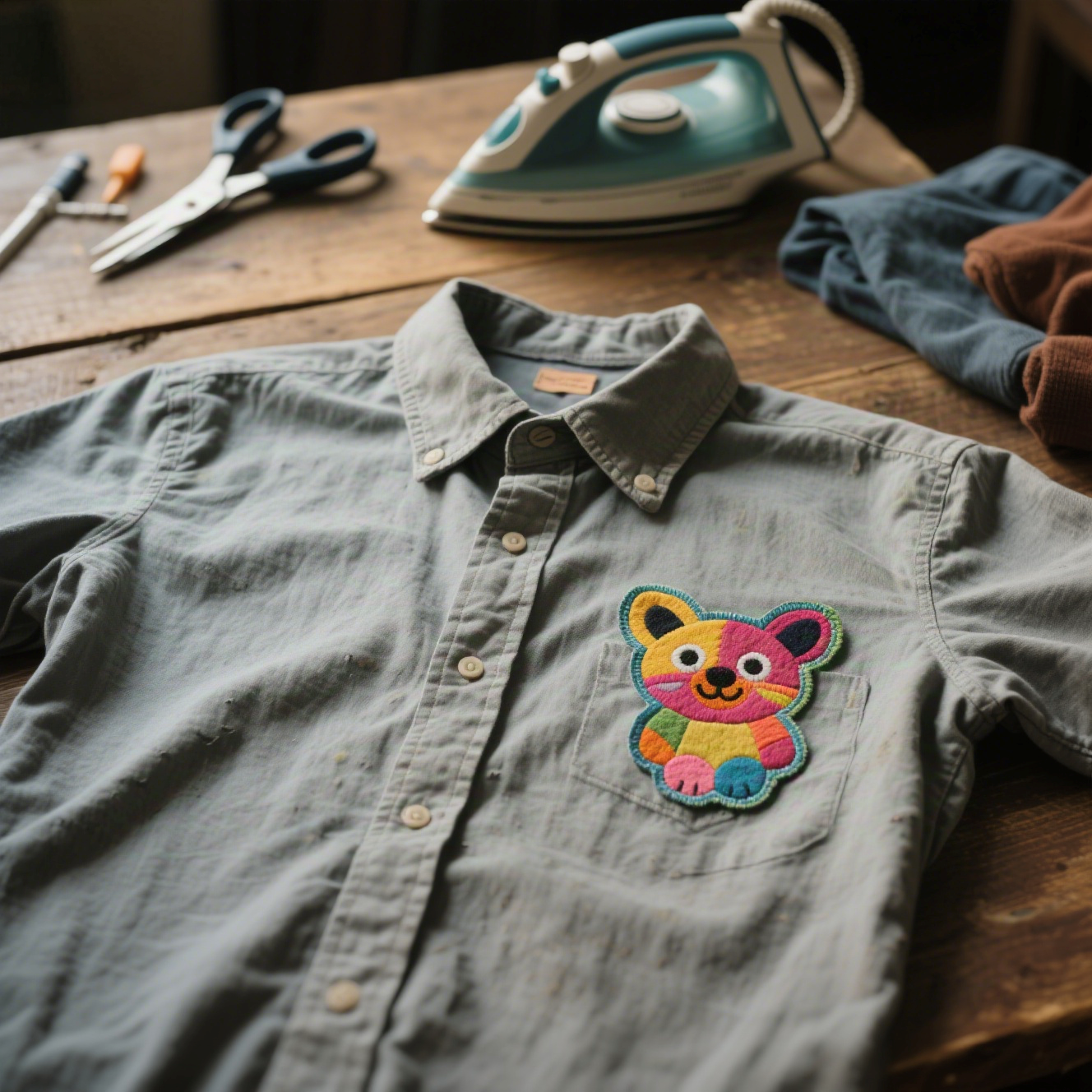
Learn the simple steps to apply our iron-on patches flawlessly. First, prepare the fabric surface by ensuring it’s clean and dry. Place the patch on the desired location with the adhesive side down. Cover the patch with a thin cloth to protect both the patch and fabric. Set your iron to the appropriate temperature (check fabric care labels) and apply firm pressure for 10-15 seconds, moving the iron evenly over the patch. Let it cool completely before testing adhesion. For extra durability, turn the fabric inside out and iron the back of the patch for another 10 seconds. Our iron-on patches feature reliable heat-activated adhesive, and following these steps ensures a secure bond that withstands daily wear. Need help? Our team is available to support your patch application needs.
Get A Quote

Advantages of the product

Tips for Successful Iron-On Patch Application

For optimal results, our tips for iron-on patch application advise ensuring the fabric is clean and dry, using a dry iron (no steam), and applying even pressure for the required duration. Following these guidelines helps prevent common issues like poor adhesion or fabric damage, ensuring the patch stays in place and looks great for longer.

Troubleshooting for Iron-On Patch Application

If an iron-on patch doesn't adhere properly, our troubleshooting tips suggest checking the iron temperature, reapplying pressure for a longer time, or ensuring the fabric surface is suitable. This helps users solve common application issues quickly, saving time and effort, and ensuring the patch works as intended.

Related products

HuBei XingXinDA offers iron on patches wholesale for businesses and brands seeking bulk orders of high-quality patches. With over 15 years in apparel accessories manufacturing, the company specializes in producing wholesale iron on patches that meet strict quality standards. The wholesale services include custom designs, standardized patterns, and various materials to suit different applications. Using cutting-edge facilities like white ink DTF printers and high-frequency TPU patch machines, the company ensures consistent quality in large-scale production. ISO 9001-certified quality control guarantees each wholesale batch meets excellence criteria. Whether for fashion retailers, promotional campaigns, or brand merchandising, the iron on patches wholesale solutions provide cost-effective options. Contact HuBei XingXinDA to discuss wholesale pricing, customization options, and bulk order requirements for your business.

common problem

What steps should be followed to iron on patches correctly?

First, preheat the iron to the specified temperature. Place the patch on the desired area with the adhesive side down. Cover it with a thin cloth, apply firm pressure for 10-15 seconds, and let it cool before checking adhesion.
Reheat the patch with the iron, applying more pressure. Ensure the fabric is clean and dry before application. If issues persist, consider sewing the patch for added durability.
Yes. For patches with 3D elements or multiple layers, use a lower heat setting and apply pressure evenly. Avoid moving the iron back and forth; hold it stationary over each section.

Related article

Top Trends in Custom Embroidery: From Baseball Hats to Iron-On Patches

16

Jun

Top Trends in Custom Embroidery: From Baseball Hats to Iron-On Patches

The Evolution of Custom Embroidery Techniques Traditional Hand Stitching vs. Modern Machine Embroidery Embroidery stands out as one of those arts where every stitch tells a story. Traditional handwork remains unmatched when it comes to fine details,...
View More

Tips for Locating the Best Custom Embroidery Near You

16

Jun

Tips for Locating the Best Custom Embroidery Near You

Understanding Custom Embroidery ServicesTypes of Custom Embroidery: Patches vs. Apparel When it comes to custom embroidery, there are basically two big categories we're talking about here: patches and clothing items. These things serve completely dif...
View More
DIY Guide: Iron-On Patches vs. Embroidered Patches - Which is Right for You?

16

Jun

DIY Guide: Iron-On Patches vs. Embroidered Patches - Which is Right for You?

Understanding Iron-On vs. Embroidered Patches Definition of Iron-On Patches: Heat-Activated Adhesive Backing Iron on patches work great when someone wants something fast and easy to put on clothes or other stuff. The back has special glue that gets...
View More
Iron On Patches: Quick and Easy Ways to Revamp Your Old Clothes

16

Jun

Iron On Patches: Quick and Easy Ways to Revamp Your Old Clothes

What Are Iron-On Patches? How Iron-On Adhesive Works People love iron on patches for sprucing up all sorts of fabric stuff. The magic happens through those special heat activated glues that stick really well after some good ironing action. Most of ...
View More

User evaluation of the product

Maria Sanchez

The company’s advice to wait 24 hours before washing and use cold water extended my patches’ life. I applied them to a canvas backpack, and they’ve withstood daily use for months. The FAQ section on their site answered all my questions, from fabric compatibility to reapplication tips. Knowledgeable support makes a difference.

Ava Rodriguez

I was skeptical about iron on patches for the long term, but these exceeded expectations. The detailed FAQ section explained how to reapply heat for better adhesion, which saved a patch that started lifting. The DTF printing kept colors vibrant, and the laser-cut edges never frayed. A durable solution for temporary and semi-permanent designs.

Get a Free Quote

Our representative will contact you soon.
Email
Mobile/Whatsapp
Name
Company Name
Message
0/1000
Aftercare Tips for Iron-On Patches

Aftercare Tips for Iron-On Patches

To maintain the durability of iron-on patches, our aftercare guide recommends washing items inside out in cold water, avoiding bleach and high-temperature drying. Following these aftercare steps extends the patch's lifespan, keeping it looking fresh and secure even after multiple washes, and maximizing its value for users.