EN
EN


What Are 3D Embossed Velcro Patches – and Why They Stand Out
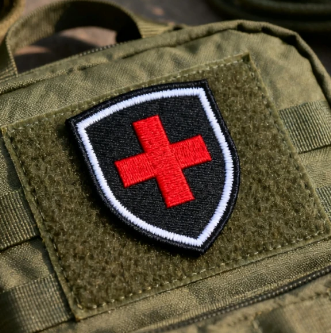
Velcro patches with 3D embossing combine texture with the trusted stickiness of hook and loop fasteners, making them stand out both visually and when touched. These aren't your regular flat embroidered patches though. The special heat pressing technique lifts design features at least 0.3mm off the surface, which creates shadows and gives the patch real substance in someone's hand. This works because manufacturers carefully manage temperatures between around 150 to 180 degrees Celsius while applying just the right amount of pressure during production. The result? Thermoplastic materials get molded permanently without affecting how well the Velcro actually sticks. No wonder we're seeing more brands switch to this option lately for several good reasons:
- Heightened Brand Recognition: Raised features increase visual prominence by up to 70% compared to flat designs, helping logos stand out in high-traffic or competitive environments (Textile Design Journal, 2023).
- Tactile Differentiation: The textured surface engages touch memory—a proven driver of brand recall during hands-on interactions.
- Functional Durability: Embossing enhances substrate cohesion, reducing wear during repeated attachment and detachment cycles.
- Adaptive Customization: Designed for rapid updates, they suit industries like hospitality, security, and event management where branding must stay current without sacrificing reusability.
This fusion of sensory impact and practical utility positions 3D embossed Velcro patches as premium tools for dynamic, long-term branding strategies.
Key Technical Requirements for High-Quality 3D Embossing on Velcro Patches
Achieving sharp, durable 3D embossing demands rigorous technical alignment across materials and process parameters. Without precision at each stage, results suffer from inconsistent depth, fuzzy edges, or compromised Velcro integrity.
Material Compatibility: Base Fabric, Hook/Loop Layer, and Embossable Substrate
Getting materials to work together properly matters a lot in this process. Fabrics made from polyester or nylon don't warp when exposed to heat, which makes them good choices for base materials. Polyester blends tend to hold their shape best during embossing operations. For the hook and loop layers, maintaining consistent density across the surface area is important because it holds those raised design features in place. When there are gaps or thin spots in this layer, we often see problems like poor sticking or parts coming loose too soon after production. The embossable material itself, usually thermoplastic polyurethane or TPU as it's commonly called, needs special engineering to handle deep relief patterns. Manufacturers have learned through experience that using incompatible TPU formulas leads to layers separating from each other or creates weaker hooks after embossing completes.
Critical Process Parameters: Temperature, Pressure, Dwell Time, and Die Design
The quality of embossing really depends on keeping several factors under tight control. When it comes to temperature, staying within about 5 degrees Celsius of what the substrate needs is critical. If it gets too cold, the forming just doesn't happen properly. But crank it up too much and we risk scorching the fabric or losing those fine details altogether. For pressure levels, somewhere between 80 and 120 psi works best. This range lets us get those sharp transfers of detailed patterns without actually tearing through the fibers. The dwell time matters too usually around 8 to 12 seconds gives enough time for materials to fully flow into all those tiny spaces in the die. And let's not forget about die design itself. Steel dies that have at least 0.3 mm draft angles help things release properly from the mold. Meanwhile, surfaces that are laser etched open up possibilities for creating really intricate textures and maintaining consistent depth across the entire embossed area.
Choosing the Right Velcro Backing for Embossed Durability and Functionality
The type of backing used makes a big difference in how long these 3D embossed Velcro patches last and how well they actually work in practice. When the backing doesn't match properly, it tends to squish those raised parts we're so careful about creating, makes them stick less well, or just wears out too fast. That defeats the whole purpose of going through the trouble of embossing them in the first place. People often forget about environmental factors when choosing backings. How often something gets attached and detached matters too. And let's not ignore what surface it's going on either. Convenience and price tags shouldn't be the only things driving decisions here. Take time to think through all these aspects before making a final choice.
Sew-On vs. Heat-Activated vs. Pressure-Sensitive Backings for 3D Velcro Patches
Each backing type carries distinct trade-offs for embossed applications:
- Sew-On: Offers unmatched durability through permanent stitching—ideal for heavy-use contexts like tactical gear or industrial uniforms. Withstands repeated laundering without distorting the embossed profile, though application requires manual labor.
- Heat-Activated: Delivers fast, clean bonding but poses a thermal risk: temperatures above 150°C during application may partially flatten raised elements. Best suited for moderate-use items when paired with perimeter reinforcement stitching.
- Pressure-Sensitive: Provides instant peel-and-stick convenience but limited lifespan—adhesive failure rises by 40% in humid conditions (Textile Lab Report, 2023). Appropriate only for short-term displays, lightweight apparel, or situations where removability outweighs permanence.
For lasting dimensional integrity and functional reliability, sew-on remains the industry benchmark. Heat-activated variants require strict thermal discipline, while pressure-sensitive options serve niche, temporary needs.
From Design to Delivery: A Streamlined Workflow for Custom Velcro Patches
Design Prep: Vector Art, Relief Mapping, and Minimum 0.3mm Emboss Height Guidelines
Getting started on a good 3D embossed patch really starts with thinking through the design first. When sending over artwork, it's best to go with those scalable vector files like EPS or AI formats so edges stay sharp no matter what size they end up being. To create that nice dimensional effect, relief mapping works wonders for showing depth changes across different parts of the design. Think about where you want certain elements like company logos or decorative borders to pop out more prominently. Most industries stick to around 0.3mm as the baseline for emboss height because anything smaller just doesn't look right or feel substantial enough when touched. Keep an eye on intricate details too. Tiny text below 1mm tends to get lost in translation when transferred onto actual materials. We've seen plenty of cases where small lettering either disappears completely or gets squished together during manufacturing.
Production & QA: Die-Cutting, Embossing, Adhesion Testing, and Packaging Best Practices
The manufacturing process for these patches follows a pretty strict sequence. We start by cutting the velcro backings according to specific measurements. Next comes the embossing stage where we apply heat around 140 to 160 degrees Celsius along with pressure to create the desired texture. After this step, all batches go through quality checks. We actually test how well they stick together after being attached and detached over 500 times to make sure those hooks and loops hold up properly. We also check if colors stay vibrant and look at the edges to maintain consistent appearance across products. For shipping, we include stiff inserts inside boxes because compressed packaging can really mess things up. Just a small amount of flattening in those embossed areas might cut down on functionality by about 40%. All these steps combined help guarantee that when customers get their patches, both how they work and how they look meet our expectations.
FAQ
What are 3D embossed Velcro patches?
3D embossed Velcro patches are specialized patches that have raised design features, enhancing their visual appeal and tactile feel. They utilize a heat pressing technique to create depth and are favored for dynamic branding.
How do you ensure the durability of 3D embossed Velcro patches?
The durability of these patches depends on precise technical alignment in materials and process. They require compatible materials like polyester fabrics, proper heat, pressure, and carefully designed dies for lasting impressions.
What are the benefits of using 3D embossed Velcro patches for branding?
These patches offer heightened brand recognition, tactile differentiation, increased durability, and adaptive customization, making them great for industries needing a strong and dynamic brand presence.
What are the main types of Velcro backings for 3D embossed patches?
The main backings include Sew-On, which offers durability; Heat-Activated, which provides quick bonding; and Pressure-Sensitive, offering convenience but with a limited lifespan.