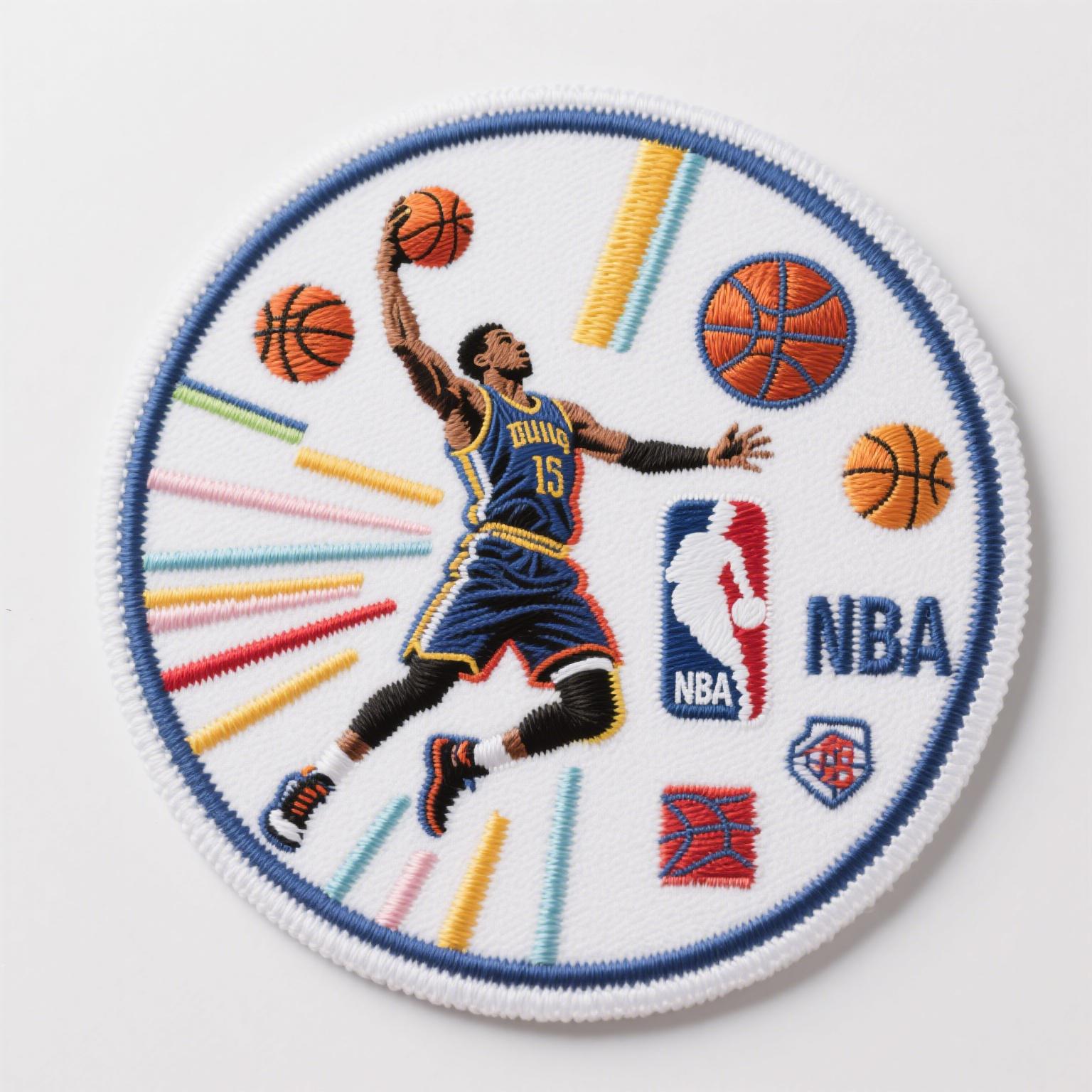

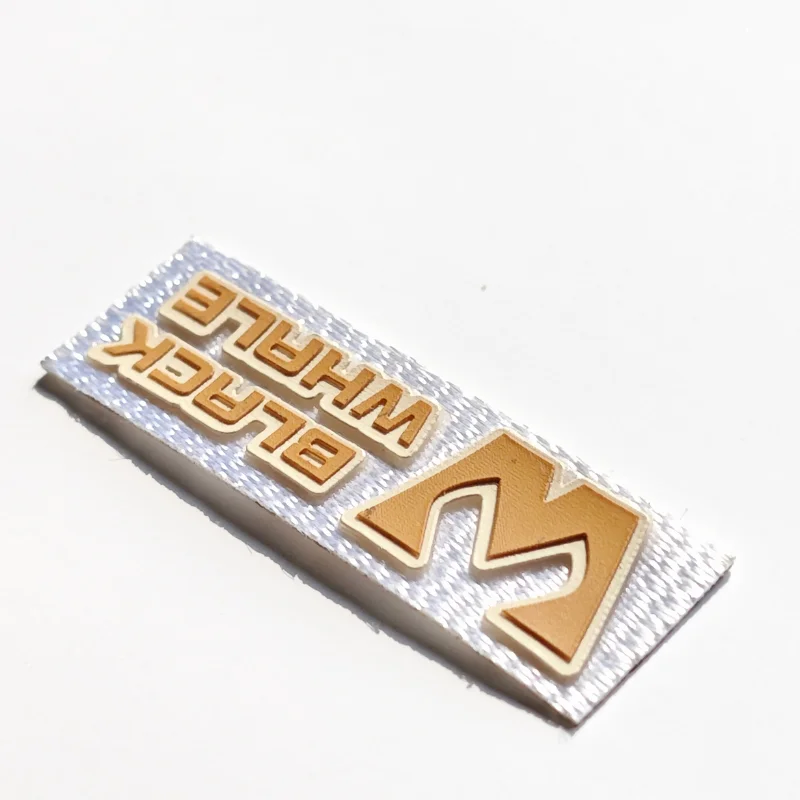
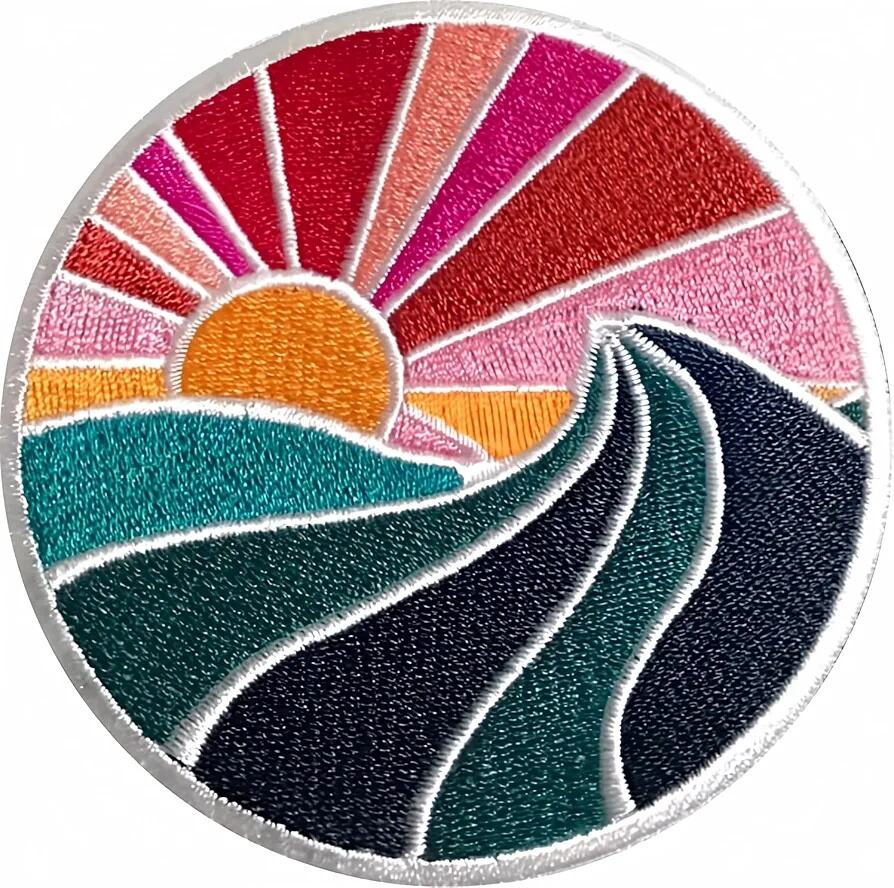
The appeal of embroidered patches lies in their ability to convey a sense of heritage, quality, and authenticity. This perception is backed by a rigorous and technology-driven production process. It begins with file preparation, where vector artwork is preferred because it can be scaled without loss of resolution. This artwork is then imported into embroidery software, where the digitizer maps out the stitching sequence. This includes creating an underlay—a foundation layer of stitches that secures the fabric to the backing and helps to prevent the top stitches from sinking into the material. The main stitching then follows, building up the design with satin and fill stitches as required. The production equipment is a significant factor in quality and efficiency. Modern embroidery machines feature touch-screen interfaces, large-capacity thread cones, and automatic detection of thread breaks. Some are even equipped with vision systems that can read barcodes on the embroidery frame to automatically load the correct design and production parameters, reducing setup time and human error. After embroidery, the patches are separated from the excess backing material. For patches with a merrow border, they are transferred to a separate machine that stitches the overlock edge around the perimeter. The heat-seal adhesive is then applied using a screen-printing process or a hot melt film, which is activated by a heat press during application to the final garment. The performance of an embroidered patch is quantified through standardized tests. Wash fastness tests determine the patch's resistance to color bleeding and fading after repeated laundering. Abrasion tests measure its ability to withstand rubbing and friction. Peel strength tests evaluate the bond strength of the adhesive. These tests provide objective data that allows clients to select the right patch construction for their intended use. For clients with specific performance requirements or those needing patches for unconventional applications, engaging in a collaborative development process with the manufacturer is highly beneficial. To start this process and to receive expert input on your embroidered patch project, including design optimization and material selection, we encourage you to reach out to our product development team for a collaborative consultation.